Apr 10, 2026
•7 minutes read
•Author: MINDBODYFACE
Why does your face look puffy even if you drink enough water

Healthy lifestyle is all the rage these days, and people drink plenty of water, yet they still wake up with a puffy face in the morning, despite staying hydrated and eating right. The issue isn’t the amount of fluid you consume, but rather how it’s distributed and eliminated from the body.
Impaired lymphatic drainage is the most common cause of swelling. Lymphatic congestion occurs due to muscle spasms caused by chronic stress, a sedentary lifestyle, or improper facial massage techniques. Constant tension in the chewing muscles compresses blood vessels, disrupting lymphatic drainage and trapping water in the face. This leads to dense swelling and “bags” under the eyes.
The causes of swelling can be quite subtle. They may be triggered by a deficiency in magnesium and sodium, hormonal fluctuations, sleep disturbances, or food intolerances. The proper approach to addressing this issue lies in restoring fluid drainage through natural facial rejuvenation methods.
Common causes of facial swelling
The true cause of facial swelling lies in a disruption of the system responsible for tissue balance and integrity. Swelling is not a cosmetic issue, but an SOS signal from the body that needs to be addressed by understanding the primary causes of swelling:
- Venous and myofascial stasis
Chronic spasms of the facial muscles compress blood vessels, disrupt blood flow, and lead to dizziness and severe swelling.
- Inflammation
Swelling is an immune response to skin irritation caused by sinusitis, dental issues, dermatitis, or food intolerance.
- Lymphatic congestion in the face
Lymphatic flow depends on muscle activity, so their insufficient activity leads to fluid stagnation and swelling. This manifests as “bags” under the eyes, puffy cheeks, and chin asymmetry.
- Hormonal imbalance
During the menstrual cycle, in perimenopause, or with thyroid dysfunction, water is retained in the body. Other causes may include a high-salt diet, lack of sleep, and sodium and magnesium deficiencies.

It is quite difficult to avoid facial swelling without improving drainage. Fluid accumulates, but tense tissues block its exit. Therefore, there is no need to limit water intake; it is necessary to take care of its evacuation.
Lymphatic Stagnation and Puffiness Under the Eyes
Problems with the lymphatic system are the main cause of puffiness under the eyes. The lymphatic system’s job is to collect intercellular fluid containing metabolic waste and return it to the bloodstream, which is why it is the first to react to metabolic imbalances in the tissues. When lymphatic drainage is impaired, fluid stagnates in the face, manifesting as swelling under the eyes, in the cheekbone area, and under the chin.
Causes of lymphatic congestion:
- Chronic spasms of the chewing and neck muscles due to stress and poor posture.
- A connection to the cause of abdominal bloating due to constipation, irritable bowel syndrome, or pelvic issues. The lymphatic system is interconnected, so congestion in the lower body affects the condition of the face.
- Lack of exercise, excess carbohydrates, inflammation, and facial swelling are also interconnected. Toxins drastically increase the load on the lymphatic system, leading to fluid stagnation.

Swelling accelerates aging, worsens complexion, and disrupts tissue nutrition and oxygen supply. The solution lies in restoring drainage by working with all structures of the body and face to remove obstacles to fluid evacuation.
Hormonal and Dietary Factors
The causes of swelling often lie not in harsh cosmetics, but in blood biochemistry. Many underestimate the link between hormones and facial swelling, yet in women it can occur every month after ovulation and during perimenopause. When estrogen begins to dominate over progesterone, sodium is retained in the kidneys, causing water retention in the body.
Swelling can be prevented by learning to manage stress – getting quality sleep and maintaining a balanced diet. This highlights the need to lower cortisol levels, which retain sodium and water, affect lymphatic function, and increase vascular permeability. In this case, breathing techniques to relieve tension in the diaphragm and massage of the tissues in the neck and head areas can help.
Diet and facial fluid retention are a matter of daily food choices:
- High sodium intake, which is found not only in salt but also in sauces, sausages, canned foods, restaurant meals, and bread. It’s worth shifting the focus of your diet toward potassium, which is found in spinach, white beans, bananas, and sweet potatoes.
- Alcohol consumption dehydrates the body, triggering an emergency water retention response. Therefore, it’s important to drink plenty of water with such beverages and try to limit how often you consume them.
- Hidden inflammation due to food intolerance: reactions to gluten, dairy products, eggs, or nuts can increase capillary permeability, causing fluid to leak into the tissues. In such cases, it’s important to monitor the effects of the foods you consume or consult a specialist.
This is not about hard restrictions. It is necessary to identify the root cause of the swelling and understand how your body works in order to properly balance your hormonal levels and maintain beauty from within.
Inflammation and Its Impact on Facial Appearance
Inflammation is a protective reaction to external and internal irritants. But when it becomes chronic, it begins to break down collagen and elastin, leading to sagging tissues and persistent swelling. This is often accompanied by muscle pain, redness, fever, and tissue spasms.
Levels of inflammatory facial swelling:
- Allergies and skin conditions instantly increase vascular permeability and manifest as swelling on the lips, cheeks, and eyelids. Dermatitis or acne lead to tissue thickening, collagen breakdown, and, as a result, premature wrinkles.
- Swelling associated with inflammation in the ENT organs, as such conditions are sources of infection. This leads to sluggish lymphatic stagnation and puffiness of the tissues. Spasms in the temporomandibular joint due to malocclusion or stress contribute to asymmetry and cause swelling of the cheeks.
- Poor diet—excess trans fats, sugar, and disruption of the gut microbiome – manifests as a dull complexion, pigmentation, wrinkles, and a puffy face in the morning.
Practical tips for reducing swelling
Temporary relief of swelling will not solve underlying internal or external issues. It is essential to develop daily habits that address the root causes rather than the symptoms. The following tips for reducing swelling will help you tackle the problem comprehensively:
- Work on your posture and sleeping position to ensure proper fluid drainage. Sleep on an orthopedic pillow to keep your neck in the correct position; during the day, pay attention to your body posture and do posture exercises to promote facial lymphatic drainage.
- Lymphatic drainage massage: Start with smoothing strokes on the neck, moving from the base of the skull toward the collarbones. Next, use light pressure to work from the center of the forehead toward the temples, from the nose toward the corners of the eyes, and from the chin toward the ears. You can finish the session with a roller or a gua sha scraper.
- Relieving myofascial tension through exercises for the masticatory muscles. Use the tip of your tongue to gently press against the roof of your mouth to relax one of the most tense muscles, which blocks fluid drainage.

It is important to understand that facial swelling after sleep often indicates deep structural issues and is accompanied by headaches and asymmetry. In such cases, a comprehensive approach and consultation with a specialist are necessary. You can address the root causes of swelling on your own by understanding physiology, facial anatomy, and your body’s individual characteristics, as the problem may lie in the skull bones, fascial structures, or malfunctioning internal organs.
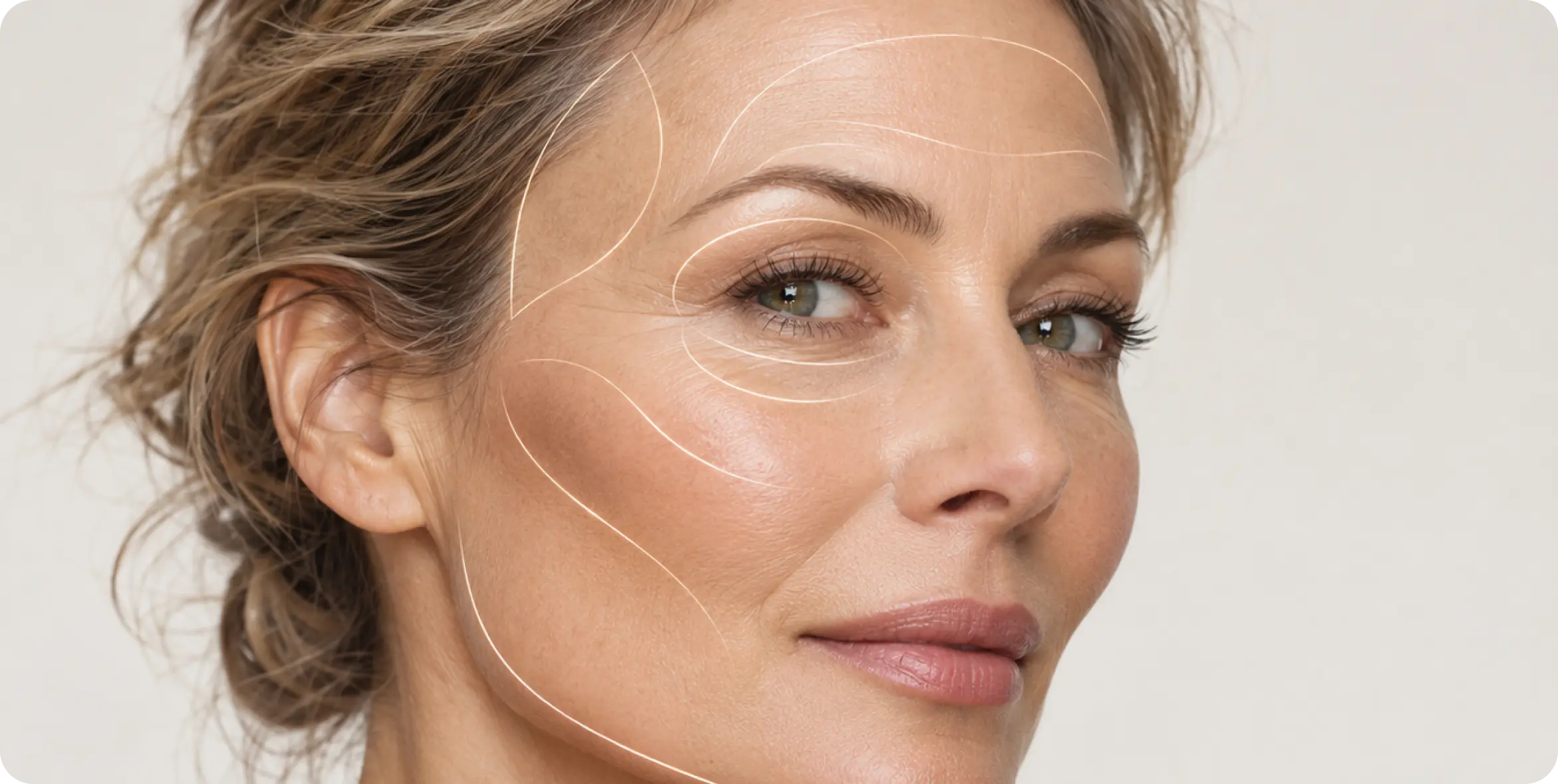
HOLLOW TEMPLES: WHY TEMPLES LOSE VOLUME AND HOW FACIAL AGING CHANGES THIS AREA
Hollow temples are the indentations that can appear at the sides of the forehead, between the outer eyebrow, hairline, and upper cheekbone. Temple hollowing can make the upper face look narrower, more angular, or more tired—even when your skin is smooth and your cheeks still have volume. This area is easy to overlook. People often […]
Author:MINDBODYFACE
 4
4 0
0
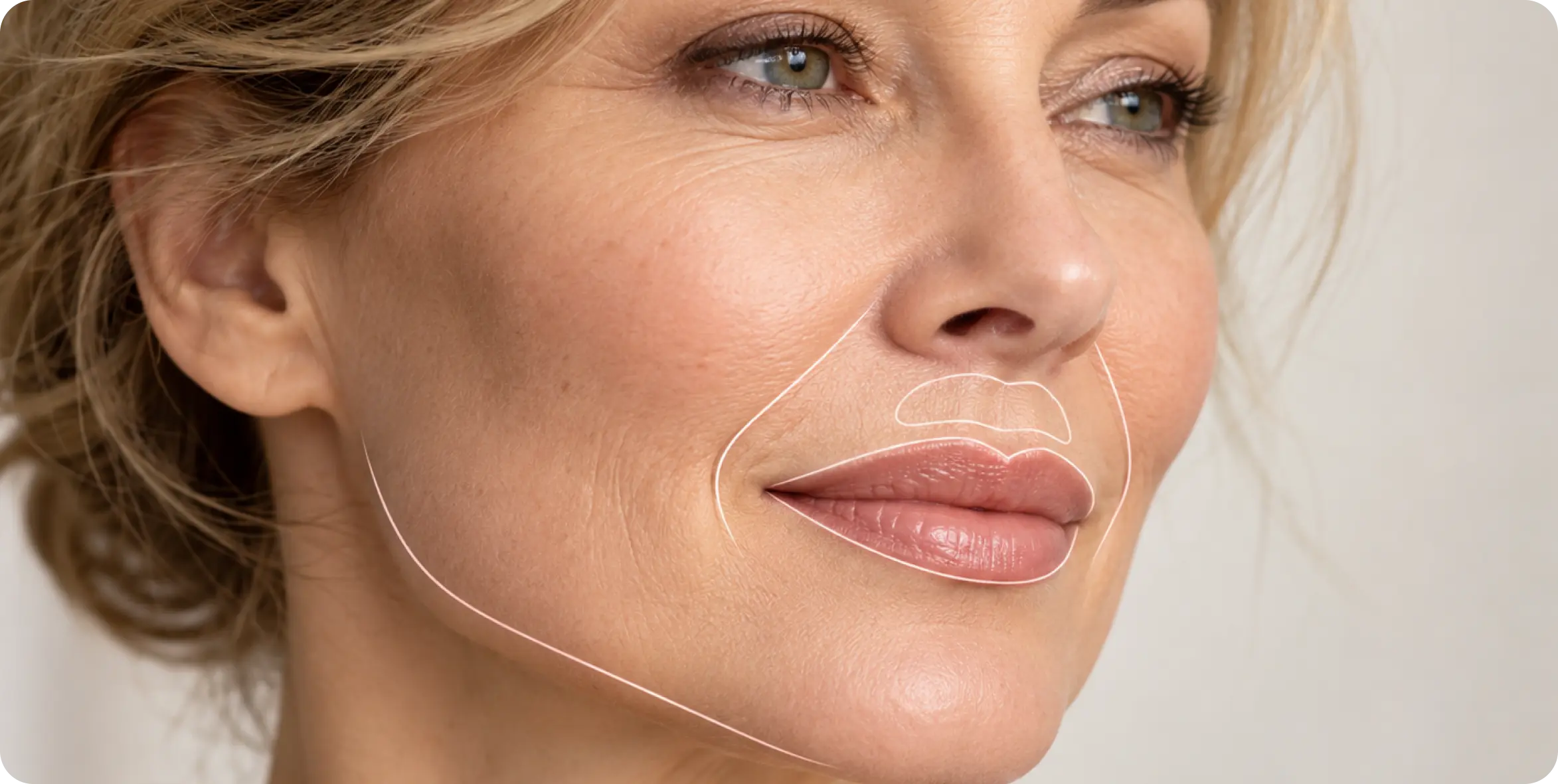
LIP LINES AND SMOKER’S LINES: CAUSES AND NATURAL WAYS TO SOFTEN THEM
Lip lines are the fine vertical creases that appear on and above the upper lip. They are often called smoker’s lines, but smoking is only one possible cause. Sun exposure, natural skin aging, repeated mouth movements, dryness, genetics, and changes in the tissues around the mouth can all make vertical lip lines more visible. These […]
Author:MINDBODYFACE
40
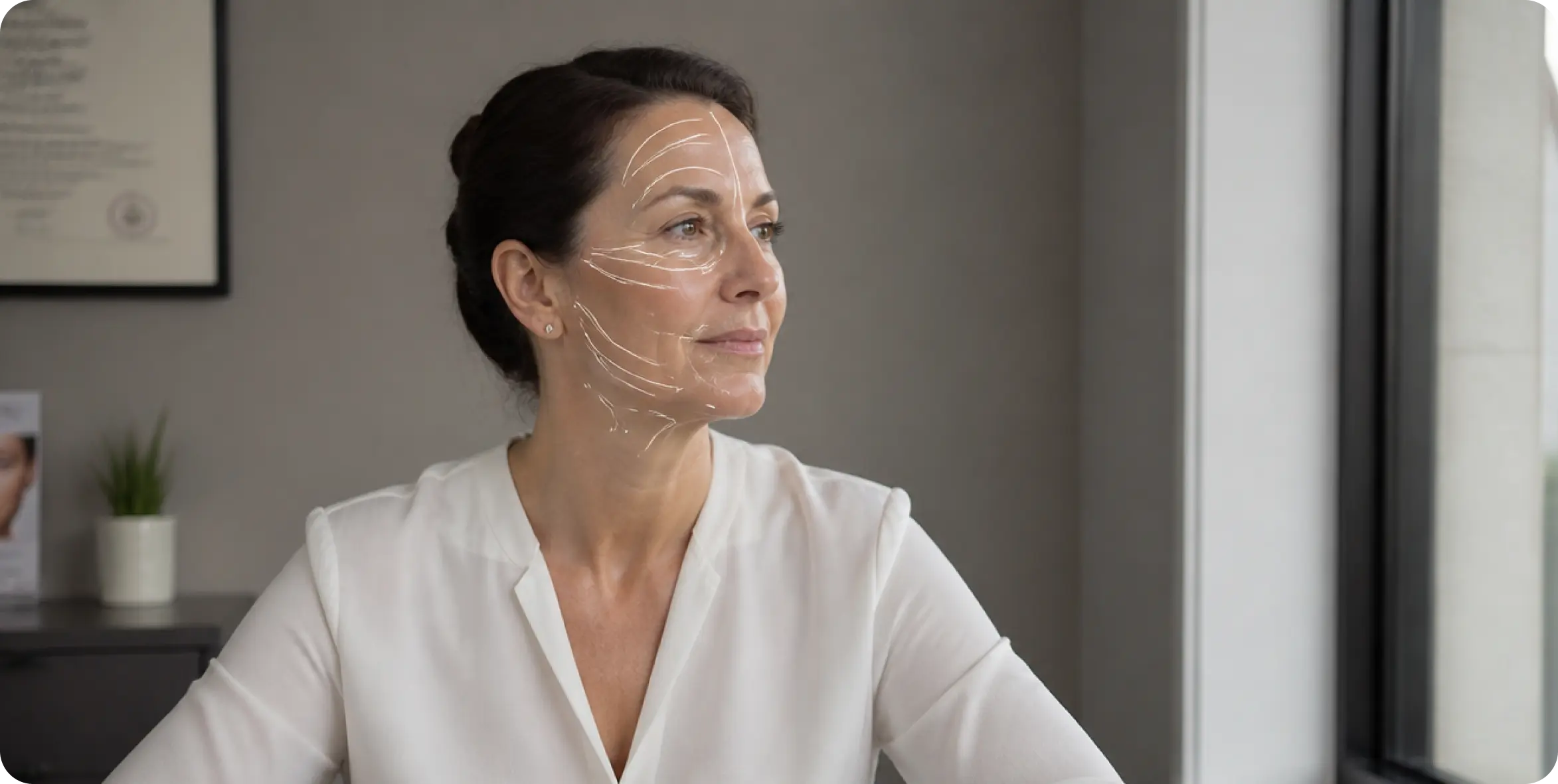
FACIAL REJUVENATION AFTER 45: PROCEDURES THAT MAY NOT BE WORTH IT
Facial rejuvenation after 45 works best when the treatment matches the actual change you want to address. The useful question is not which option is “best,” but whether a procedure can deliver enough benefit to justify its cost, recovery, maintenance, and possible complications. Many facial rejuvenation procedures after 45 are marketed as universal solutions. Yet […]
Author:MINDBODYFACE
140

ENHANCING THE NATURAL BEAUTY OF THE LIPS WITHOUT AUGMENTATION
Natural lip enhancement will not give you a new mouth. It can help your existing lips look smoother, healthier, more defined, and less compressed – without fillers, injections, or harsh “plumping” tricks. The visible difference usually comes from simple things: a stronger lip barrier, daily UV protection, less dryness, a relaxed jaw, and skin around […]
Author:MINDBODYFACE
120


MINDBODYFACE LLC
1021 E Lincolnway Suite 8342, Cheyenne, WY 82001
+16282892382
All services and information on this website are for educational purposes only and do not constitute medical advice or treatment -