May 20, 2026
•7 minutes read
•Author: MINDBODYFACE
PYKNIC BODY TYPE IN WOMEN: WHAT IT IS AND HOW IT MANIFESTS

You’ve probably heard you have “a curvy build.” Maybe a doctor mentioned you store weight differently. Maybe you’ve been told to just “eat less and move more” — and watched it not work the way it does for your friends. There’s a name for this. The pyknic body type — what modern science calls the endomorph — describes a specific way the female body is built. Rounder, softer, denser. It’s not a flaw. It’s a constitution.
And once you know what you’re working with, things stop feeling so personal.
Understanding the pyknic body type in women
The term “pyknic” was introduced by German psychiatrist Ernst Kretschmer in 1921. He divided human builds into three constitutions: the tall, thin asthenic type, the more muscular athletic type, and the rotund pyknic type. The female pyknic body type he described had a specific shape: rounded figure, middle height, a soft broad face on a short massive neck, sitting between the shoulders, with fat that is more strongly concentrated over the hips and chest.
A century later, most of Kretschmer’s personality claims have been retired by science. A 2018 study published in Psychological Medicine used genome-wide genetic analysis to re-examine Kretschmer’s classical body-type hypothesesand found his framework was, frankly, too simple. But the physical descriptions held up — and they map almost perfectly onto what William Sheldon later called the endomorph.
So when people today talk about a pyknic constitution in women, they usually mean the endomorphic somatotype: a body that stores fat readily, builds muscle willingly, and runs on a slower metabolic engine.

Physical traits and appearance of pyknic women
Here’s what the pyknic physique actually looks like in practice:
- A rounder, softer silhouette with a wider torso
- Shoulders that are not particularly broad
- A shorter neck and fuller face
- Fat distributed mainly across hips, chest, and lower abdomen
- Limbs that look smoother than muscular at rest
- A frame that gains weight easily and loses it slowly
According to research on body composition, a larger bone structure and a rounder body shape, a tendency to store fat easily, particularly in the midsection, hips, and thighs, and shorter limbs relative to their torso are the defining markers.
This isn’t a “before” picture waiting for an “after.” It’s a real body type that exists in millions of women — and one that interestingly, becomes more common with age. A 2026 study tracking 344 adults found that women were more likely to have an endomorphic somatotype, and that somatotype components correlated significantly with age, with a greater proportion of endomorphy and mesomorphy in older age groups.
In other words: many women drift toward this build naturally. It’s not a personal failure. It’s biology meeting time.
Differences between pyknic and other body types
Three classic body types. Three different operating systems.
Pyknic (endomorph): Round, soft, denser. Stores fat easily. Slower metabolism. Builds muscle without much effort once trained.
Athletic (mesomorph): Muscular, defined, naturally lean. Responds quickly to training. Loses and gains weight predictably.
Asthenic (ectomorph): Tall, slender, narrow. A high metabolism, which means that they tend to be able to eat more and gain little weight. Smaller frame, harder time building muscle.

Most women aren’t pure types — they’re blends. You might have a pyknic torso with athletic legs. Or asthenic shoulders over a pyknic lower body. Body type classification in women is a starting point, not a verdict.
Metabolic features and health considerations
This is where things get real. The slower metabolism that comes with pyknic metabolism features isn’t a myth. Endomorphs have softer bodies with curves. They have a wide waist and hips and large bones, and their bodies tend to gain weight easily.
Research has also shown that in analyzing the fitness of somatotype to predict metabolic risk, endomorph and mesomorph types were shown as better markers for metabolic abnormalities. Translation: women with pyknic bodies need to pay closer attention to one specific thing — not weight on a scale, but where fat sits.
The fat that wraps around organs (visceral fat) is the one that matters for your health. The softer, peripheral kind on hips and thighs? Much less risky. Women generally have a higher proportion of subcutaneous fat, while men tend to accumulate more visceral fat — which is partly why pyknic women often live healthy lives at weights that would worry doctors in men.
What the body actually responds to:
- Strength training (builds muscle that revs metabolism even at rest)
- Walking — daily, unglamorous, non-negotiable
- Protein at every meal (keeps you full, protects muscle)
- Sleep, because cortisol parks fat exactly where you don’t want it
- Stress management, for the same reason
Notice what’s not on this list. There’s no extreme cardio. No starvation. No “shred in 30 days.” Pyknic bodies don’t punish well — they cooperate with patience.
Advantages and strengths of the pyknic type
Here’s the part most articles skip.
The pyknic physique in women has real biological advantages. The same body that stores fat easily also holds muscle beautifully. The same softness that fashion sometimes punishes is what gives this build its enduring shape — the curves, the depth, the warmth of presence in a room. Pyknic women often have natural endurance, dense bones, and a stamina for physical work that thinner builds simply don’t possess.
There’s also this. The pyknic build has been linked across cultures and centuries to fertility, vitality, and what painters used to call “a complete woman.” Not a trend. A baseline. The “slim-thick” ideal of recent years is, in a way, just a return to what the pyknic body has always been — minus the unrealistic waist measurement that no actual body comes with.
And then there’s something less talked about. Body image research consistently finds that women carry a quiet, daily weight of comparison. A 2014 review found that 11–72% of adult women report body dissatisfaction. Body shame, the deeper version of dissatisfaction, is associated with anxiety, depression, and disordered eating. The way out is not a smaller body. It’s a kinder relationship with the one you have.
Research on body compassion shows real protective effects: in a study among a sample of Portuguese community women, body compassion moderated the effect of general shame on body-related shame and disordered eating, lessening the impact of shame impact on both outcomes.
So yes — work with your body. Strengthen it. Move it. Care for its skin and posture and breath. But the foundation of that work is not contempt. It’s something closer to recognition.
Working with a pyknic body, not against it
If you’re reading this and quietly nodding — yes, that’s me, the soft middle, the slower metabolism, the struggle that nobody else seems to have — then you already know the hard part. Living in a pyknic body in a culture obsessed with leanness takes a particular kind of resilience.
The goal isn’t to become a different type. You can’t. You’re not broken — you’re built this way.
What you can do is help your body feel like home again. Less puffiness. More energy. A waist that comes back. Shoulders that drop where they belong. A lower belly that softens after years of being clenched.
This is exactly the territory of Women’s Body Secrets — a 20-day program built specifically for the female body: hormones, pelvic floor, posture, lymph, energy, breasts. Not a weight-loss plan. A way to come back into yourself. If your body has felt like a place you were trying to fix or hide from, this is a different starting point. You can explore the program here.

Whatever build you have, you deserve to live in a body that feels like yours. Pyknic women especially — because for too long, you’ve been told to apologize for taking up the space you were born to take.
FACIAL REJUVENATION AFTER 45: PROCEDURES THAT MAY NOT BE WORTH IT
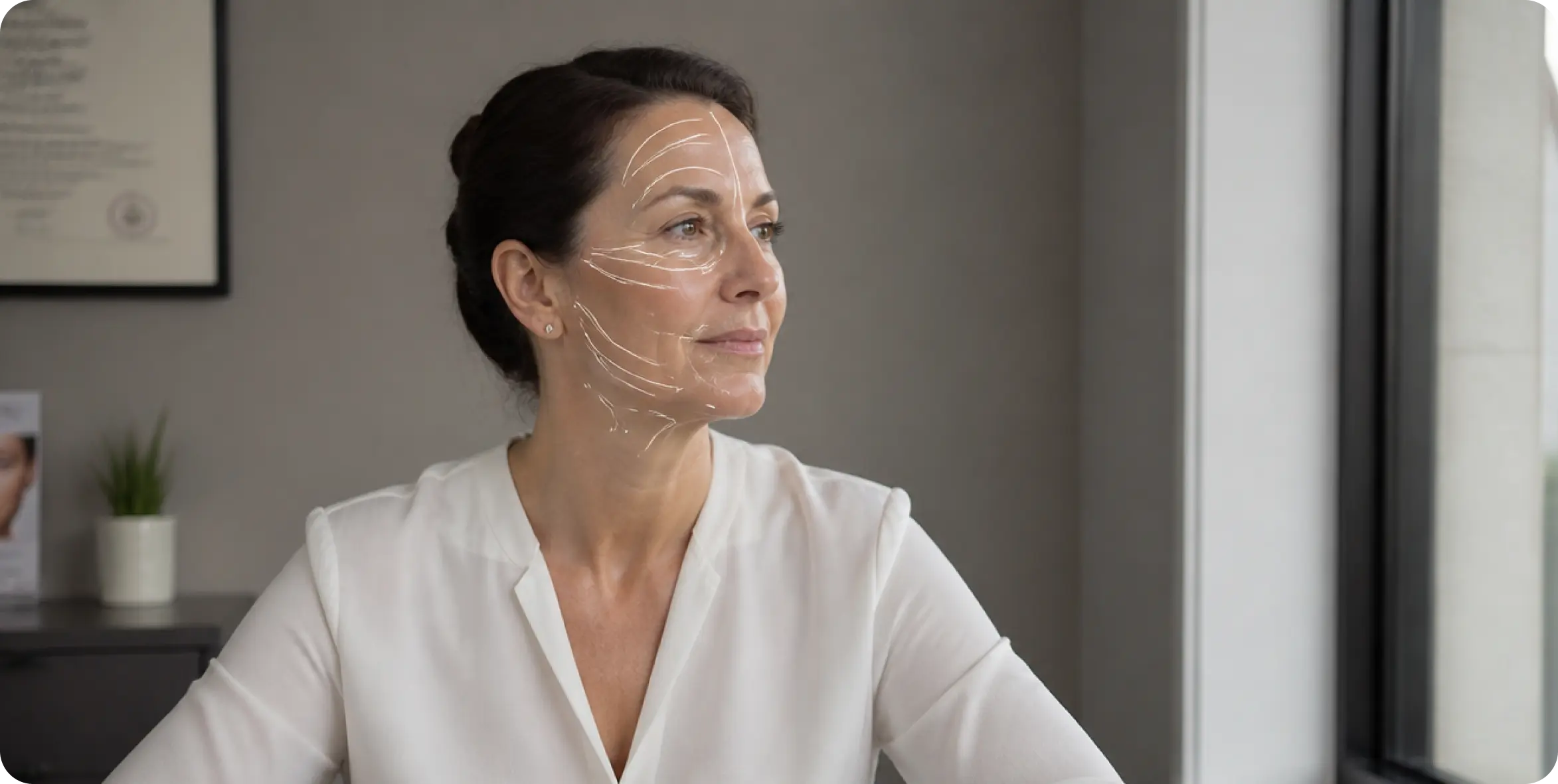
Facial rejuvenation after 45 works best when the treatment matches the actual change you want to address. The useful question is not which option is “best,” but whether a procedure can deliver enough benefit to justify its cost, recovery, maintenance, and possible complications. Many facial rejuvenation procedures after 45 are marketed as universal solutions. Yet […]
Author:MINDBODYFACE
 6
6 0
0
ENHANCING THE NATURAL BEAUTY OF THE LIPS WITHOUT AUGMENTATION
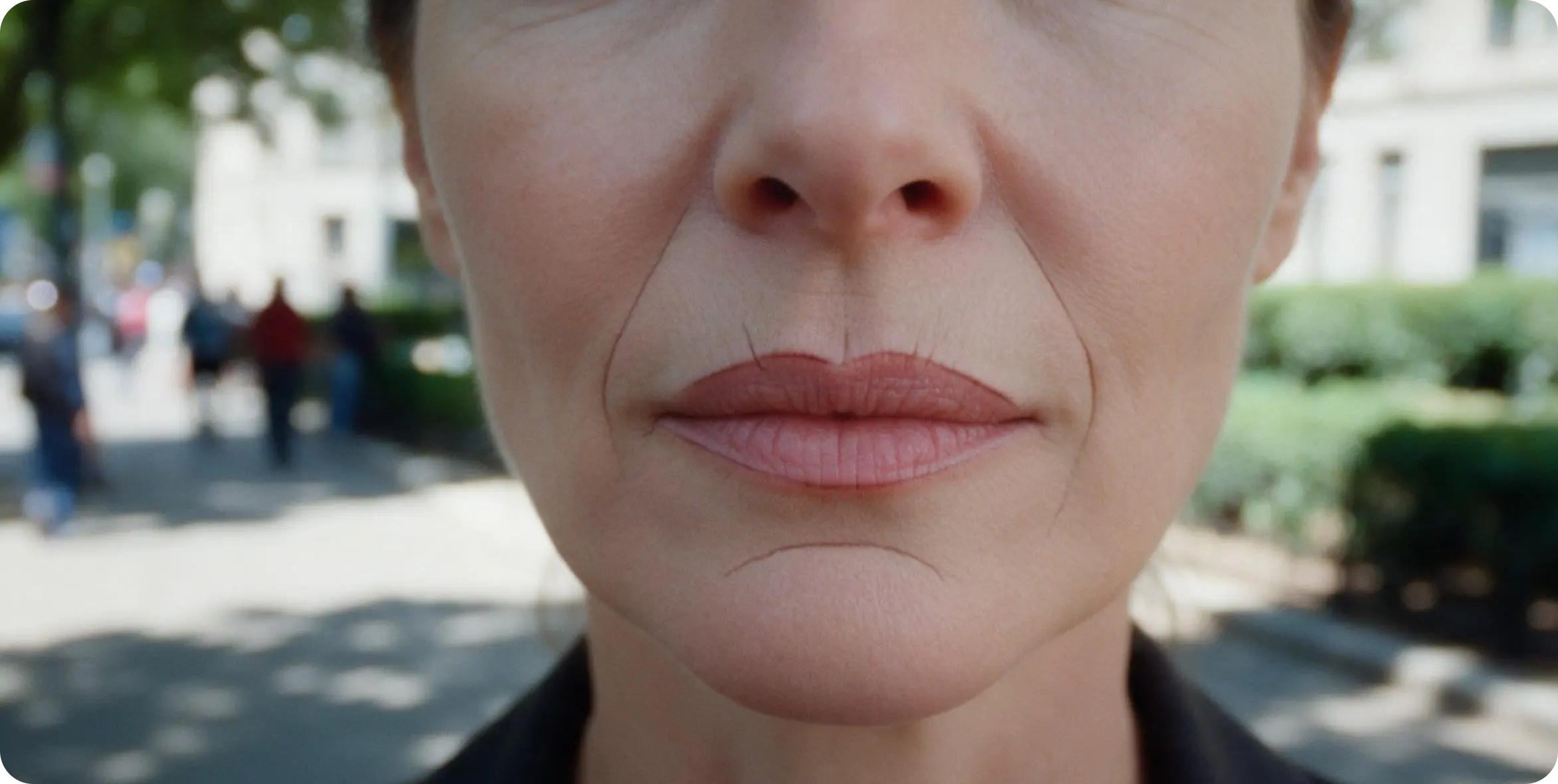
Natural lip enhancement will not give you a new mouth. It can help your existing lips look smoother, healthier, more defined, and less compressed – without fillers, injections, or harsh “plumping” tricks. The visible difference usually comes from simple things: a stronger lip barrier, daily UV protection, less dryness, a relaxed jaw, and skin around […]
Author:MINDBODYFACE
80
FACIAL FAT GRAFTING: ARE THE POTENTIAL RISKS TOO HIGH?
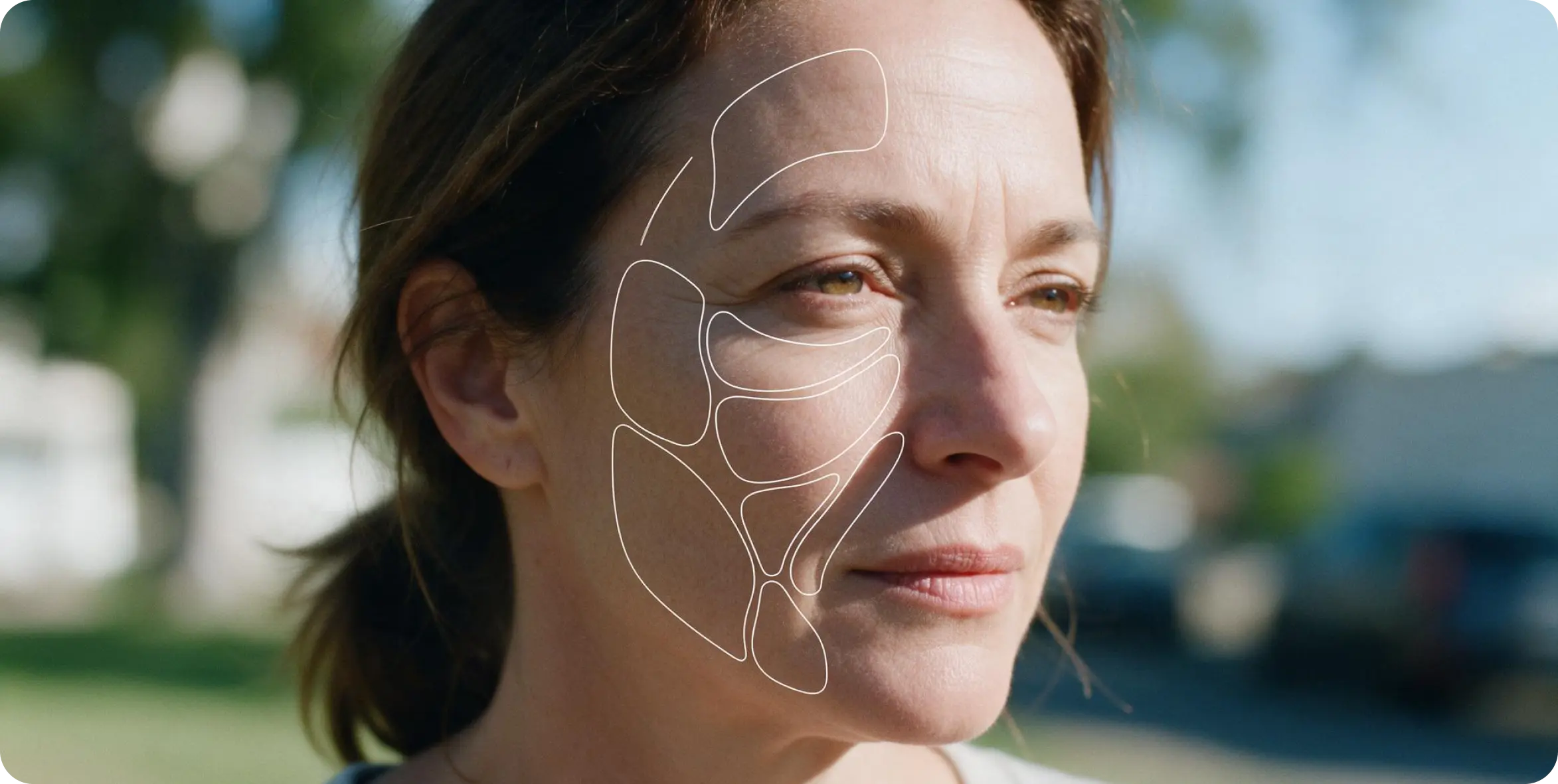
Facial fat grafting risks are not automatically “too high,” but this is a surgical procedure with an unpredictable aesthetic outcome and a small risk of severe complications. For the right patient, treated conservatively by an experienced surgeon, facial fat transfer can restore volume in hollow areas. For someone seeking a perfectly controllable result, a dramatic […]
Author:MINDBODYFACE
120

PLATYSMAL BANDS: WHY VERTICAL NECK BANDS APPEAR AND WHAT YOU CAN DO NATURALLY
Platysmal bands are the vertical cords that may appear across the front or sides of the neck when you speak, grimace, turn your head, lift your chin, or tighten your lower face. These neck bands can become obvious in photographs first: your face still looks familiar, while the neck suddenly appears more strained, heavier, or […]
Author:MINDBODYFACE
210


MINDBODYFACE LLC
1021 E Lincolnway Suite 8342, Cheyenne, WY 82001
+16282892382
All services and information on this website are for educational purposes only and do not constitute medical advice or treatment -