
Blog
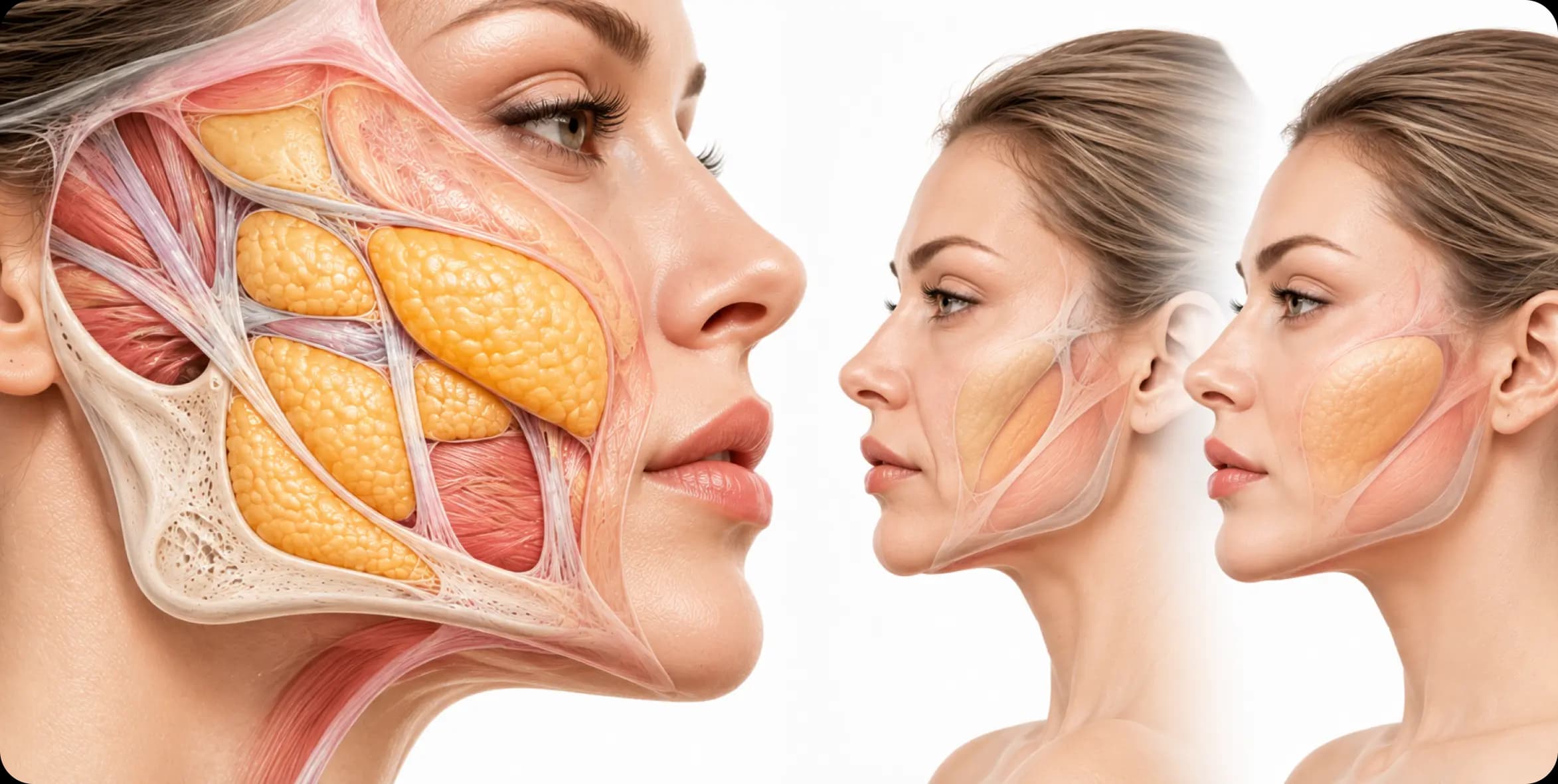
SAGGING CHEEKS AND MIDFACE DESCENT: WHY THE MIDFACE DROPS AND WHAT CAN HELP NATURALLY
Sagging cheeks usually reflect several changes happening together: skin becomes less elastic, facial fat changes in volume and position, and the tissues supporting the cheeks become less effective. The result may be flatter upper cheeks, deeper folds beside the nose, or more fullness lower down. Midface sagging does not mean your facial muscles have become […]
Author:MINDBODYFACE
 1
 0
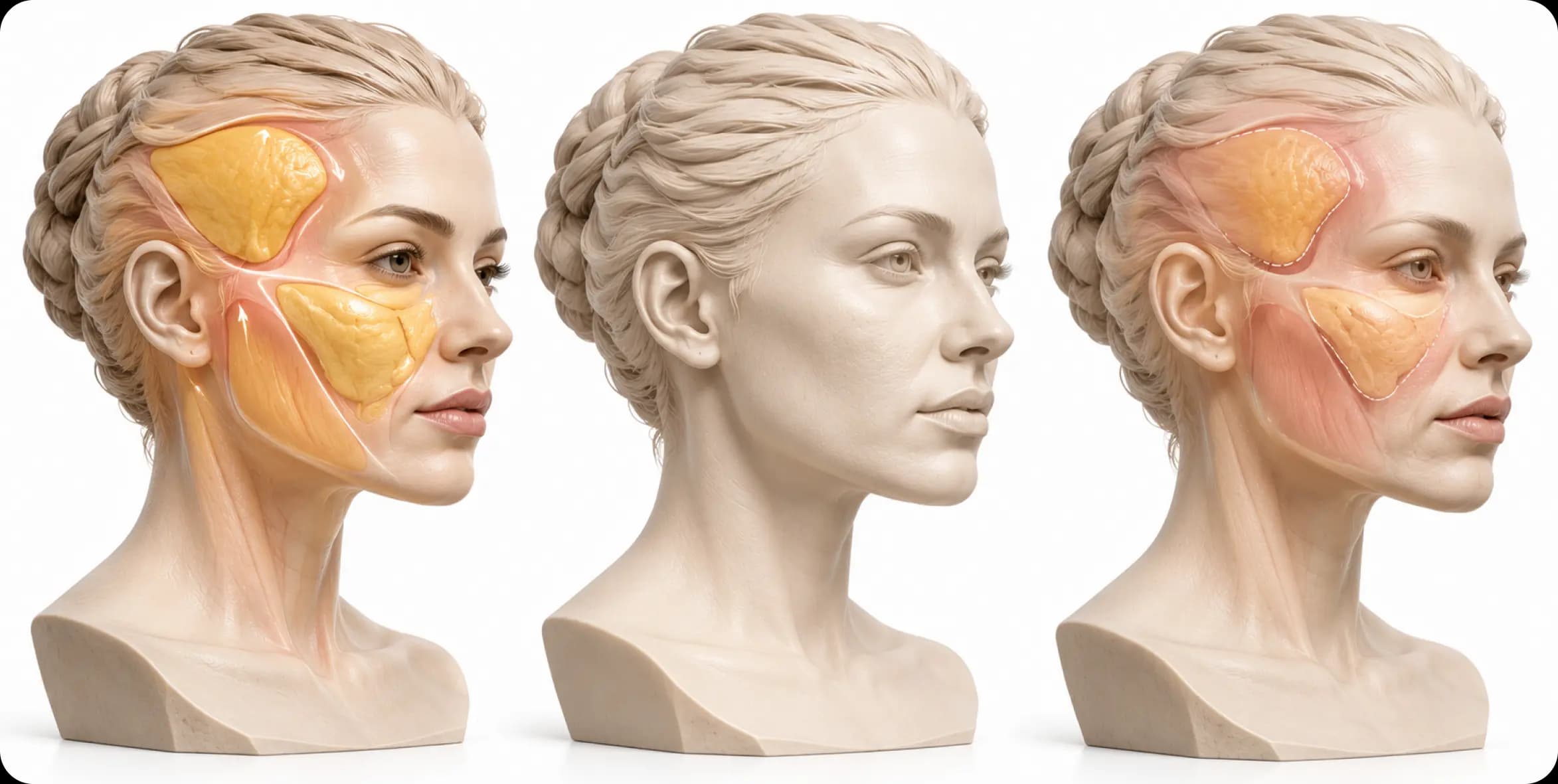
FACIAL VOLUME LOSS AFTER WEIGHT LOSS: WHY THE FACE CAN LOOK OLDER AND HOW TO SUPPORT IT NATURALLY
Face volume loss after weight loss can make the cheeks, temples, and eye area look less full. For some people, the change feels welcome: facial contours become clearer, and puffiness decreases. For others, deeper shadows, more visible folds, or loose skin create an unexpectedly tired appearance. If your face looks older after weight loss, it […]
Author:MINDBODYFACE
20
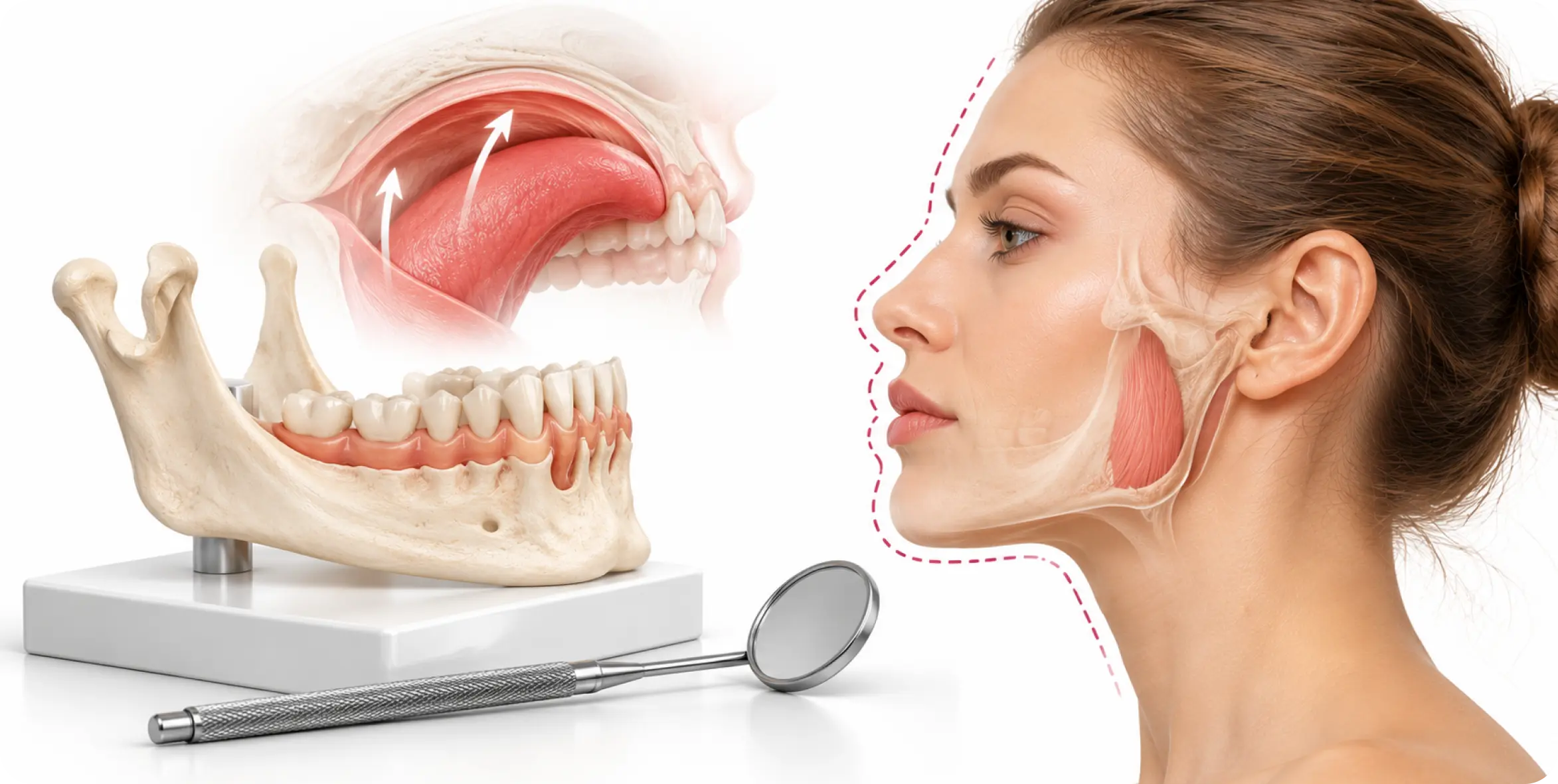
MEWING: DOES IT ACTUALLY WORK? WHAT TONGUE POSTURE CAN AND CANNOT CHANGE
Does mewing work? There is no convincing clinical evidence that it permanently reshapes the jawline, corrects facial asymmetry, or changes adult facial bones. Resting your tongue comfortably is different from pressing it forcefully against the palate in an attempt to sculpt your face. What is mewing, then? It is an online trend built around tongue […]
Author:MINDBODYFACE
150
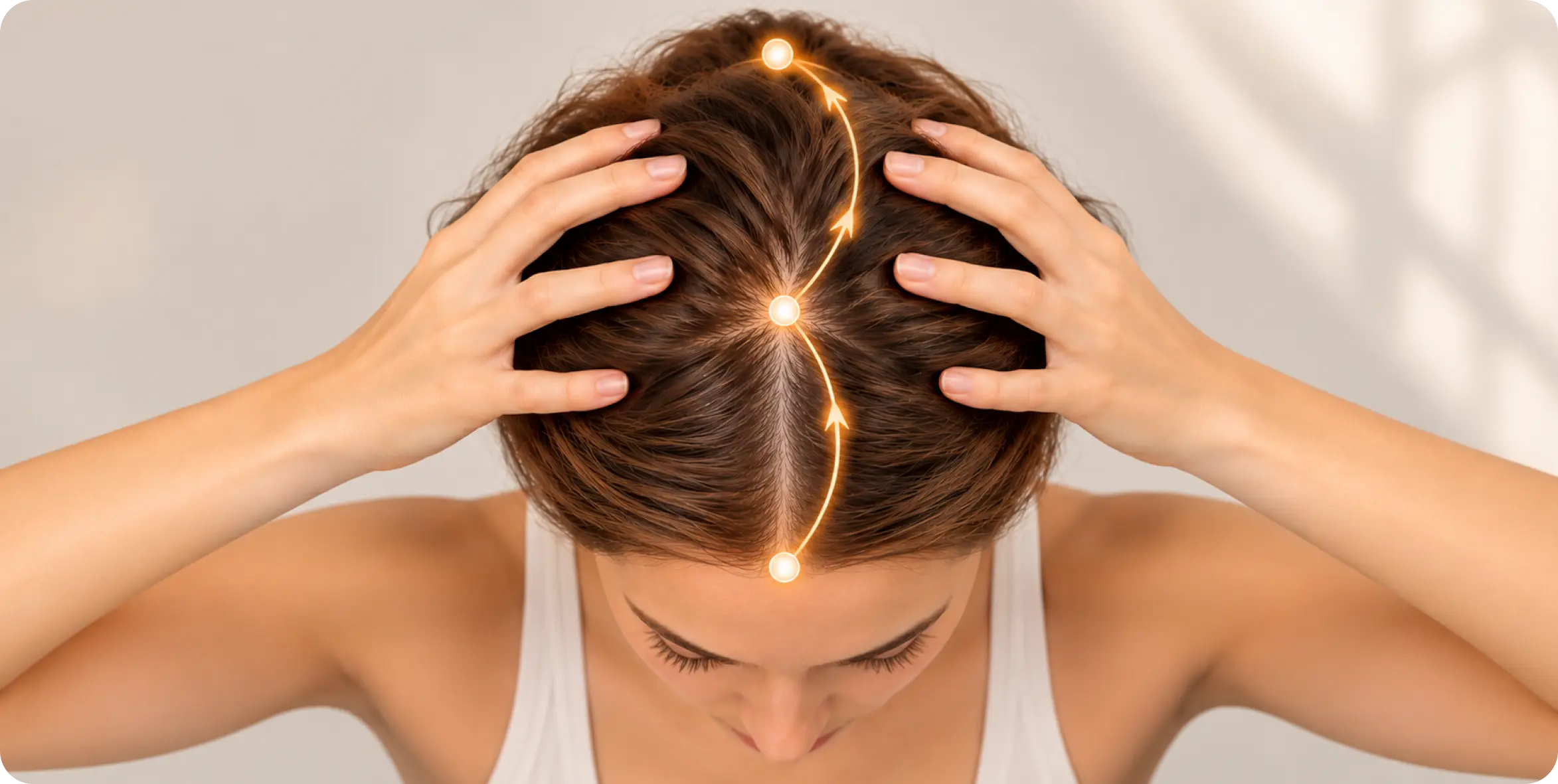
SCALP TENSION AND FACIAL AGING: CAN A TIGHT SCALP AFFECT THE FOREHEAD AND UPPER FACE?
Scalp tension can make the forehead, temples, and upper face feel tight or tired. The scalp and forehead share anatomical connections, so it makes sense to consider them together. But a tight-feeling scalp is not a proven cause of facial aging, and releasing it cannot be promised to lift the brows or erase wrinkles. Can […]
Author:MINDBODYFACE
280
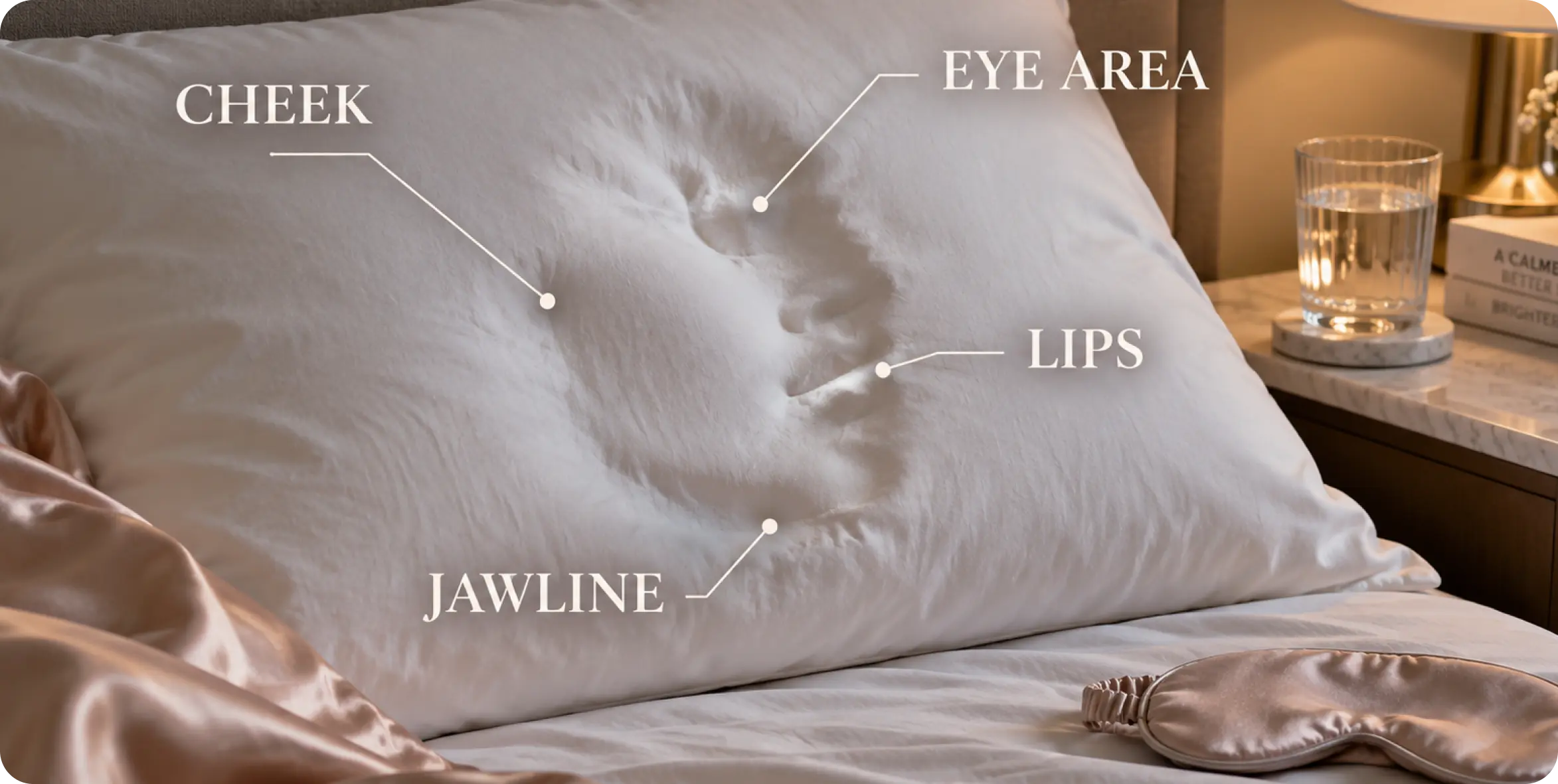
CAN SLEEPING ON ONE SIDE CHANGE YOUR FACE? SLEEP LINES, ASYMMETRY, AND FACIAL COMPRESSION
Can sleeping on one side change your face? It can temporarily change how your face looks in the morning. One cheek may seem puffier, one eye more swollen, and one side may show deeper pillow marks. Over many years, repeated pressure may contribute to sleep lines in aging skin, but side sleeping alone does not […]
Author:MINDBODYFACE
500
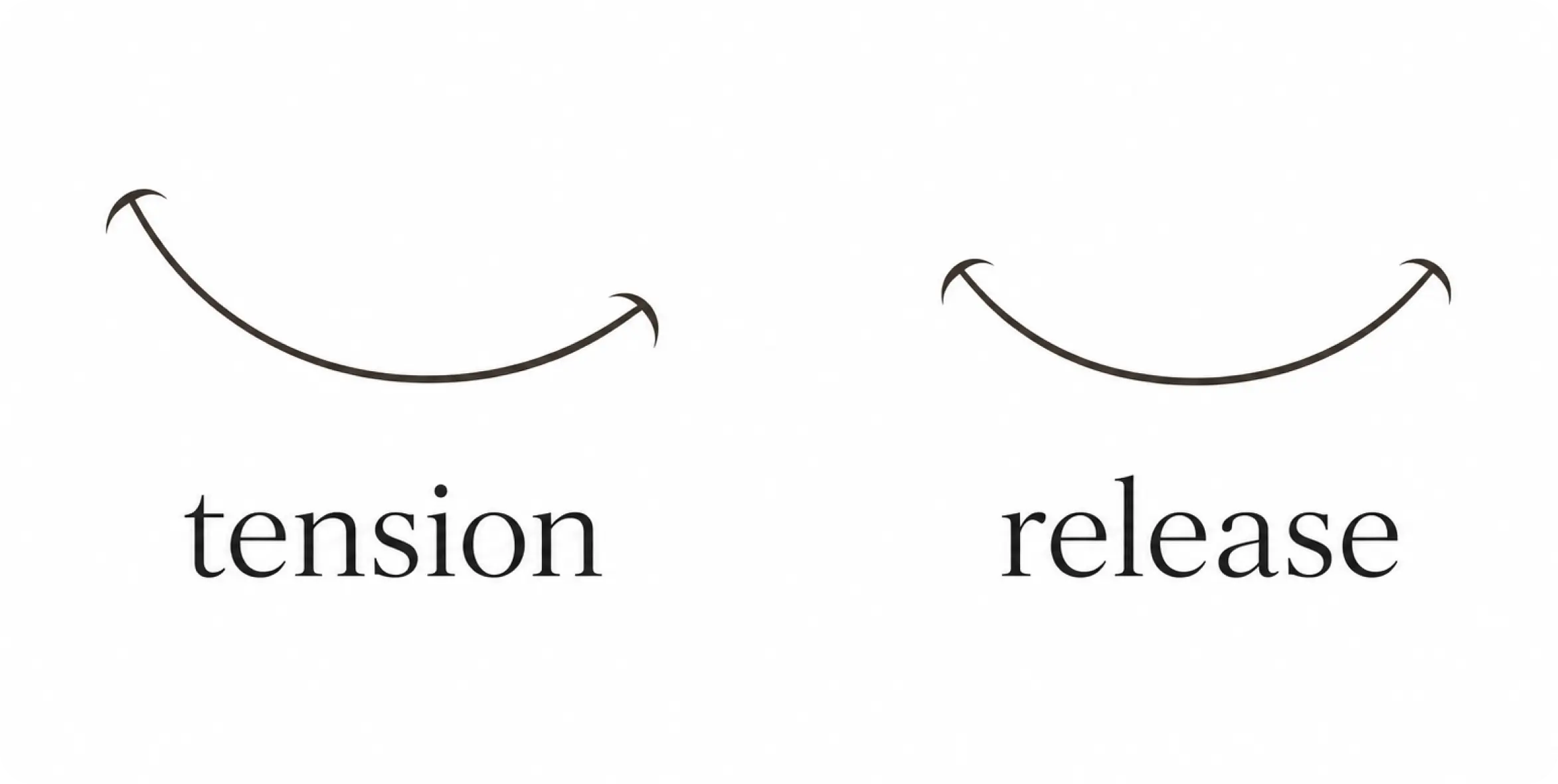
UNEVEN SMILE: WHY ONE SIDE OF THE MOUTH SITS HIGHER AND WHAT FACIAL TENSION HAS TO DO WITH IT
An uneven smile can be one of those details you only notice in photos or videos. One corner of the mouth lifts more. One side of the upper lip looks higher. One cheek seems to move first, while the other appears quieter or tighter. A little facial asymmetry is normal. Almost no one has a […]
Author:MINDBODYFACE
810
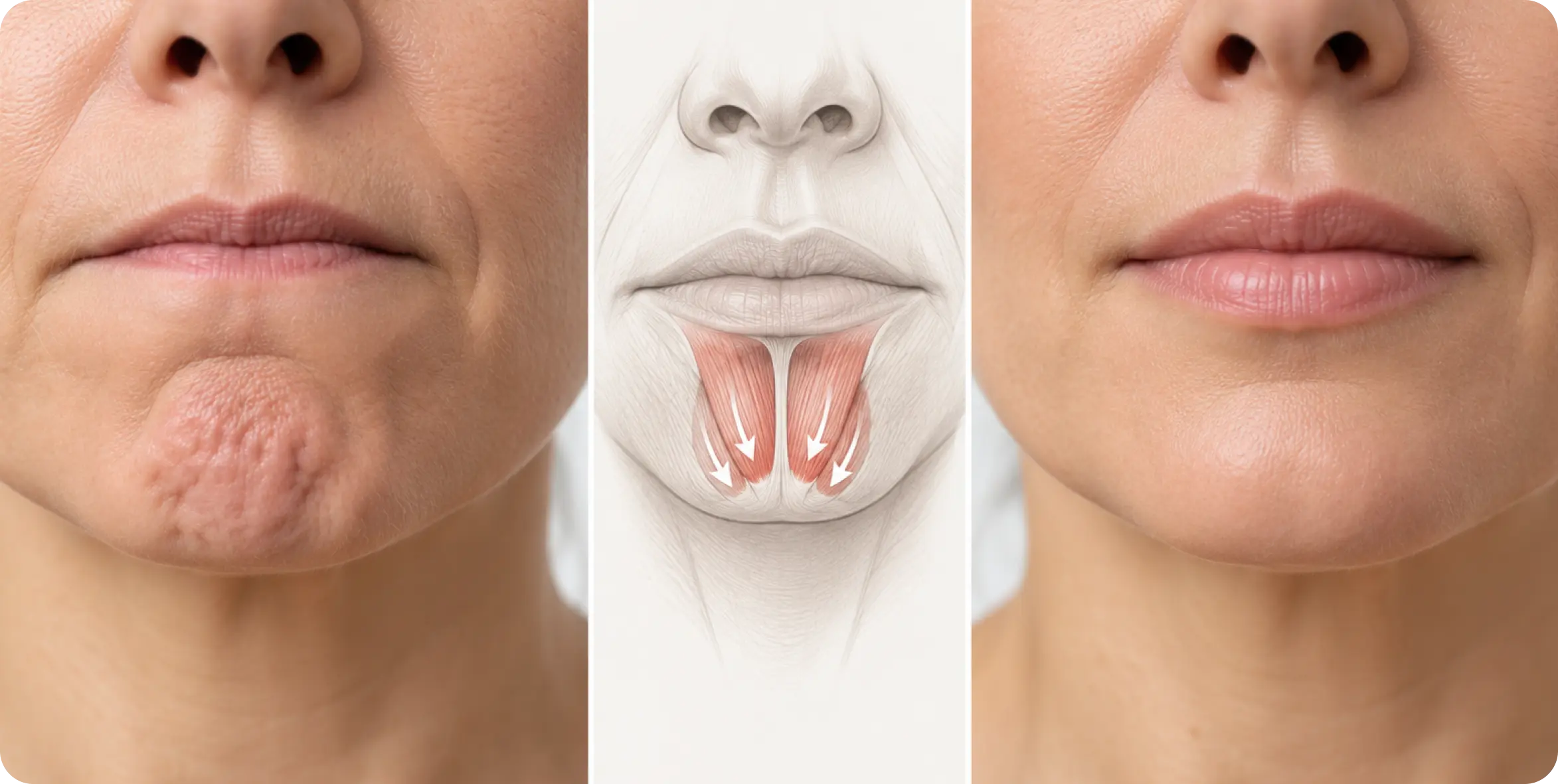
DIMPLED CHIN AND MENTALIS TENSION: WHY THE CHIN LOOKS UNEVEN AND HOW TO RELAX IT
A dimpled chin can make the lower face look tense even when you are not upset. The skin may appear bumpy, gathered, or uneven when you talk, smile, concentrate, swallow, or press your lips together. For some people, this texture appears only during expression. For others, it remains visible at rest. The common reason is […]
Author:MINDBODYFACE
570
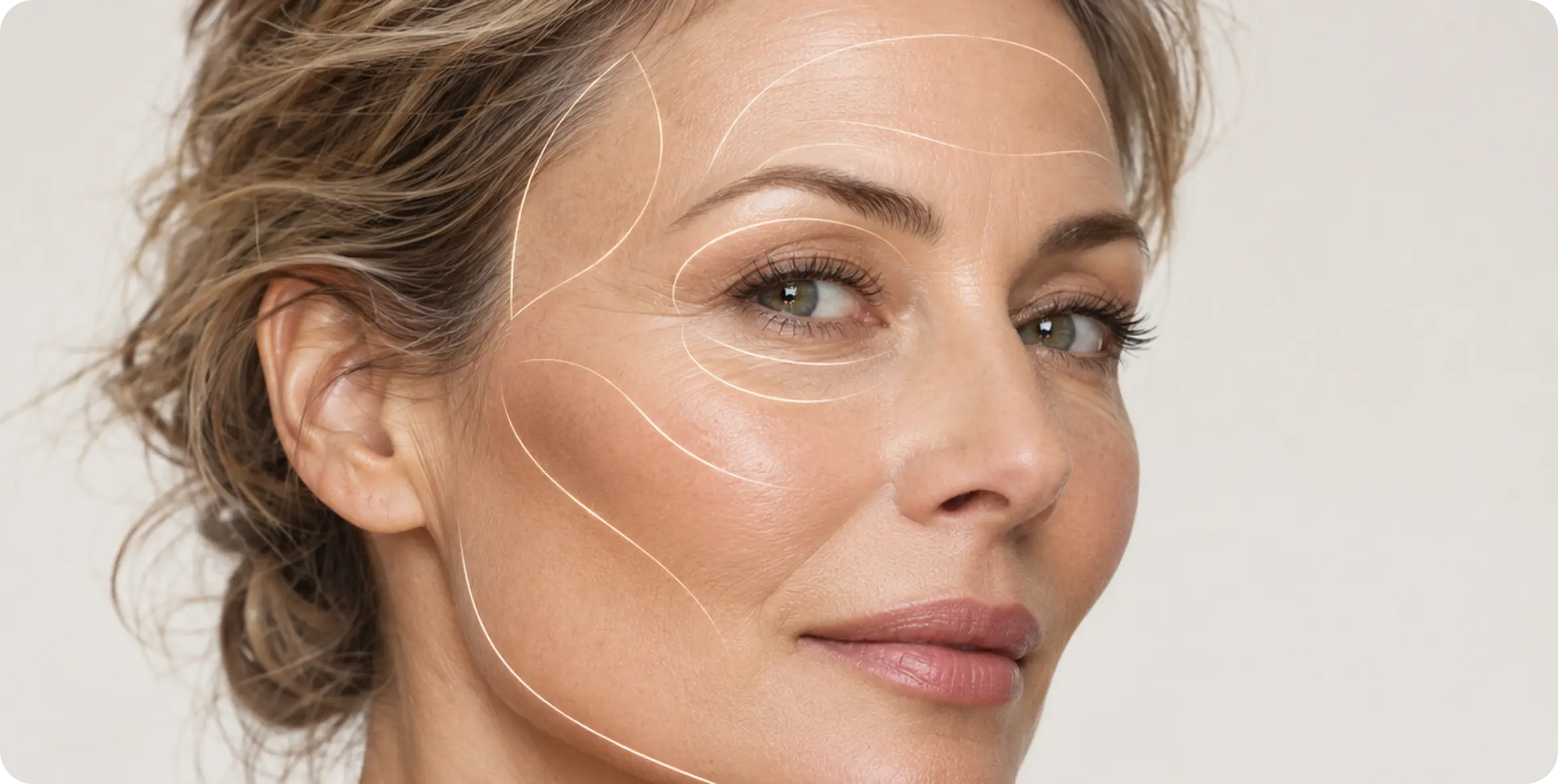
HOLLOW TEMPLES: WHY TEMPLES LOSE VOLUME AND HOW FACIAL AGING CHANGES THIS AREA
Hollow temples are the indentations that can appear at the sides of the forehead, between the outer eyebrow, hairline, and upper cheekbone. Temple hollowing can make the upper face look narrower, more angular, or more tired—even when your skin is smooth and your cheeks still have volume. This area is easy to overlook. People often […]
Author:MINDBODYFACE
500
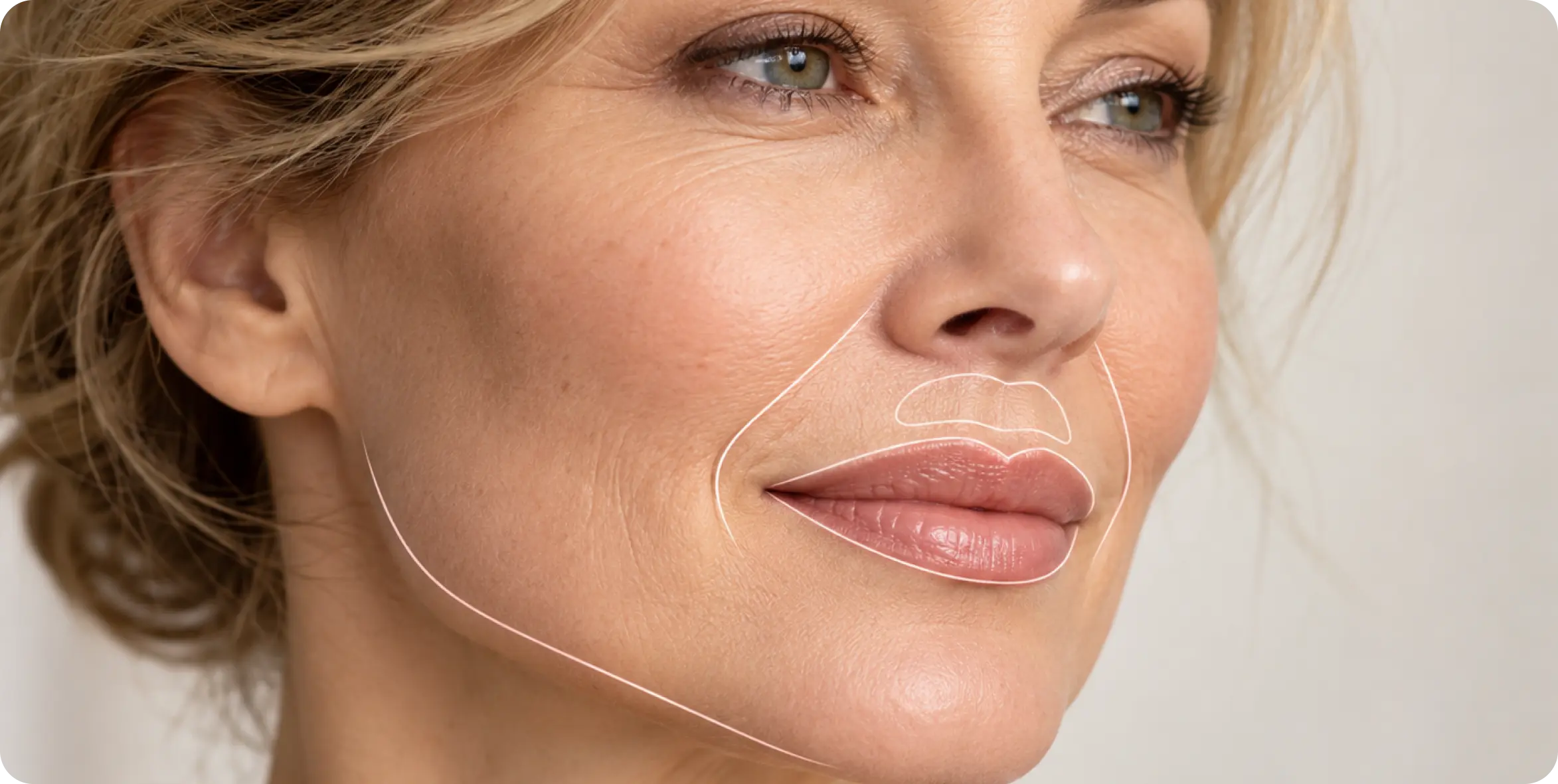
LIP LINES AND SMOKER’S LINES: CAUSES AND NATURAL WAYS TO SOFTEN THEM
Lip lines are the fine vertical creases that appear on and above the upper lip. They are often called smoker’s lines, but smoking is only one possible cause. Sun exposure, natural skin aging, repeated mouth movements, dryness, genetics, and changes in the tissues around the mouth can all make vertical lip lines more visible. These […]
Author:MINDBODYFACE
180


MINDBODYFACE LLC
1021 E Lincolnway Suite 8342, Cheyenne, WY 82001
+16282892382
All services and information on this website are for educational purposes only and do not constitute medical advice or treatment -


