May 20, 2026
•8 minutes read
•Author: MINDBODYFACE
IS THREAD LIFT DANGEROUS? RISKS AND SIDE EFFECTS EXPLAINED

You’re standing in front of the mirror, pulling your cheeks up with two fingers. Your reflection looks five years younger like that. And someone’s offer keeps replaying in your head: “It’s not surgery. Just threads. Lunchtime procedure.” The question is simple — is thread lift safe enough to actually do it?
The honest answer is: it depends. On the doctor, on your skin, on what your body decides to do with foreign material under it. Studies on facial thread lift complications report rates above 30% in the literature. That’s not a small number. And it’s the part most consultations skim over.
Let’s go through the actual data.
Understanding the thread lift procedure
A thread lift is a non-surgical facelift method where biodegradable sutures — usually polydioxanone (PDO), polylactic acid (PLA), or polycaprolactone (PCL) — get inserted under the skin through small punctures. The threads have tiny barbs or cones along them. The doctor pulls the thread, the barbs catch tissue, and the skin gets repositioned upward.
That’s the mechanical part.
The second mechanism is collagen. Your body sees the thread as a foreign object and starts a healing response around it — fibrous tissue forms, collagen builds, and skin gradually firms up over weeks. This is why threads are sold as “minimally invasive.”
Most women consider this option somewhere between fillers and a facelift. Surgery feels too final. Botox and fillers feel too small. Threads sit in the middle: visible result, no general anesthesia, recovery measured in days instead of weeks. The non-surgical facelift risks are real, but they read smaller on paper than the risks of a full SMAS lift.
What gets lost in that comparison is what threads actually do to your tissue long-term. Which brings us to the side effects.
Common side effects after a thread lift
Almost everyone gets some version of these. They’re considered normal recovery, not complications.
Swelling is the most common one. A study by Niu and colleagues found edema in 35% of patients after PDO threads. It usually peaks in the first 48 hours and settles within one to two weeks. Bruising follows the same pattern — visible for about a week, sometimes longer if you’re on aspirin or NSAIDs (which you’re told to stop before the procedure).
Redness at the entry points. Mild pain. Tenderness when you yawn or smile widely. A pulling sensation in the cheeks for the first few days. Some women describe their face feeling “tight” or “stiff” — that’s the threads settling.
Other common PDO thread lift side effects in the recovery window:
- Mild discomfort during chewing
- Skin sensitivity at insertion sites
- Difficulty sleeping on your side (most providers tell you to sleep on your back for two weeks)
- Avoiding heavy facial movements, exercise, and saunas for the first 7–10 days
Thread lift recovery problems start when these don’t resolve. If swelling lasts past two weeks, if pain gets worse instead of better, if you see pus or feel a hard lump that wasn’t there yesterday — that’s not normal recovery. That’s a complication.
And here’s the part most women don’t know: even uncomplicated recovery often includes weeks of feeling tightness or asymmetry as the tissue settles. It’s not always immediately beautiful.
Potential complications and risks
Now the harder part.
Bertossi and colleagues looked at 160 thread lift procedures and found a 34% complication rate in the early postoperative period. The breakdown:
- Thread displacement: 11.2%
- Transient erythema: 9.4%
- Infection (clinically significant): 6.2%
- Skin dimpling: 6.2%
- Temporary facial stiffness: 1.2%
Other studies show similar patterns with skin dimpling reaching 10–18% and thread visibility appearing in roughly 28% of patients in some cohorts.
Skin dimpling and irregularities. When threads are placed too superficially or pulled too tight, the skin gathers around them and creates visible puckers. Sometimes these resolve with massage. Sometimes they don’t, and the thread has to be removed.
Thread migration. The thread shifts from where the doctor put it. You end up with asymmetry — one cheek higher than the other, or a section of the face that looks pulled in a direction it shouldn’t. Migration usually requires either repositioning or thread removal.
Thread extrusion. The thread pokes through the skin. Sometimes a tip comes out near the entry point. Sometimes it migrates and breaks through somewhere else entirely. This happens in roughly 2% of cases and almost always requires intervention.
Infection. Rates vary from below 0.5% in clean clinical settings to over 6% in some retrospective analyses. The 2022 case study from Wrocław Medical University documented a 52-year-old woman who developed abscesses along all four threads one month post-procedure. Treatment required antibiotics and surgical thread removal. She was left with visible deformities even after recovery.
Nerve damage and vascular occlusion. Rare, but documented. If a thread is inserted too deep, it can hit a facial nerve branch — leading to numbness, muscle weakness, or asymmetry that doesn’t resolve. Vascular occlusion is even rarer but more serious.
Parotid gland injury. Documented in the literature. The parotid duct sits closer to the skin surface than most people realize, especially in women with thin facial tissue.
Warning signs that need immediate medical attention:
- Worsening pain after the first 48 hours
- Pus, fever, or red streaks spreading from insertion sites
- Sudden facial weakness or asymmetry
- A thread visibly poking through the skin
- Hard, painful lumps that don’t soften within a week

The risks of facial threads aren’t theoretical. They show up regularly enough that any honest practitioner will walk you through them in detail.
Before and after: what you should know
Here’s the part that rarely makes it into the marketing.
Results are temporary. Most thread lifts last 1 to 3 years. Dissolvable threads — the ones doctors prefer for safety — break down faster. As they dissolve, the lifting effect fades. The collagen stimulation lingers longer, but the structural support is gone.
Scar tissue stays. This is the thread lift before and after risks discussion most clinics skip. Even after the threads dissolve, fibrous capsule formation around them remains. Multiple plastic surgeons note that this scar tissue makes future facelift surgery technically more difficult. It doesn’t ruin the option of surgery later, but it complicates it.
You may not be a candidate. The thread lifting procedure risks go up significantly for some people. Threads are not recommended for:
- Severe skin laxity (the threads can’t lift heavy excess skin)
- Very thin skin (threads become visible under the surface)
- Active autoimmune disease in flare
- Pregnancy and breastfeeding
- Active facial infections, severe acne, or skin disorders in the treatment area
- Bleeding disorders or anticoagulant therapy
- Patients over 55 in many cases — surgical lift gives more reliable results
The Bertossi data also showed something interesting: patients over 50 had a 16% rate of skin dimpling versus 5.6% in younger patients, and an infection rate of 5.9% versus 0.7%. Older skin holds threads worse.
Realistic expectation: thread lifts give a few millimeters of lift. Not the dramatic change of a surgical facelift. If you walk in expecting a 10-year reversal, you’ll walk out disappointed even if the procedure technically went well.
How to minimize risks and ensure safety
If you’ve weighed it all and still want to proceed, the single biggest factor is practitioner skill. Thread lift complications face the same fact every cosmetic procedure does: outcome depends on whose hands you’re in.
Look for a board-certified dermatologist or plastic surgeon — not a beautician, not a “trained injector,” not someone who learned threads at a weekend workshop. Ask how many thread lifts they do per month. Ask to see their own before-and-after photos, not stock images from the thread manufacturer. Ask which threads they use and why.
Before the procedure: stop NSAIDs and aspirin for 1–2 weeks (with your doctor’s approval), avoid alcohol for several days, no blood thinners, no fish oil supplements, no aggressive facial treatments for at least two weeks prior.
After: sleep on your back, no facial massage for at least two weeks, no saunas or hot yoga, no dental work that requires wide mouth opening, gentle cleansing only. Skip your usual moisturizer for the first few weeks per ASPS guidance. Watch for warning signs and don’t ignore them — call your provider at the first sign that something isn’t right.
The goal isn’t to scare you out of considering a thread lift. It’s to make sure you walk in with eyes open.
Another path worth considering
Here’s something worth sitting with before you make the decision: a lot of facial sagging isn’t really about loose skin. It’s about the underlying structure — fascial tension, postural patterns, lymph drainage, the way your jaw, neck, and skull have shifted over the years. Threads pull tissue mechanically. They don’t change why the tissue dropped.
This is why some women see more durable change from working with the actual cause.

The Faceplastica Rejuvenation Method by Dr. Ales Ulishchenko is built around exactly this idea. Twenty days of guided practices working on fascia, the cervical region, jaw structure, and the deep architecture of the face — without a single needle. If you’ve tried face fitness, massages, and short marathons and the results never held, this is a different layer of the work.
FACIAL REJUVENATION AFTER 45: PROCEDURES THAT MAY NOT BE WORTH IT
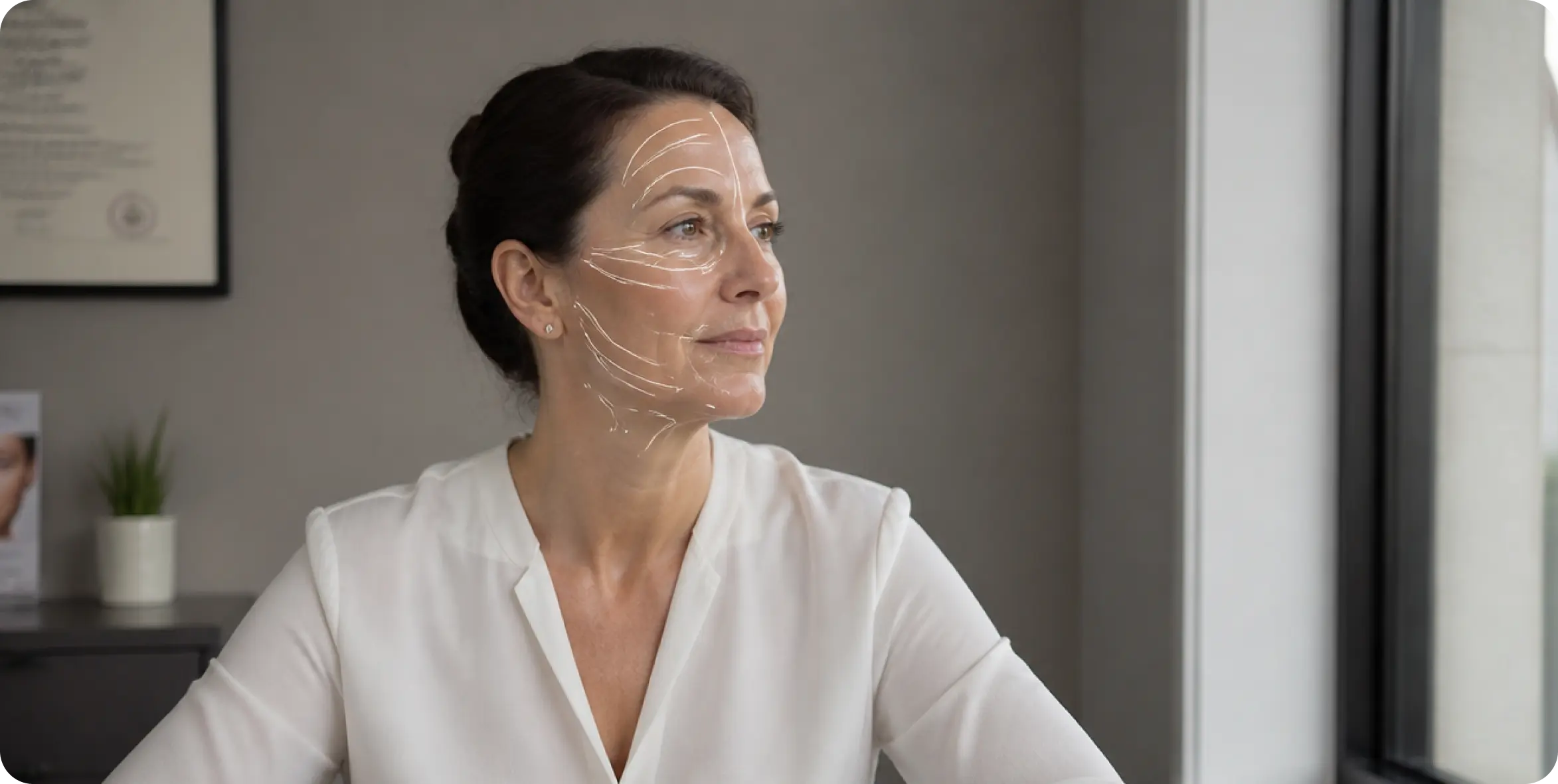
Facial rejuvenation after 45 works best when the treatment matches the actual change you want to address. The useful question is not which option is “best,” but whether a procedure can deliver enough benefit to justify its cost, recovery, maintenance, and possible complications. Many facial rejuvenation procedures after 45 are marketed as universal solutions. Yet […]
Author:MINDBODYFACE
 6
6 0
0
ENHANCING THE NATURAL BEAUTY OF THE LIPS WITHOUT AUGMENTATION
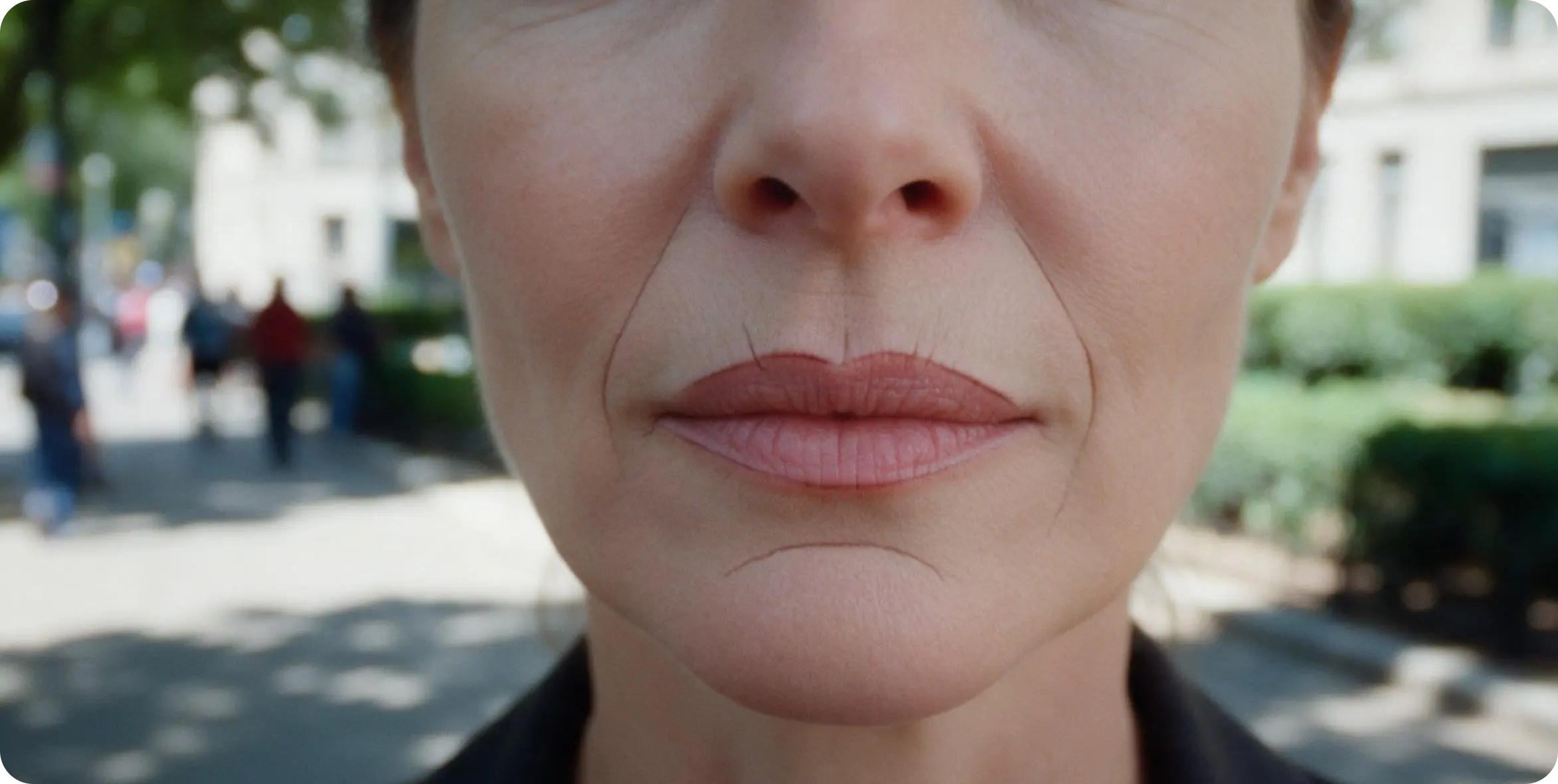
Natural lip enhancement will not give you a new mouth. It can help your existing lips look smoother, healthier, more defined, and less compressed – without fillers, injections, or harsh “plumping” tricks. The visible difference usually comes from simple things: a stronger lip barrier, daily UV protection, less dryness, a relaxed jaw, and skin around […]
Author:MINDBODYFACE
80
FACIAL FAT GRAFTING: ARE THE POTENTIAL RISKS TOO HIGH?
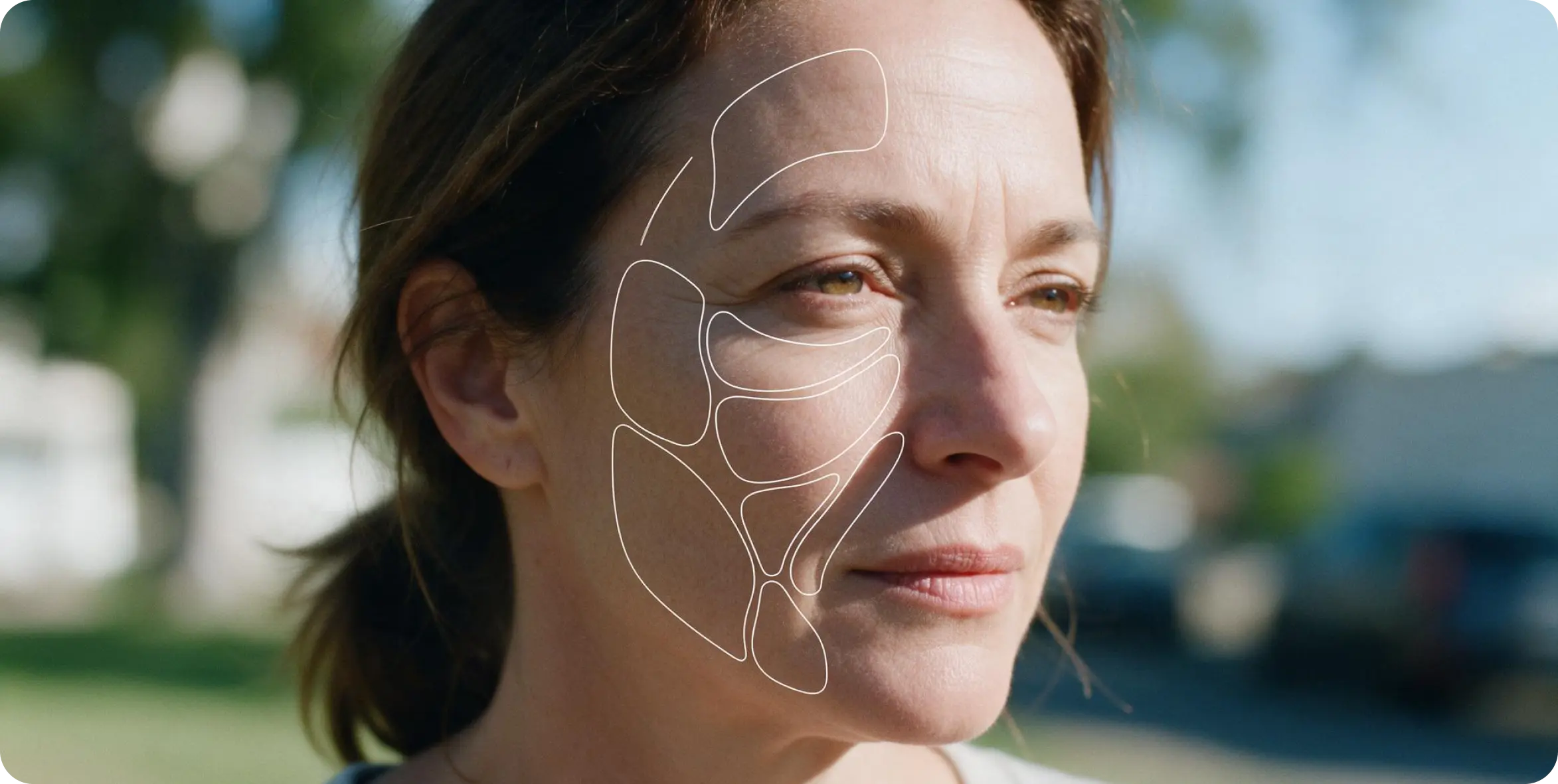
Facial fat grafting risks are not automatically “too high,” but this is a surgical procedure with an unpredictable aesthetic outcome and a small risk of severe complications. For the right patient, treated conservatively by an experienced surgeon, facial fat transfer can restore volume in hollow areas. For someone seeking a perfectly controllable result, a dramatic […]
Author:MINDBODYFACE
120

PLATYSMAL BANDS: WHY VERTICAL NECK BANDS APPEAR AND WHAT YOU CAN DO NATURALLY
Platysmal bands are the vertical cords that may appear across the front or sides of the neck when you speak, grimace, turn your head, lift your chin, or tighten your lower face. These neck bands can become obvious in photographs first: your face still looks familiar, while the neck suddenly appears more strained, heavier, or […]
Author:MINDBODYFACE
210


MINDBODYFACE LLC
1021 E Lincolnway Suite 8342, Cheyenne, WY 82001
+16282892382
All services and information on this website are for educational purposes only and do not constitute medical advice or treatment -