Jun 10, 2026
•7 minutes read
•Author: MINDBODYFACE
ATHLETIC BODY AESTHETICS: CHARACTERISTICS OF THE NORMOSTHENIC (MESOMORPHIC) TYPE

Some people build muscle quickly, carry low body fat without extreme effort, and look proportional even without training. This isn’t luck — it’s a body type. The normosthenic (mesomorphic) type is characterised by balanced structure, natural strength, and a physique that responds efficiently to physical activity.
Understanding what this body type actually is — its anatomy, its mechanics, and its tendencies — helps you work with it more deliberately, whether the goal is aesthetics, performance, or long-term maintenance.
WHAT IS THE NORMOSTHENIC (MESOMORPHIC) BODY TYPE
Body type classification — or somatotyping — was formally developed in the 1940s by American psychologist William H. Sheldon, who proposed that human physiques fall into three broad categories: endomorphic (rounded, higher fat distribution), ectomorphic (lean, linear), and mesomorphic (muscular, balanced).
The mesomorphic type is the middle point of this spectrum. In Sheldon’s scoring system, a pure mesomorph scored 1-7-1, with the centre digit representing maximum mesomorphy. In clinical and European medicine, the equivalent term is normosthenic — meaning a constitution with normal, balanced proportions relative to height and bone structure.

It’s worth noting that the psychological associations Sheldon attached to body types are now considered pseudoscientific and unsupported by evidence. The physical classification itself, however, remains a useful descriptive framework in sports science, physiology, and clinical practice.
KEY CHARACTERISTICS OF THE ATHLETIC (MESOMORPHIC) PHYSIQUE
The mesomorphic body type is defined less by a single dramatic feature and more by an overall proportionality. Several characteristics consistently appear across research and clinical descriptions.
- Broad shoulders relative to waist — the V-taper is a structural trait, not just a result of training
- Medium bone structure — neither the delicate frame of an ectomorph nor the heavy skeletal build sometimes seen in endomorphic types
- Square or upright posture — the thorax is typically well-developed, the spine naturally erect
- Naturally developed musculature — visible muscle definition at a moderate body fat level is typical, without extreme conditioning
- Lower resting body fat — athletic body fat ranges for men fall between 5–10%, and mesomorphs tend to sit toward the lower end of the “good” range without active caloric restriction
- Thick skin and muscle density — Sheldon specifically noted thick skin as a distinguishing structural trait
The normosthenic physique also tends to carry weight evenly — gains and losses distribute across the body rather than concentrating in one zone. This is one reason the athletic body type is often described as visually balanced even under varying conditions.
IDEAL PROPORTIONS AND AESTHETIC APPEAL
What makes the mesomorphic physique read as “aesthetic” is primarily symmetry — and symmetry here means structural balance between corresponding parts.
The shoulder-to-waist ratio is the most consistent marker. A V-taper, where shoulder width clearly exceeds waist circumference, creates the visual impression of strength and proportion. This ratio occurs naturally in normosthenic individuals — the clavicular width, rib cage development, and narrower hip structure produce it without specific training emphasis.

Beyond the upper body, ideal athletic body proportions involve harmony between limb length, torso depth, and overall height. A well-proportioned mesomorphic physique doesn’t appear top-heavy or bottom-heavy — limbs and trunk are scaled to each other. This is partly skeletal and partly a matter of how muscle mass distributes across a naturally athletic frame.
METABOLISM AND PHYSICAL PERFORMANCE
Mesomorphic individuals tend to have a moderate-to-high metabolic rate, which supports both muscle synthesis and fat utilisation. This is distinct from the fast metabolism typically associated with ectomorphs — mesomorphs don’t burn through everything regardless of intake. Rather, their metabolism is efficient: it responds well to both caloric surplus (muscle growth) and deficit (fat loss).
One structural reason for this is muscle composition. Mesomorphs are typically characterised by a higher proportion of fast-twitch (Type II) muscle fibres. Fast-twitch fibres generate more force and grow larger in response to resistance training — which partly explains why the normosthenic physique builds muscle more readily than other types. Genetic factors account for roughly 40–50% of muscle fibre composition, meaning this tendency is substantially inherited.
In practice, this translates to stronger performance in power-based activities — sprinting, weightlifting, explosive movements — and competitive endurance in mixed-modality sports. The balanced body type characteristics also mean recovery is typically efficient, with less systemic fatigue after high-intensity work.
ADVANTAGES OF THE MESOMORPHIC BODY TYPE
The natural advantages of the normosthenic constitution are real, but they’re worth naming precisely rather than idealisasing.
- Muscle hypertrophy response — mesomorphs gain lean mass faster than other types in response to resistance training, due to muscle fibre composition and anabolic hormone efficiency
- Natural shape retention — the structural proportions of the normosthenic physique don’t require extreme conditioning to remain visible; basic activity is enough to maintain the silhouette
- Adaptability across sports — the combination of fast-twitch fibre capacity and moderate endurance metabolism means mesomorphic individuals perform well across strength, power, and mixed-modality activities
- Lower baseline body fat — maintaining a lean physique requires less dietary restriction than it would for endomorphic types
- Posture and structural alignment — the upright thorax and balanced skeletal proportions of the normosthenic body type create a natural postural baseline that supports both athletic performance and appearance
One practical note: the same efficiency that makes muscle gain easy also means fat gain is faster than ectomorphs might experience if diet is poor. The advantages are real but not unconditional.
HOW TO MAINTAIN AND ENHANCE AN ATHLETIC PHYSIQUE
The mesomorphic body type responds well to training — which means the wrong kind of training also produces visible results quickly. The goal for maintaining athletic body aesthetics is specificity: train for the physique you want, not just for the activity you enjoy.
Training approach:
- Compound strength movements form the foundation — squats, deadlifts, presses, rows. These work multiple muscle groups simultaneously and maintain the proportional development that defines the normosthenic silhouette
- Unilateral exercises — single-arm and single-leg variations correct the asymmetries that develop over time from dominant-side patterns
- Sprint intervals over steady-state cardio — mesomorphs respond strongly to high-intensity interval training. It supports fat metabolism without compromising muscle mass
- Controlled tempo — slow eccentric phases (3–4 seconds on the lowering portion) increase muscle stimulus and improve symmetry over time
Nutrition:
Mesomorphic body type characteristics include efficient protein utilisation. Research supports 1.0–1.2g of protein per pound of bodyweight to sustain hypertrophy. Carbohydrates remain useful — timed around training, they fuel performance and support recovery. Healthy fats should make up at least 20% of total caloric intake to support hormone function.
What doesn’t work:
Neglecting any single body region. The aesthetic appeal of mesomorphic body proportions depends on balance — upper-lower, front-back, dominant-non-dominant. An oversized upper body with underdeveloped legs destroys the very proportionality that makes this physique distinctive.

For those looking to work not just with body structure but with facial posture, muscle tension, and the way the face reflects physical condition — the Women’s Body Secrets by Dr. Ales Ulishchenko brings the same principle of structural balance to the face. The 15-day programme works with deep muscle layers, fascia, and posture to restore proportionality and definition to the facial structure — the way a well-designed training plan restores it to the body.
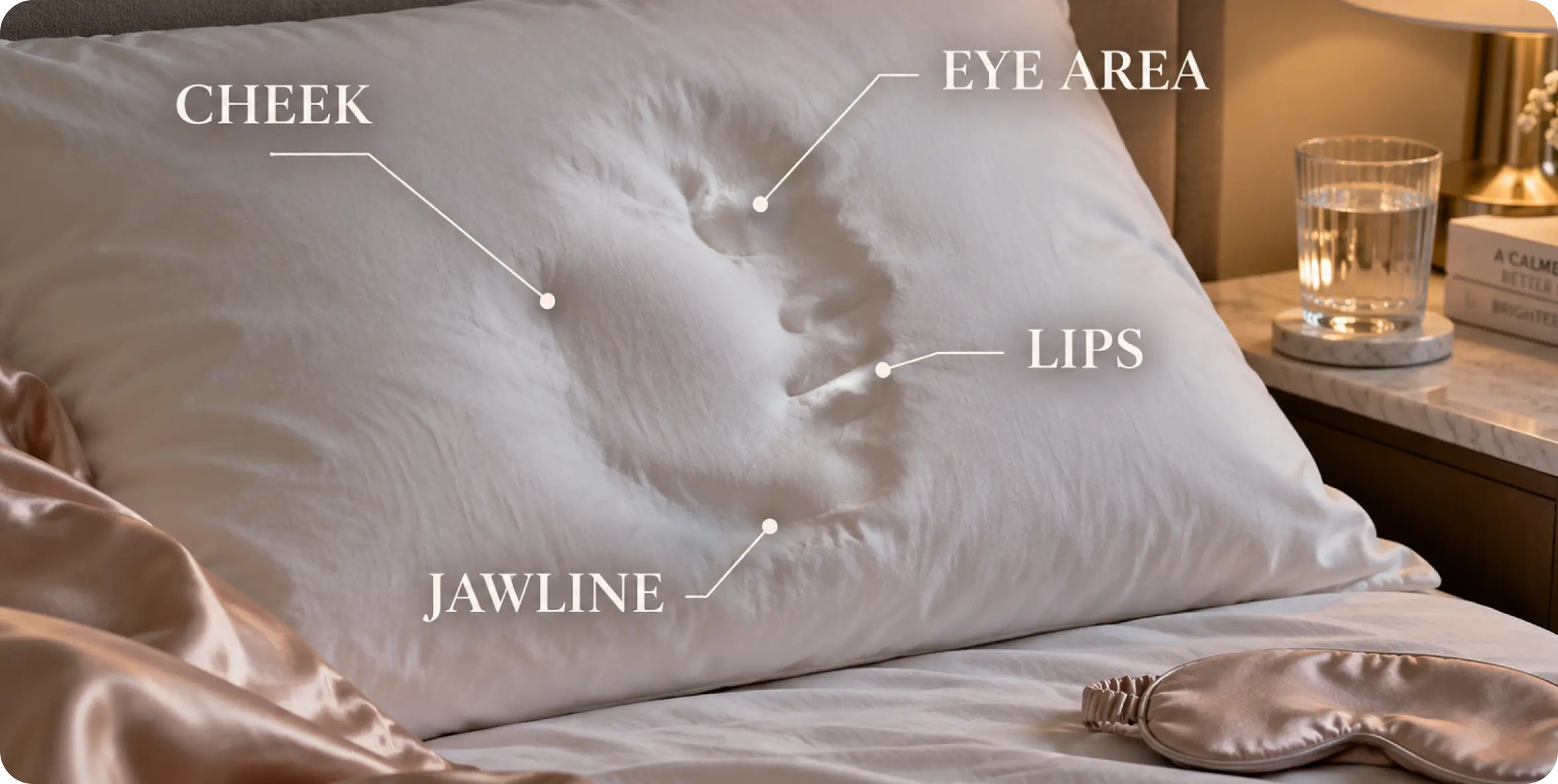
CAN SLEEPING ON ONE SIDE CHANGE YOUR FACE? SLEEP LINES, ASYMMETRY, AND FACIAL COMPRESSION
Can sleeping on one side change your face? It can temporarily change how your face looks in the morning. One cheek may seem puffier, one eye more swollen, and one side may show deeper pillow marks. Over many years, repeated pressure may contribute to sleep lines in aging skin, but side sleeping alone does not […]
Author:MINDBODYFACE
 8
8 0
0
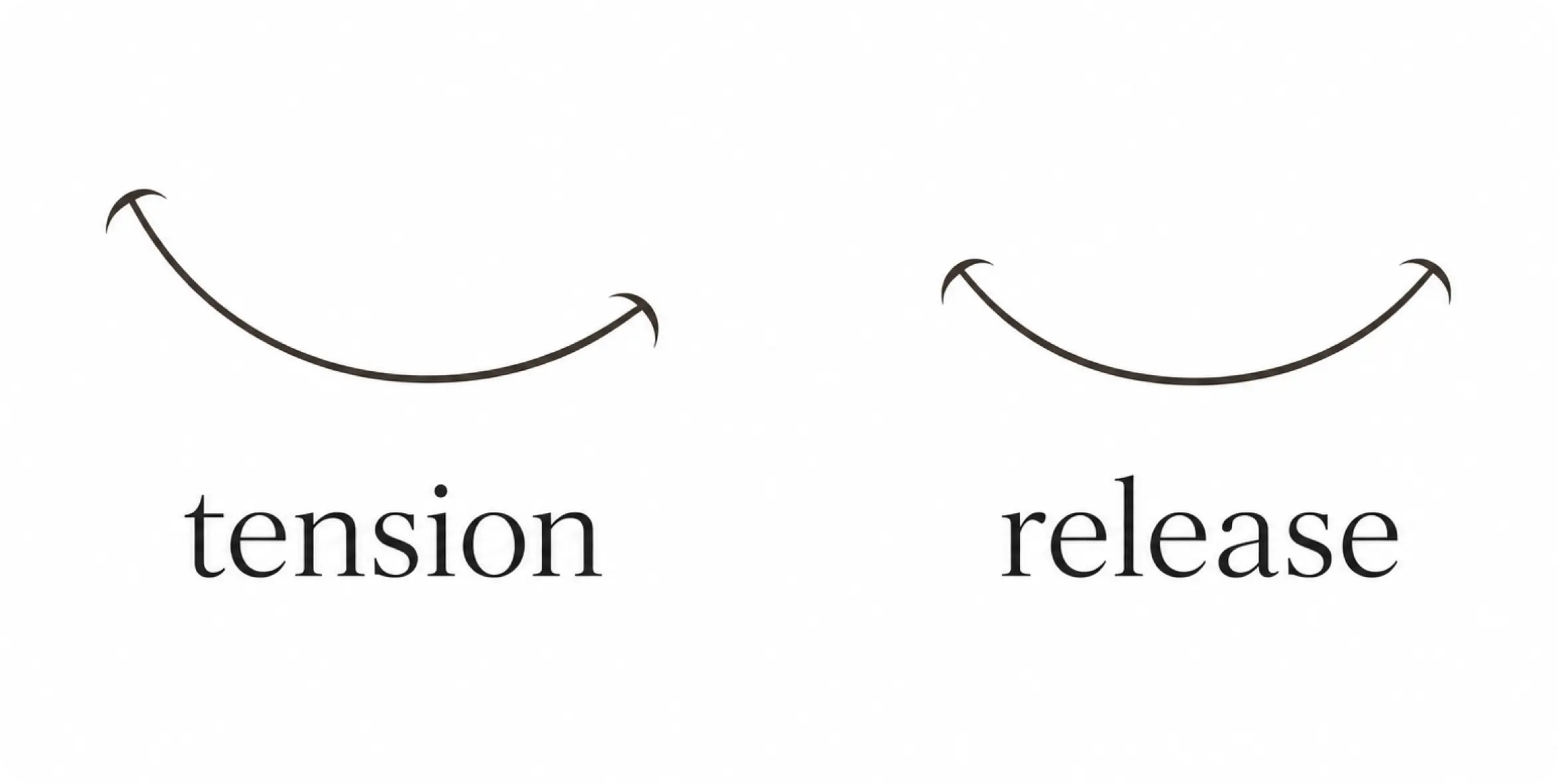
UNEVEN SMILE: WHY ONE SIDE OF THE MOUTH SITS HIGHER AND WHAT FACIAL TENSION HAS TO DO WITH IT
An uneven smile can be one of those details you only notice in photos or videos. One corner of the mouth lifts more. One side of the upper lip looks higher. One cheek seems to move first, while the other appears quieter or tighter. A little facial asymmetry is normal. Almost no one has a […]
Author:MINDBODYFACE
160
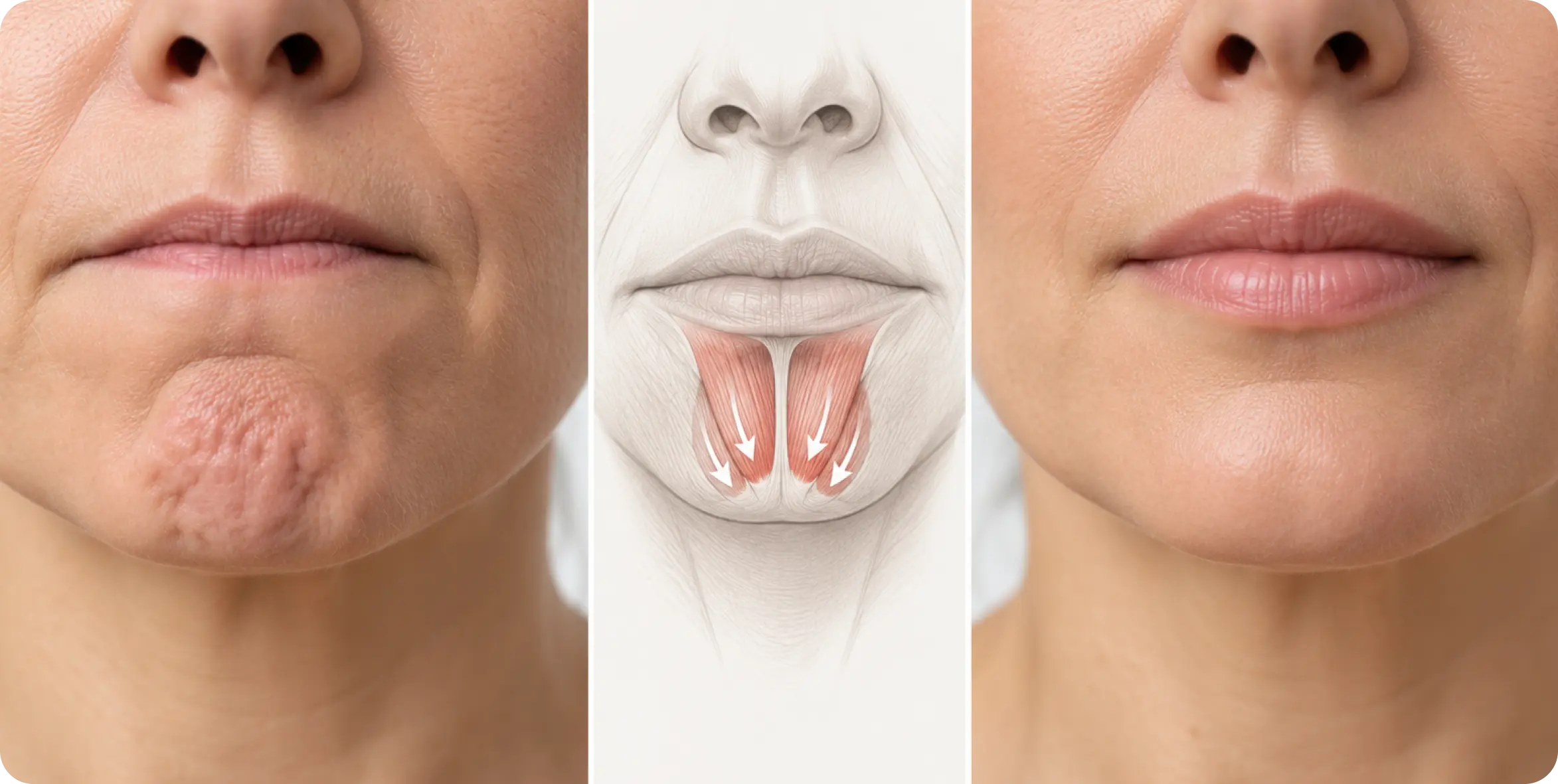
DIMPLED CHIN AND MENTALIS TENSION: WHY THE CHIN LOOKS UNEVEN AND HOW TO RELAX IT
A dimpled chin can make the lower face look tense even when you are not upset. The skin may appear bumpy, gathered, or uneven when you talk, smile, concentrate, swallow, or press your lips together. For some people, this texture appears only during expression. For others, it remains visible at rest. The common reason is […]
Author:MINDBODYFACE
150
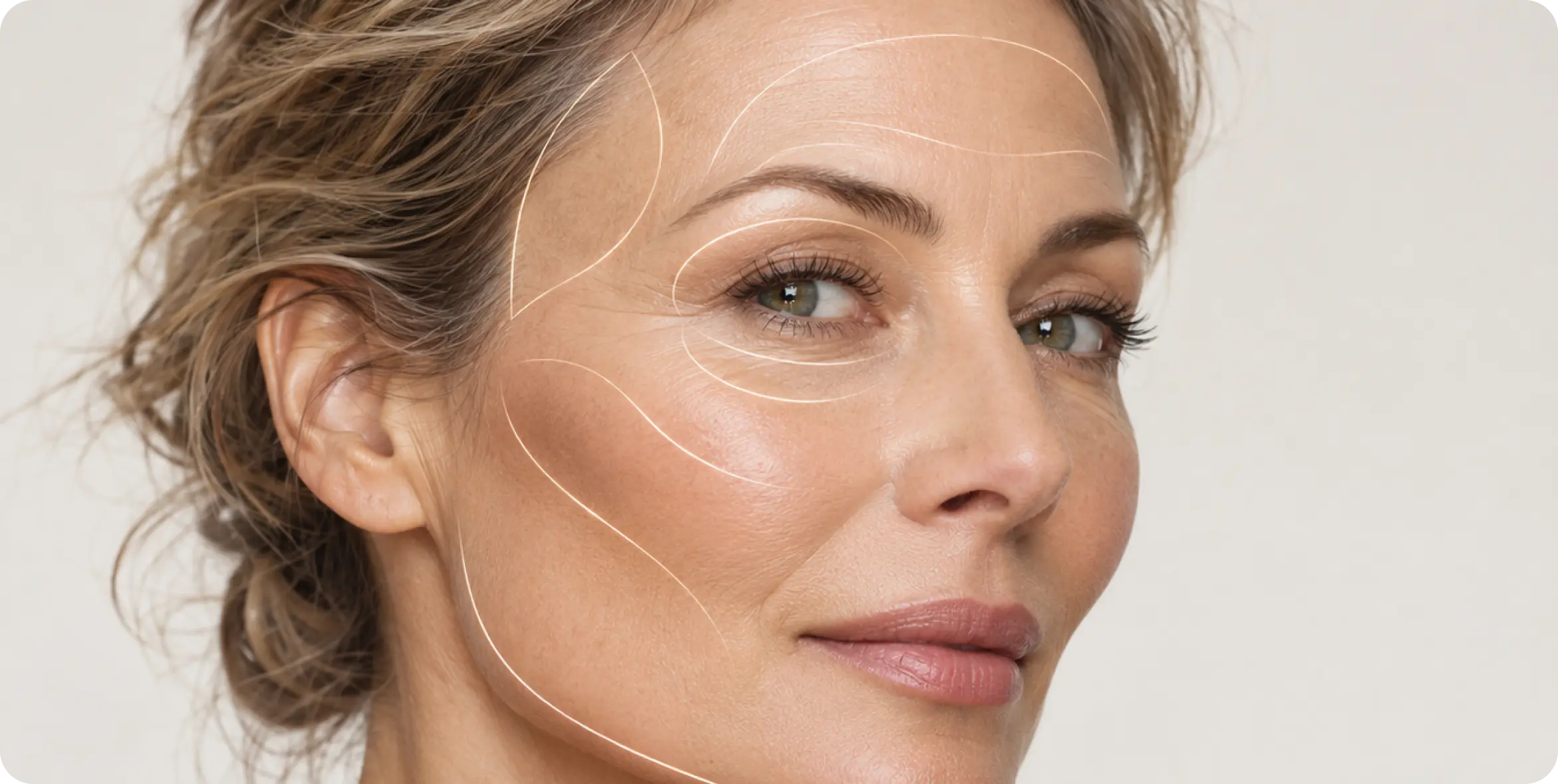
HOLLOW TEMPLES: WHY TEMPLES LOSE VOLUME AND HOW FACIAL AGING CHANGES THIS AREA
Hollow temples are the indentations that can appear at the sides of the forehead, between the outer eyebrow, hairline, and upper cheekbone. Temple hollowing can make the upper face look narrower, more angular, or more tired—even when your skin is smooth and your cheeks still have volume. This area is easy to overlook. People often […]
Author:MINDBODYFACE
260


MINDBODYFACE LLC
1021 E Lincolnway Suite 8342, Cheyenne, WY 82001
+16282892382
All services and information on this website are for educational purposes only and do not constitute medical advice or treatment -