Jul 28, 2026
•5 minutes read
•Author: MINDBODYFACE
ENDOMORPH DIET AND WORKOUT GUIDE: WHAT TO CONSIDER FOR EFFECTIVE RESULTS

An endomorph body type typically stores fat more easily and responds best to a structured approach. That means the right mix of food, strength work, cardio, and daily activity matters more than “working out harder.”
The good news is that endomorph body type results improve steadily when the plan is consistent. The body may be slower to lean out, but it also responds well to muscle-building and movement-based habits.
UNDERSTANDING THE ENDOMORPH BODY TYPE AND METABOLISM
An endomorph body type is usually described as larger-framed, softer in appearance, and more likely to gain fat with excess calories. This does not mean the body is broken; it means the energy balance tends to shift toward storage more easily than in leaner somatotypes.
Endomorph metabolism and nutrition are closely linked because the body often does better with steady intake than with erratic eating. In practice, that means long gaps, frequent snacking, and highly processed meals can work against fat loss more than many people expect.

Non-exercise activity thermogenesis, or NEAT, also matters. Daily movement outside the gym contributes a large share of total energy expenditure, and it is a major factor in whether body fat goes up or down.
BEST DIET APPROACH FOR ENDOMORPHS
The best diet for endomorphs is not extreme. It is controlled, high in protein, and built around food quality.
A practical endomorph body type diet should do three things:
- Keep calories in a modest deficit when fat loss is the goal.
- Keep protein high enough to protect lean mass during weight loss.
- Keep carbohydrates strategic rather than constant, especially if appetite and fat gain rise quickly with high-carb meals.
An endomorph meal plan usually works best when it is simple: protein at each meal, vegetables in large portions, carbs centered around training, and fats from whole-food sources. Highly processed foods make calorie control harder because they are easy to overeat and often reduce satiety.
ENDOMORPH NUTRITION STRATEGY FOR SUSTAINABLE FAT LOSS
A sustainable endomorph nutrition guide starts with one rule: build a plan you can repeat. Crash dieting creates short-term loss, then rebound hunger, and that pattern is especially frustrating for this body type.
For endomorph weight loss tips that actually hold up:
- Use a moderate calorie deficit, not an aggressive cut.
- Prioritize protein at every meal to support fullness and muscle retention.
- Put most carbs around workouts, when they are more likely to support performance than storage.
- Keep dinner lighter if late-night overeating is a problem.
- Track weekly average weight and adjust slowly, not daily.
This approach works because it lowers the chance of rebound eating while keeping training quality high. The goal is not just weight loss; it is a better body composition over time.
EFFECTIVE WORKOUT PLAN FOR ENDOMORPH BODY TYPE
An endomorph workout plan should combine strength and conditioning. Strength training builds lean mass, while cardio helps create the calorie deficit needed for fat loss.
If you are wondering how to train as an endomorph, the short answer is: lift regularly, move often, and avoid long periods of inactivity. A balanced endomorph fitness plan usually includes 3–4 resistance sessions weekly and 2–4 cardio sessions, depending on current body fat and recovery.

The most useful exercise for endomorph body type is full-body or upper/lower training with compound lifts. Squats, presses, rows, deadlifts, and lunges burn more energy than isolation work and build more muscle at once.
STRENGTH TRAINING AND MUSCLE BUILDING FOR ENDOMORPHS
Strength training for endomorphs should focus on big movements, moderate-to-heavy loads, and steady progression. This type of training supports muscle gain without requiring endless volume.
A simple structure works well:
- 2–4 compound lifts per session.
- 3–5 sets per lift.
- 6–10 reps for strength and muscle.
- Shorter rest periods when fat loss is the priority.
Because muscle tissue raises resting energy needs more than fat tissue, adding lean mass improves the long-term metabolic picture. That is why an endomorph workout plan should never be cardio-only.
CARDIO AND FAT LOSS OPTIMIZATION
Cardio for endomorph body type is important, but it should be used strategically. Moderate steady-state work and HIIT both have a place, but one should not replace the other completely.
For fat loss, a practical mix is:
- 2–4 moderate cardio sessions per week, 30–45 minutes each.
- 1–2 HIIT sessions if recovery is good.
- Daily walking or higher NEAT to keep total expenditure up.
The purpose of cardio here is not punishment. It is support for calorie control, recovery, and heart health. Combined with strength work, it creates the best route to stable body recomposition.
HEALTHY LIFESTYLE HABITS FOR LONG-TERM RESULTS
Healthy habits for endomorphs often decide the result more than the workout itself. Sleep, stress management, and daily movement shape appetite, recovery, and consistency.
A few habits matter most:
- Sleep 7–9 hours consistently. Poor sleep makes hunger control and training quality worse.
- Walk more during the day. NEAT has a major effect on energy balance.
- Keep meal timing predictable. Irregular eating often leads to excess intake.
- Track progress by trend, not single weigh-ins.
- Stay patient. Endomorph body type results improve through repetition, not bursts of discipline.

For many people, the real breakthrough is not a new diet. It is a system they can keep living with.
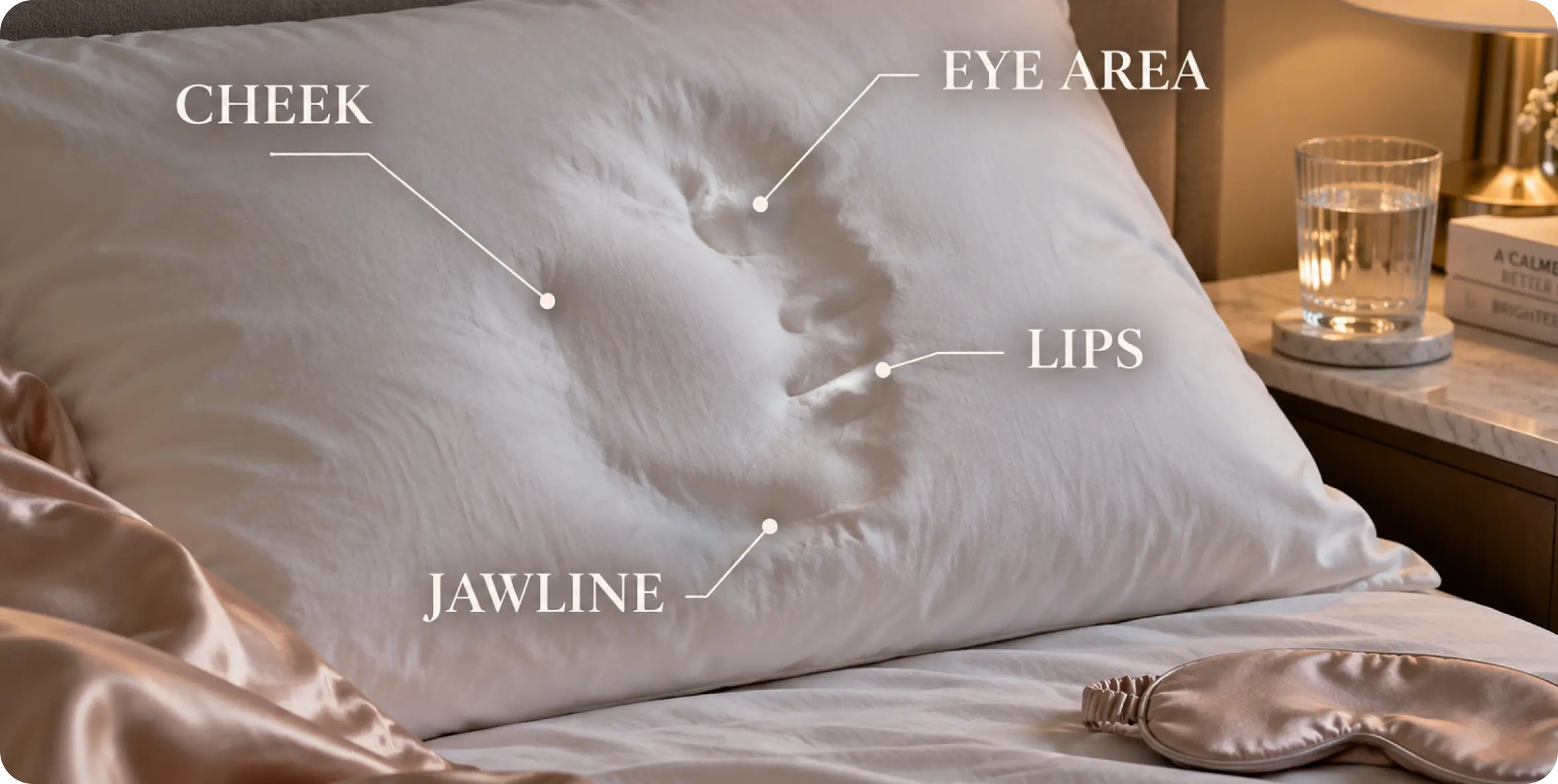
CAN SLEEPING ON ONE SIDE CHANGE YOUR FACE? SLEEP LINES, ASYMMETRY, AND FACIAL COMPRESSION
Can sleeping on one side change your face? It can temporarily change how your face looks in the morning. One cheek may seem puffier, one eye more swollen, and one side may show deeper pillow marks. Over many years, repeated pressure may contribute to sleep lines in aging skin, but side sleeping alone does not […]
Author:MINDBODYFACE
 13
13 0
0
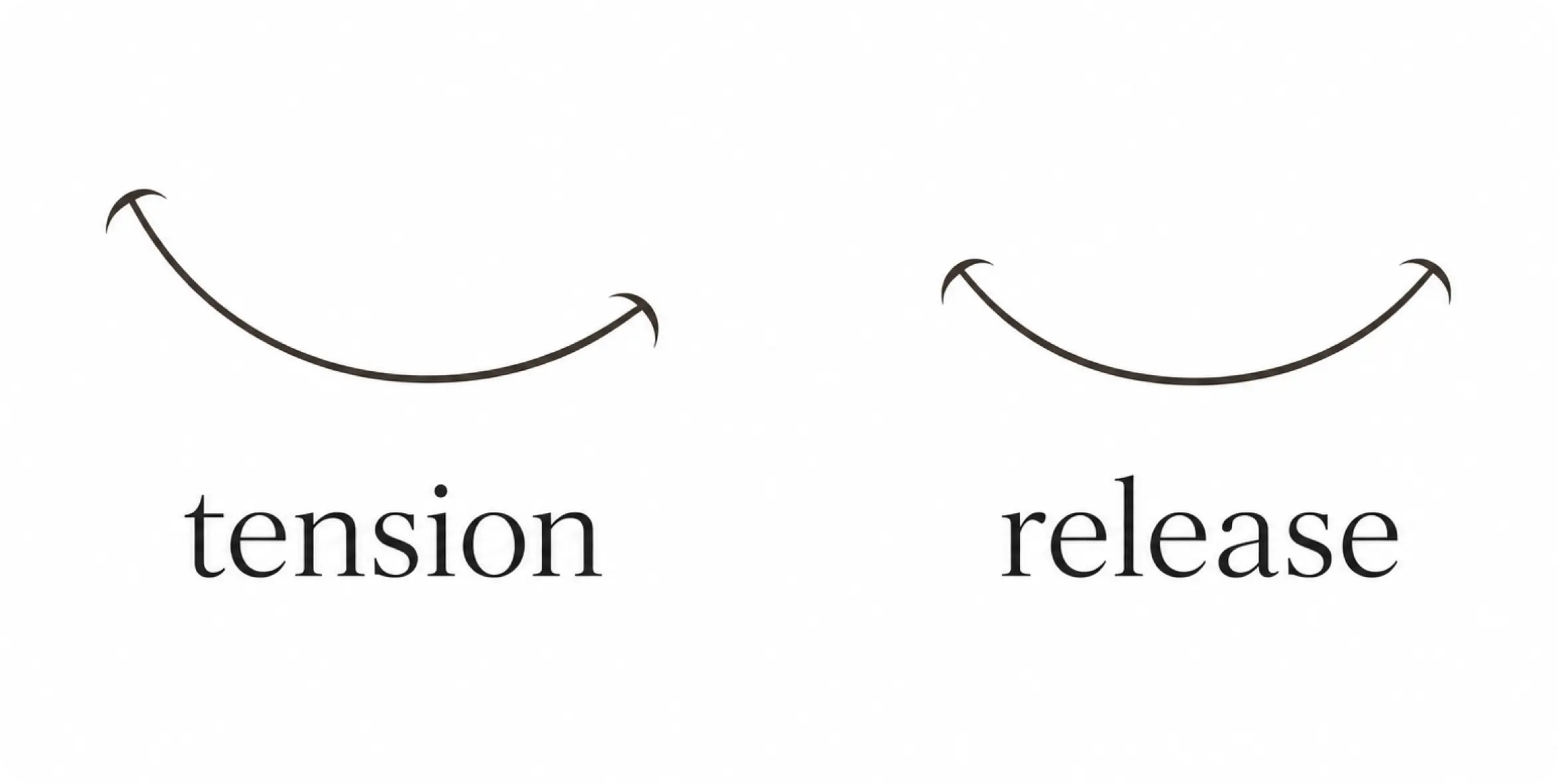
UNEVEN SMILE: WHY ONE SIDE OF THE MOUTH SITS HIGHER AND WHAT FACIAL TENSION HAS TO DO WITH IT
An uneven smile can be one of those details you only notice in photos or videos. One corner of the mouth lifts more. One side of the upper lip looks higher. One cheek seems to move first, while the other appears quieter or tighter. A little facial asymmetry is normal. Almost no one has a […]
Author:MINDBODYFACE
230
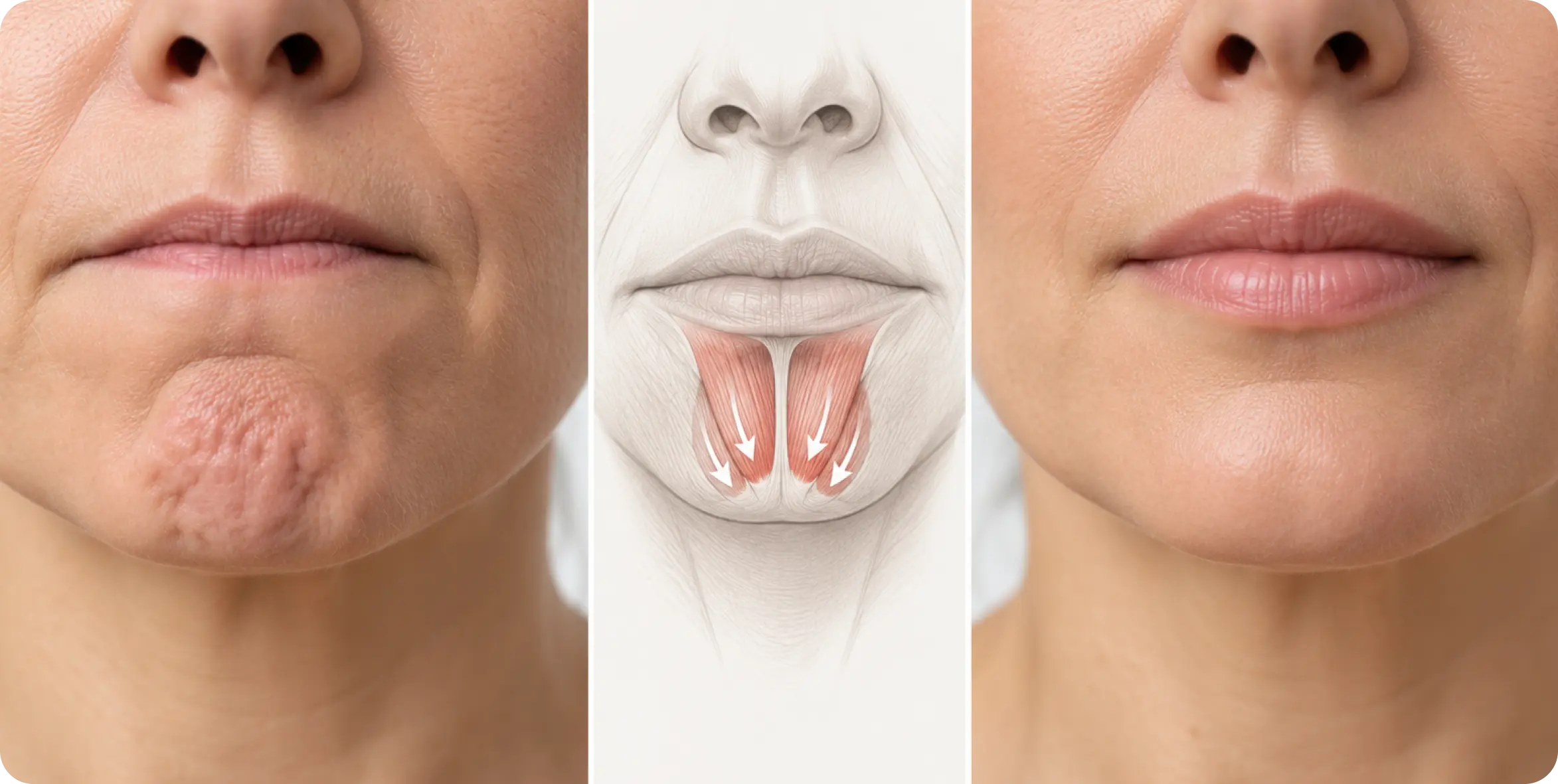
DIMPLED CHIN AND MENTALIS TENSION: WHY THE CHIN LOOKS UNEVEN AND HOW TO RELAX IT
A dimpled chin can make the lower face look tense even when you are not upset. The skin may appear bumpy, gathered, or uneven when you talk, smile, concentrate, swallow, or press your lips together. For some people, this texture appears only during expression. For others, it remains visible at rest. The common reason is […]
Author:MINDBODYFACE
230
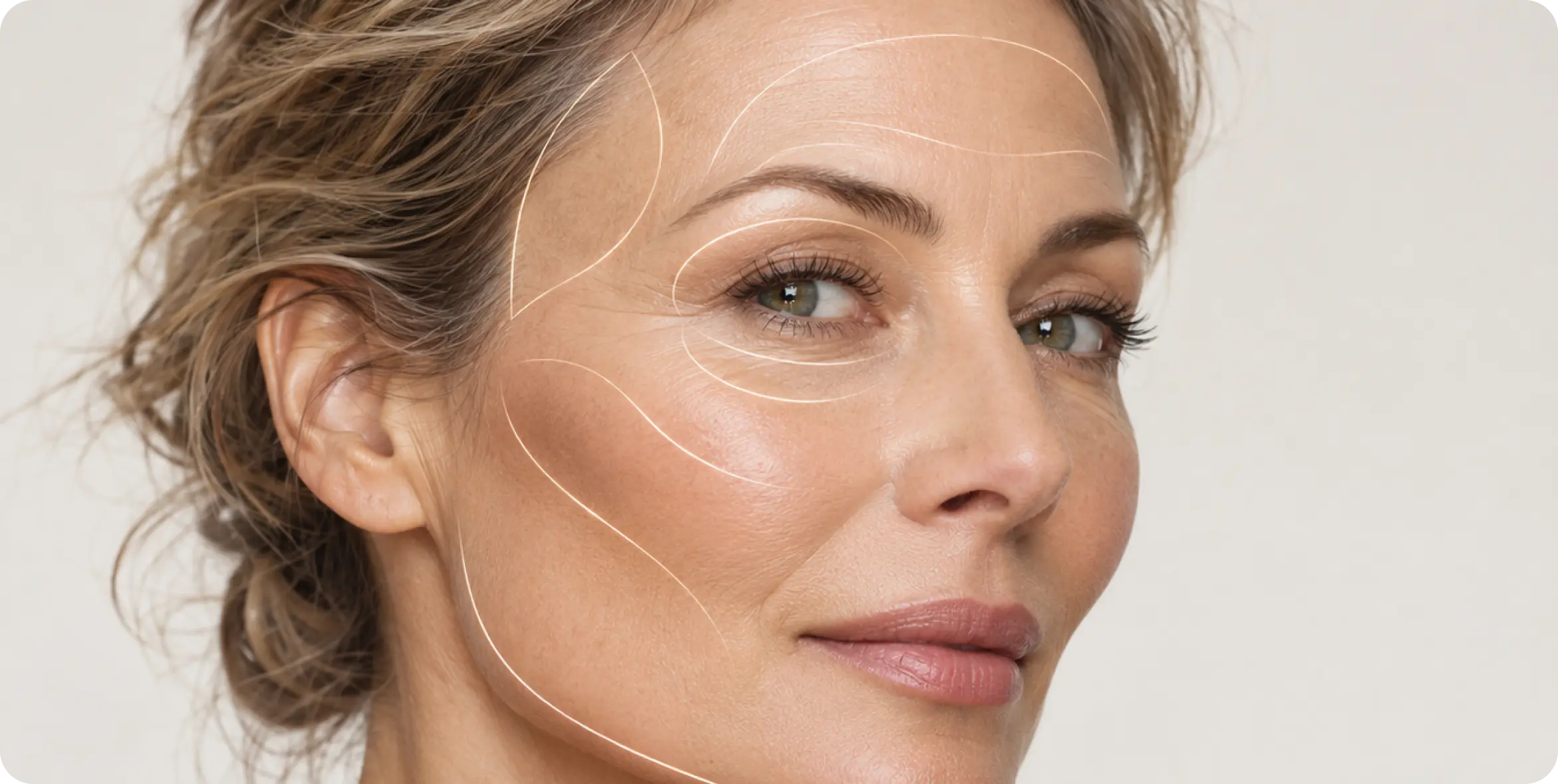
HOLLOW TEMPLES: WHY TEMPLES LOSE VOLUME AND HOW FACIAL AGING CHANGES THIS AREA
Hollow temples are the indentations that can appear at the sides of the forehead, between the outer eyebrow, hairline, and upper cheekbone. Temple hollowing can make the upper face look narrower, more angular, or more tired—even when your skin is smooth and your cheeks still have volume. This area is easy to overlook. People often […]
Author:MINDBODYFACE
290


MINDBODYFACE LLC
1021 E Lincolnway Suite 8342, Cheyenne, WY 82001
+16282892382
All services and information on this website are for educational purposes only and do not constitute medical advice or treatment -