Jul 24, 2026
•5 minutes read
•Author: MINDBODYFACE
HOW TO RESTORE SUNKEN EYES: CAUSES AND EFFECTIVE CORRECTION METHODS

Sunken eyes usually signal one thing first: volume loss. That can come from ageing, dehydration, genetics, stress, or changes in the fat and bone support around the eye socket.
The good news is that there are several ways to improve the area — from simple lifestyle changes to non-surgical treatments and deeper facial techniques. The key is matching the method to the real cause.
WHAT CAUSES SUNKEN EYES AND WHY THEY APPEAR
Sunken eyes appear when the under-eye area loses support and the tear trough becomes more visible. Ageing is a major reason: facial fat decreases over time, and the upper face has less fat to begin with, so the hollowing shows faster there.
Dehydration can make the tissues look thinner and darker, while lack of sleep often makes the eye area look more tired and deep-set. Genetics also matter; some people are simply born with a deeper eye socket or a more visible tear trough.

Structural changes add another layer. Eye socket volume loss and shifts in the soft tissue around the orbit change how light falls across the face, making the eyes look more recessed even when the person feels fine.
HOW UNDER-EYE VOLUME LOSS AFFECTS FACIAL APPEARANCE
Under-eye volume loss changes more than the eye area itself. It breaks the smooth transition between the lower eyelid, cheek, and midface, which makes the face read as tired or older.
This is one reason facial aging around the eyes is so noticeable. The under-eye zone has thin skin and a relatively small fat cushion, so even a modest loss of fat or hydration creates a visible hollow.
The effect is often disproportionate. A small deficit under the eyes can make the cheeks seem flatter, the tear trough deeper, and the entire face less rested. That is why hollow eyes correction usually has a bigger visual impact than people expect.
NATURAL WAYS TO RESTORE SUNKEN EYES AND IMPROVE EYE AREA
Natural ways to restore sunken eyes focus on reducing the factors that make hollows more visible. They do not replace lost fat, but they can improve the look of the area.
- Hydration. Dehydration is one of the simplest causes to rule out, and regular fluid intake can make the area look less dry and etched.
- Sleep. A stable sleep routine reduces the tired look that often exaggerates under-eye hollows.
- Nutrition. Protein, healthy fats, and micronutrient-rich foods support skin quality and tissue repair.
- Lymphatic drainage. Gentle drainage work can reduce puffiness around the eyes and make the contour look smoother, especially when swelling sits on top of a hollow.
- Gentle facial practices. Light release work around the brow, temple, and cheek can improve circulation and ease tension that makes the eye area look heavier.
If you want to restore volume under eyes naturally, think in terms of support, not quick correction. Better sleep, hydration, and circulation improve the canvas; they do not fully replace structural loss, but they make the area less strained.
NON-SURGICAL TREATMENT OPTIONS FOR SUNKEN EYES
When the hollow is structural, non surgical treatment for sunken eyes becomes the practical next step. The most common option is tear trough filler, which adds volume directly into the hollow and can soften the shadow under the eye.
PRP and PRF are regenerative options that aim to improve skin quality and may add subtle volume over time. They are often chosen when the concern is less about deep hollowness and more about texture and thinness.

Laser treatment and other biostimulation-based approaches can also support the area by improving collagen response and skin thickness. These methods work best when the problem is mild to moderate and the goal is gradual improvement rather than a dramatic change.
FACIAL TECHNIQUES AND METHODS FOR EYE AREA REJUVENATION
Manual techniques can help when the eye area looks sunken partly because of tension, poor drainage, or nearby facial compression. They are not a substitute for volume replacement, but they can improve how the face sits.
The most useful zones to work on are the temples, the brow line, the upper cheek, and the inner edge of the orbit. Gentle release around these areas can ease tension that pulls the eye area downward and reduces fluid movement around the lower lid.
Osteopathic and fascia-based approaches go one layer deeper. They aim to improve mobility around the orbital rim, brow, and midface, which can make the under-eye area look less collapsed when the surrounding tissues move better. This is especially useful when the eyes look sunken together with jaw tension, brow tightness, or a compressed midface.

If the face feels chronically tense, the eye area often reflects that first. That is why deep facial work usually gives better results than surface massage alone.
SUNKEN EYES BEFORE AND AFTER: WHAT RESULTS ARE POSSIBLE
Sunken eyes before and after results depend on the cause. If the issue is dehydration or poor sleep, improvement can appear in days or weeks. If the issue is fat loss or age-related eye socket volume loss, results are slower and usually more partial without an aesthetic procedure.
A realistic result is a softer tear trough, less shadowing, and a more rested look — not a completely different face. In cases where filler or PRP is used, the change can be visible but still natural.
The strongest improvements usually come from combining methods: better sleep, hydration, targeted facial work, and, when needed, a non-surgical treatment that restores actual volume. That combination addresses both the cause and the appearance.
CAN SLEEPING ON ONE SIDE CHANGE YOUR FACE? SLEEP LINES, ASYMMETRY, AND FACIAL COMPRESSION
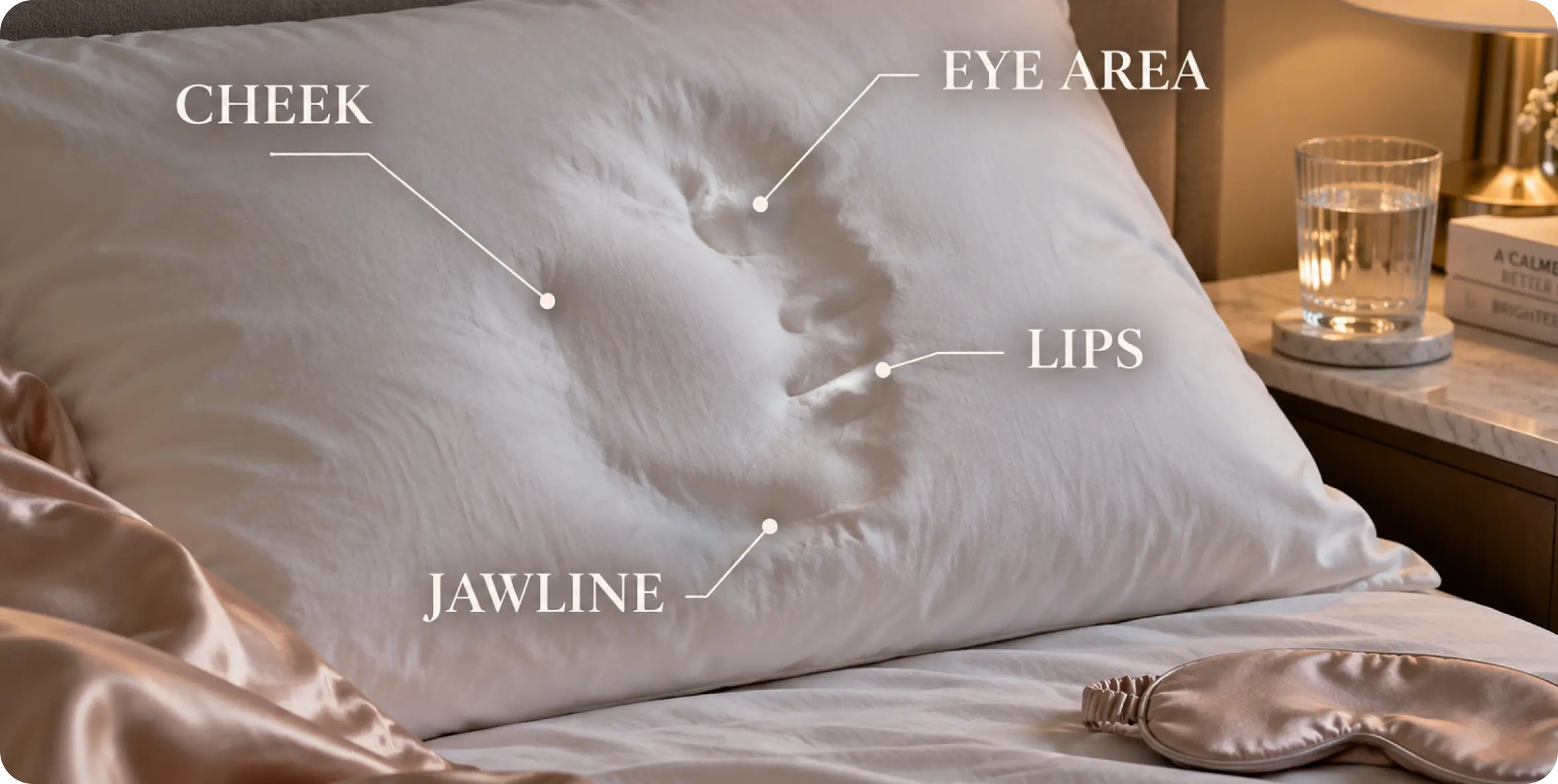
Can sleeping on one side change your face? It can temporarily change how your face looks in the morning. One cheek may seem puffier, one eye more swollen, and one side may show deeper pillow marks. Over many years, repeated pressure may contribute to sleep lines in aging skin, but side sleeping alone does not […]
Author:MINDBODYFACE
 4
4 0
0
UNEVEN SMILE: WHY ONE SIDE OF THE MOUTH SITS HIGHER AND WHAT FACIAL TENSION HAS TO DO WITH IT
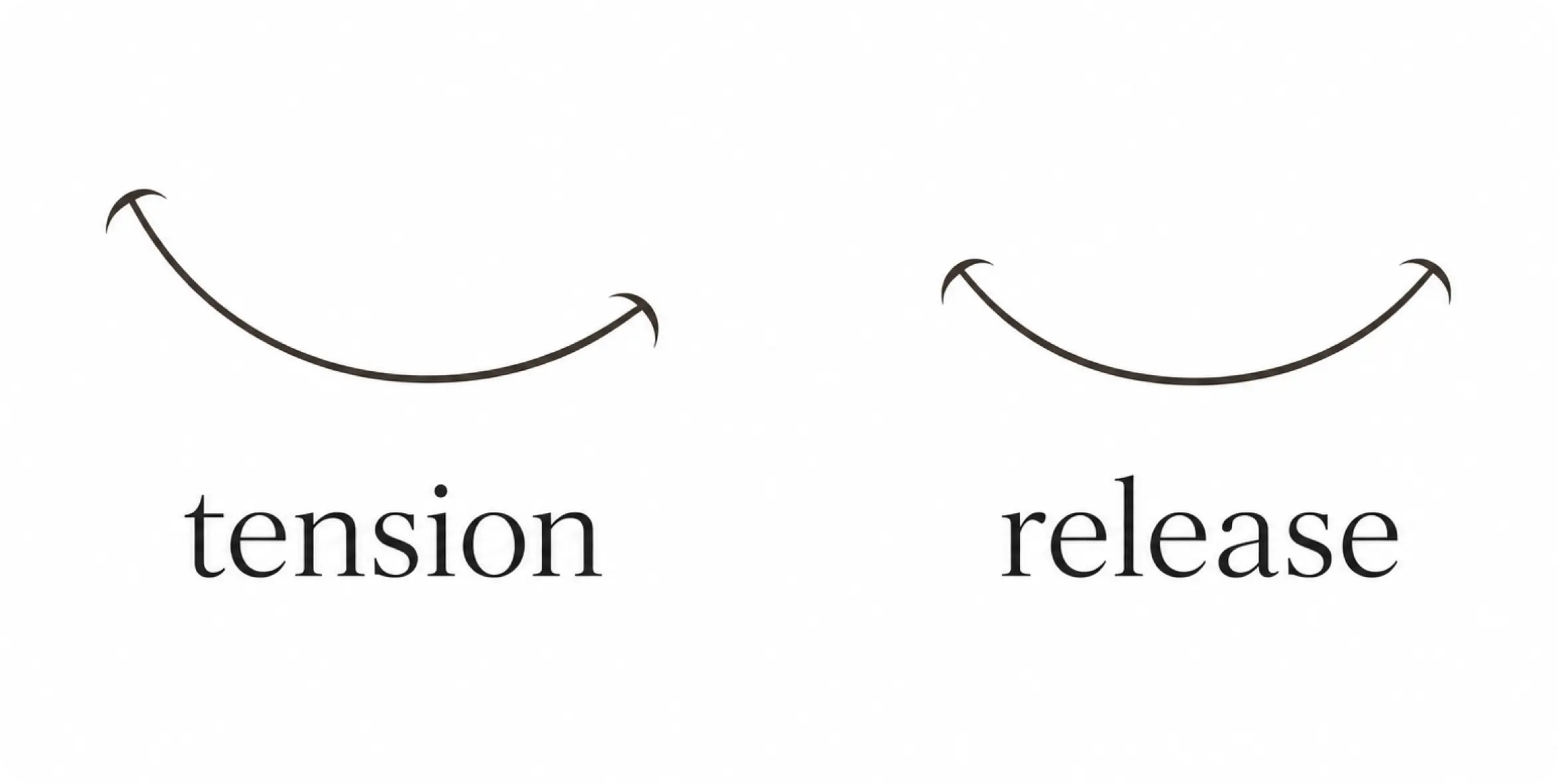
An uneven smile can be one of those details you only notice in photos or videos. One corner of the mouth lifts more. One side of the upper lip looks higher. One cheek seems to move first, while the other appears quieter or tighter. A little facial asymmetry is normal. Almost no one has a […]
Author:MINDBODYFACE
110
DIMPLED CHIN AND MENTALIS TENSION: WHY THE CHIN LOOKS UNEVEN AND HOW TO RELAX IT
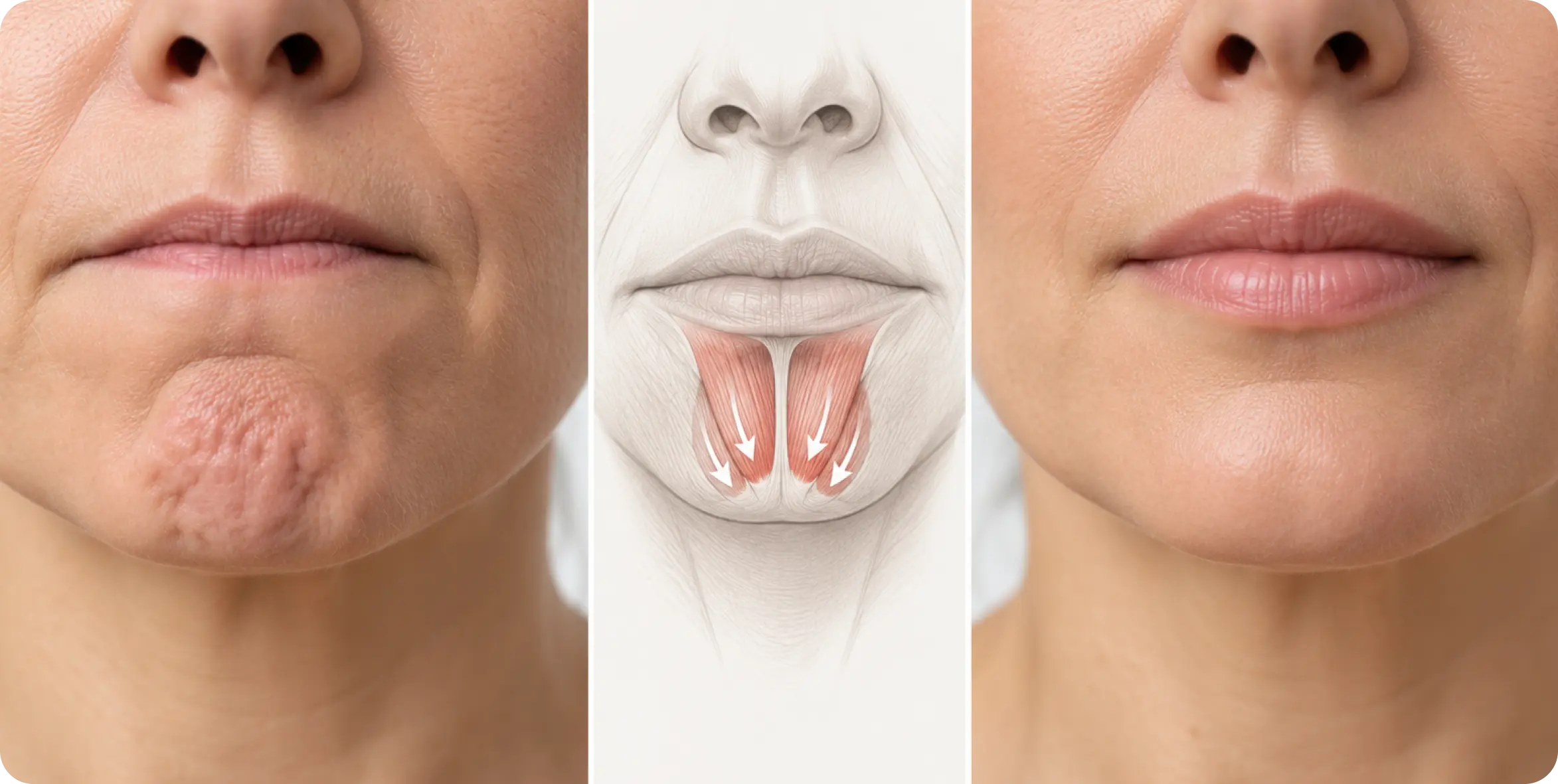
A dimpled chin can make the lower face look tense even when you are not upset. The skin may appear bumpy, gathered, or uneven when you talk, smile, concentrate, swallow, or press your lips together. For some people, this texture appears only during expression. For others, it remains visible at rest. The common reason is […]
Author:MINDBODYFACE
130
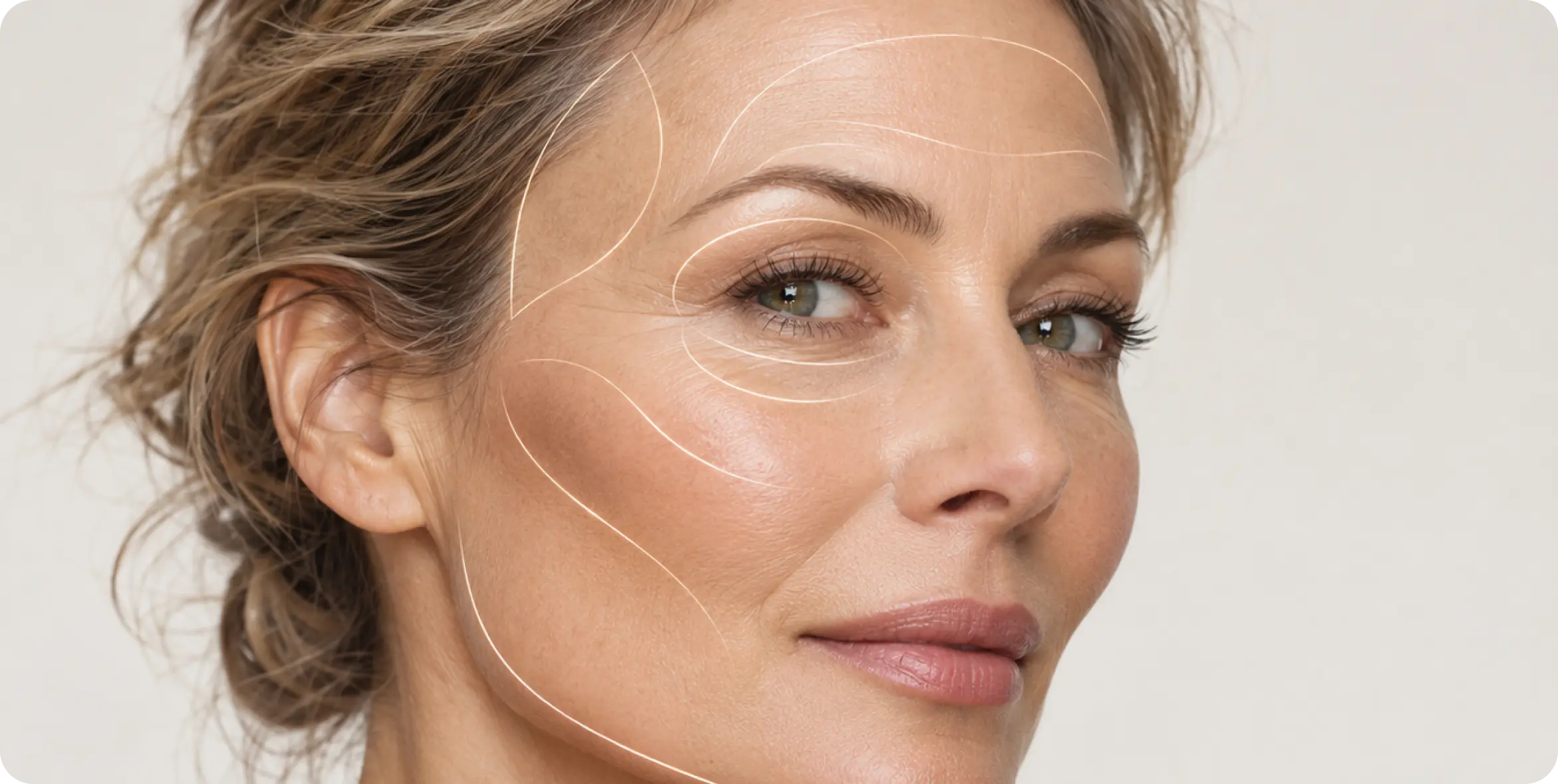
HOLLOW TEMPLES: WHY TEMPLES LOSE VOLUME AND HOW FACIAL AGING CHANGES THIS AREA
Hollow temples are the indentations that can appear at the sides of the forehead, between the outer eyebrow, hairline, and upper cheekbone. Temple hollowing can make the upper face look narrower, more angular, or more tired—even when your skin is smooth and your cheeks still have volume. This area is easy to overlook. People often […]
Author:MINDBODYFACE
220


MINDBODYFACE LLC
1021 E Lincolnway Suite 8342, Cheyenne, WY 82001
+16282892382
All services and information on this website are for educational purposes only and do not constitute medical advice or treatment -