Oct 08, 2026
•9 minutes read
•Author: MINDBODYFACE
HOLLOW TEMPLES: WHY TEMPLES LOSE VOLUME AND HOW FACIAL AGING CHANGES THIS AREA

Hollow temples are the indentations that can appear at the sides of the forehead, between the outer eyebrow, hairline, and upper cheekbone. Temple hollowing can make the upper face look narrower, more angular, or more tired—even when your skin is smooth and your cheeks still have volume.
This area is easy to overlook. People often focus on lines around the eyes, sagging cheeks, or a softer jawline, while temple volume loss quietly changes the proportions of the entire face. The forehead can look wider, cheekbones more prominent, and the transition from the brow to the cheeks less smooth.
Hollow temples are not automatically a sign of poor health. They can be part of natural facial anatomy, genetics, aging, or weight change. The question is whether the change is gradual and expected, or sudden enough to deserve medical assessment.
WHAT ARE HOLLOW OR SUNKEN TEMPLES?
Hollow temples, also called sunken temples or temple hollowing, describe a loss of fullness in the temporal area at the sides of the upper face. The temporal region sits between the outer corner of the eye, the hairline, the forehead, and the upper edge of the cheekbone.
When this area has more soft-tissue volume, it creates a smoother transition from forehead to cheek. When it loses volume, the temples can look concave or indented. The bony outline of the temple, outer eye socket, and cheekbone may appear more visible.
Temple hollowing can affect facial proportions more than people expect. A face may look less balanced when the upper third becomes narrow while the lower face still carries more volume. In photos, this can create a slightly skeletal or tired appearance, even if there are few wrinkles.
The temple is not a single empty space. It contains skin, fascia, blood vessels, nerves, muscle, and several separate fat compartments. Anatomical studies describe superficial and deeper fat layers in this area, which help create the soft contour between the forehead, eye, and cheek.

That is why the answer to “why are my temples sunken?” is rarely as simple as “you lost fat.” The visible contour reflects several layers that change in different ways over time.
WHAT CAUSES TEMPLE VOLUME LOSS?
Hollow temples causes often include natural aging, loss or redistribution of facial fat, weight loss, genetics, and changes in muscle or soft-tissue support. In some cases, previous surgery, injury, illness, or medical treatment can also affect the temple area.
The most common causes of temple volume loss include:
- Age-related thinning and reshaping of facial fat compartments
- Loss of volume in superficial or deep temporal fat
- Significant or rapid weight loss
- Genetics and naturally more angular facial anatomy
- Changes in the temporalis muscle and surrounding fascia
- Soft-tissue changes after surgery, injury, or certain medical treatments
- Overall facial fat loss related to low body fat
A longitudinal MRI study found that the superficial temporal fat compartment became thinner over time and concluded that temple hollowing mainly arose from thinning of this superficial temporal fat. Other research describes both superficial and deep temporal fat compartments, showing why one person’s hollowing may look shallow and another’s may look more sharply defined.
Temple fat loss may become more noticeable after a major change in body weight. This is why hollow temples weight loss is a common concern. When the body loses fat, it does not decide to spare the face. Some people first notice the change in the cheeks, under the eyes, or temples.
However, weight loss is not the only explanation. A person can have stable body weight and still develop temple hollowing with age because fat compartments, muscle, skin, and bone support do not age at the same rate.
WHY DO TEMPLES BECOME MORE SUNKEN WITH AGE?
Sunken temples aging is usually the result of gradual changes in facial volume and support, not a sudden collapse of one area. The upper face becomes more concave as the soft tissues thin, shift, or lose support.
With time, facial fat changes in both deep and superficial layers. Deep fat compartments help support the tissues above them. When they lose volume, the superficial tissues can descend or look less supported. In the upper face, volume loss in deep temporal fat and related compartments may contribute to a hollow temple and a lower brow position.
The bony margins around the temporal area can also become more visible as facial volume changes. The temporal line, outer eye socket, and cheekbone may look sharper, increasing the impression that the temples are sunken.
This is why temple hollowing with age often appears alongside other changes:
- A flatter or less supported upper cheek
- Hollowing around the outer eye area
- A lower or heavier-looking brow
- More visible cheekbones
- A sharper contrast between temples and a fuller lower face
- A face that looks tired despite good skin quality
When people ask, “Why are my temples sunken?” the answer may be a mix of normal aging, facial anatomy, low body fat, recent weight changes, and the way light falls across the face.

A sudden change on one side, a new painful indentation, temple tenderness, new headaches, jaw pain while chewing, vision symptoms, or unintentional weight loss should not be treated as an aesthetic problem first. Speak with a doctor promptly.
HOW HOLLOW TEMPLES CHANGE FACIAL APPEARANCE
Facial volume loss in temples can change the perceived shape of the entire face, even when the hollow itself is small. The temples are part of the bridge between the forehead, eye area, cheekbones, and hairline. When that bridge loses fullness, the upper face can look narrower and more angular.
This is why hollow temples before and after photos can be misleading. Different lighting, head angle, body weight, hairstyle, makeup, and facial expression may make the same temples appear dramatically different. A side light can deepen the shadow; direct front light can make the area look almost smooth.
Still, real volume loss can change facial balance. Temple hollowing may make the cheekbones look wider by comparison. It can create a sharper transition from forehead to face and make the eyes look more recessed. In some people, it adds an elegant sculpted effect. In others, it creates a tired or gaunt appearance.
There is no universally “correct” temple shape. A naturally lean, angular face can be healthy and attractive. The concern becomes relevant when the change feels sudden, creates a mismatch with the rest of the face, or affects how you recognize yourself in photographs.
The face is not a collection of separate zones. A hollow temple can make someone focus on their cheeks, but adding volume to the cheeks alone may not create balance. In the same way, treating the temples without considering the forehead, brows, eye area, cheeks, jawline, and neck can create a result that looks disconnected.
CAN HOLLOW TEMPLES BE IMPROVED NATURALLY?
How to improve hollow temples naturally starts with realistic expectations: natural methods cannot fully restore lost structural volume in the temple area. If fat compartments have thinned significantly, massage and facial exercise will not replace them in the same way that an injectable or fat-transfer procedure can.
Still, non-invasive care can support how the upper face looks and feels. The goal is not to “fill” the temples with exercises. It is to reduce strain around the forehead, temples, jaw, and neck, support skin quality, and avoid making a volume loss look harsher through tension or poor posture.
Try a supportive routine:
- Protect the face and temples with broad-spectrum sunscreen daily
- Keep body weight stable if rapid weight changes make facial hollowing more noticeable
- Eat enough protein and maintain an adequate, varied diet
- Sleep consistently and address chronic stress, which can make the face look more tired
- Check whether you clench the jaw or tense the temples during screen work
- Take regular visual and movement breaks
- Use gentle massage around the temples, cheeks, and scalp
- Work on neck position and posture rather than pushing the chin forward
- Avoid aggressive temple massage, suction devices, or tools that cause pain or bruising
If you want to know how to make temples look fuller naturally, think in terms of visual support rather than permanent added volume. Better hydration, skin protection, less swelling around the eyes, a relaxed forehead, and softer jaw tension can make the upper face look fresher. Hairstyle, makeup placement, and lighting can also change the appearance of temple shadows.

Use caution with intense chewing exercises. The temporalis muscle sits under the temporal fascia and is involved in chewing. If you clench or grind your teeth, training the jaw harder may increase tension and headaches rather than improve the appearance of the temples.
FACIAL OSTEOPATHY AND THE TEMPLE AREA
A facial osteopathy approach to the temple area does not replace lost fat, but it may support comfort and movement in the tissues around the temples, forehead, jaw, neck, and upper face. This approach looks beyond one hollow spot and considers how jaw tension, posture, breathing, facial expressions, and neck mobility affect the way the face holds itself.
For example, temple tension may increase when you clench your jaw, squint at a screen, raise your brows, or carry the head forward. Gentle work with the temporalis area, scalp, forehead, cheeks, and neck may help you notice these patterns and release some unnecessary bracing.
This is not a medical treatment for sudden temple hollowing, significant weight loss, temporal arteritis, or a painful new change in facial contour. It is a form of self-care that may complement medical assessment and an evidence-based skincare routine.
A hollow temple is not a flaw you need to fight. But if you no longer recognize the balance of your face, start with an honest question: is this a normal gradual change, a result of recent weight loss, a tension pattern, or something that needs medical attention? That answer will guide you better than any before-and-after photo.
LIP LINES AND SMOKER’S LINES: CAUSES AND NATURAL WAYS TO SOFTEN THEM
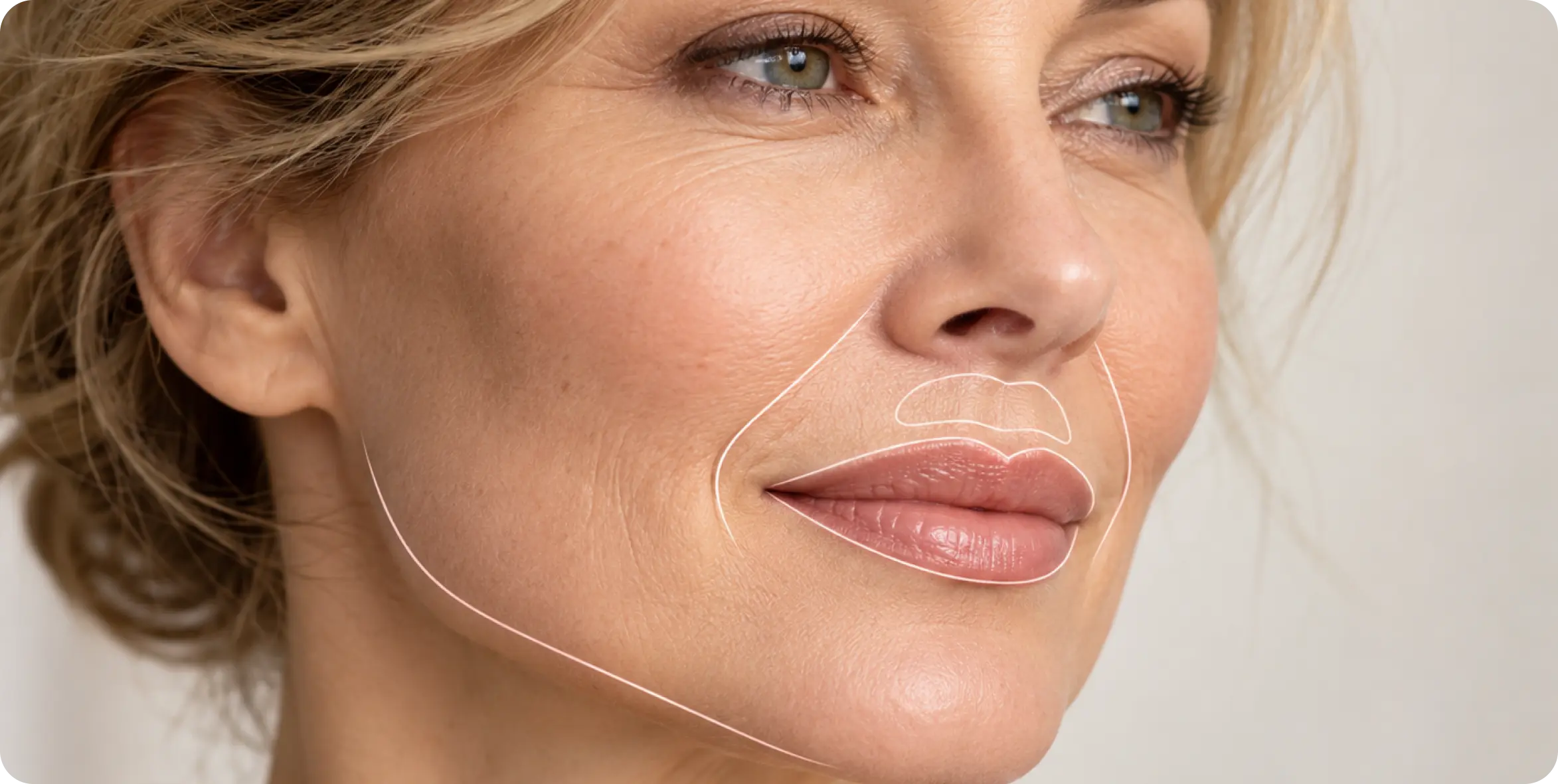
Lip lines are the fine vertical creases that appear on and above the upper lip. They are often called smoker’s lines, but smoking is only one possible cause. Sun exposure, natural skin aging, repeated mouth movements, dryness, genetics, and changes in the tissues around the mouth can all make vertical lip lines more visible. These […]
Author:MINDBODYFACE
 2
2 0
0

FACIAL REJUVENATION AFTER 45: PROCEDURES THAT MAY NOT BE WORTH IT
Facial rejuvenation after 45 works best when the treatment matches the actual change you want to address. The useful question is not which option is “best,” but whether a procedure can deliver enough benefit to justify its cost, recovery, maintenance, and possible complications. Many facial rejuvenation procedures after 45 are marketed as universal solutions. Yet […]
Author:MINDBODYFACE
120
ENHANCING THE NATURAL BEAUTY OF THE LIPS WITHOUT AUGMENTATION
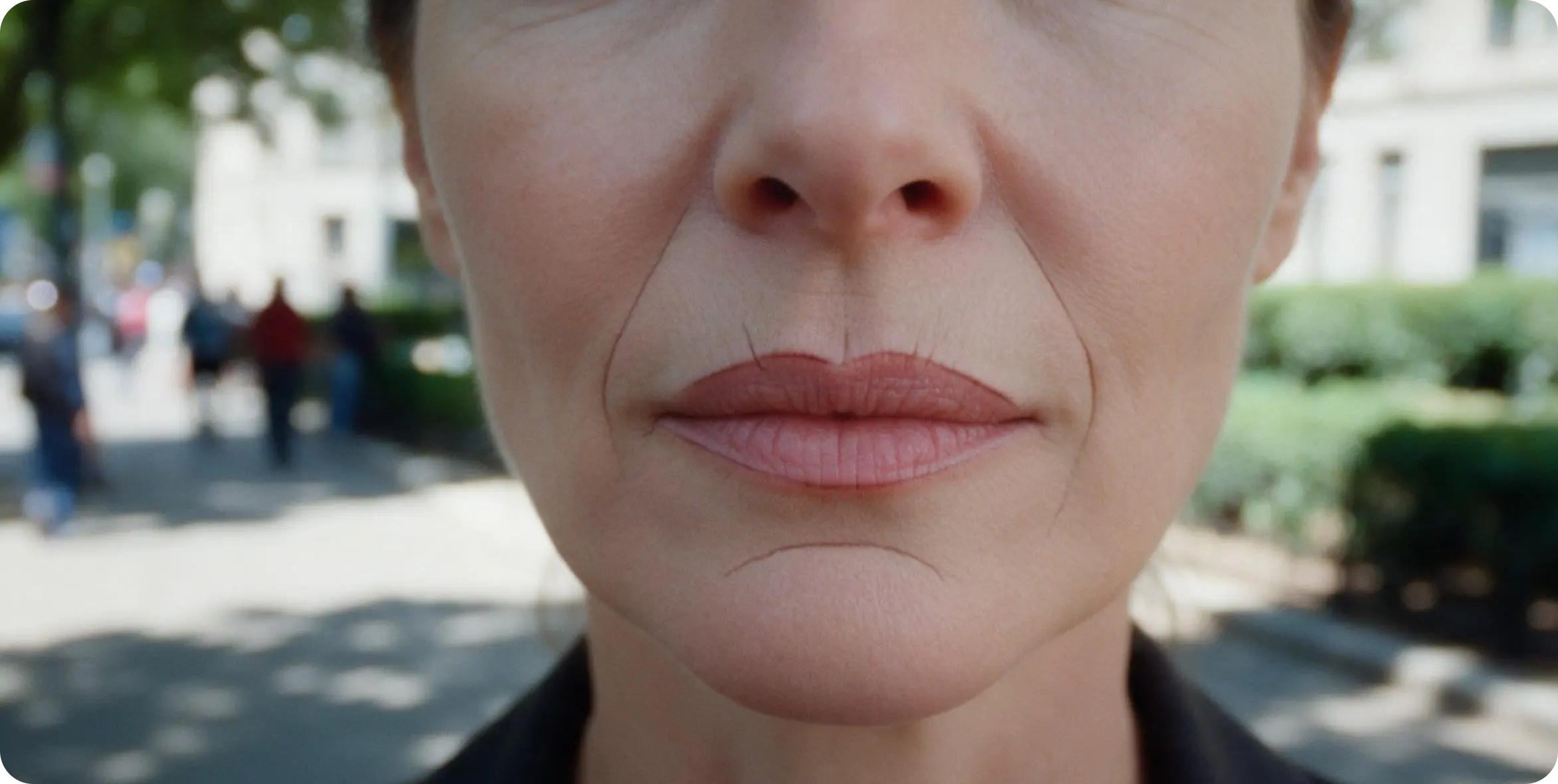
Natural lip enhancement will not give you a new mouth. It can help your existing lips look smoother, healthier, more defined, and less compressed – without fillers, injections, or harsh “plumping” tricks. The visible difference usually comes from simple things: a stronger lip barrier, daily UV protection, less dryness, a relaxed jaw, and skin around […]
Author:MINDBODYFACE
110


MINDBODYFACE LLC
1021 E Lincolnway Suite 8342, Cheyenne, WY 82001
+16282892382
All services and information on this website are for educational purposes only and do not constitute medical advice or treatment -