Sep 23, 2026
•10 minutes read
•Author: MINDBODYFACE
FACIAL REJUVENATION AFTER 45: PROCEDURES THAT MAY NOT BE WORTH IT

Facial rejuvenation after 45 works best when the treatment matches the actual change you want to address. The useful question is not which option is “best,” but whether a procedure can deliver enough benefit to justify its cost, recovery, maintenance, and possible complications.
Many facial rejuvenation procedures after 45 are marketed as universal solutions. Yet a treatment that suited someone at 32 may be a poor fit at 48. Facial aging affects several layers at once: skin loses elasticity, fat pads shift, bone support changes, muscles may hold more tension, and the neck increasingly affects how the lower face is perceived.
Adding volume, tightening skin, or resurfacing aggressively without understanding those layers can leave the face looking heavier, irritated, or less recognizable. You do not need every procedure offered to you. You need an approach that suits your anatomy, health, and idea of what still looks like you.
HOW THE FACE AND SKIN CHANGE AFTER 45
Anti-aging treatments after 45 need to account for more than fine lines. The face can change in skin texture, pigmentation, volume, tissue position, bone support, muscle activity, and neck contour.
Skin often becomes drier and less resilient. Fine lines may stay visible even when the face is at rest. Uneven pigmentation may become more noticeable after years of sun exposure. During perimenopause and menopause, lower estrogen levels can affect collagen production, hydration, elasticity, and skin thickness.
Research indicates that skin collagen may decrease by up to 30% during the first five years after menopause. After that, collagen loss may continue at an average rate of around 2% per postmenopausal year for up to 15 years. Individual patterns vary, but this helps explain why some women notice faster facial changes through their late forties and fifties.
Volume changes do not happen evenly. Temples may hollow. Cheeks can flatten or descend. The under-eye area may look darker. The jawline may lose definition. The neck can also become more visually prominent, especially when skin laxity, platysmal bands, or tissue descent develop.
That is why procedures for aging skin should be chosen according to the problem they can actually treat. And why cosmetic procedures for mature skin should start with an assessment rather than a package of treatments.
Each concern needs its own strategy:
- Dryness and rough texture may respond to barrier care and daily UV protection
- Pigmentation needs a diagnosis and a plan that controls inflammation and sun exposure
- Hollowing may justify a careful discussion of volume restoration
- Significant laxity cannot be lifted meaningfully with skincare alone
- Jaw clenching, neck tension, and posture can affect how heavy or tired the lower face appears
- Deep folds and jowls usually involve tissue descent, not only surface wrinkles

No device, injectable, or skincare product can reverse every layer of facial aging at once.
FACIAL REJUVENATION PROCEDURES THAT MAY NOT BE WORTH IT AFTER 45
Facial treatments to avoid after 45 are not universally harmful. They become poor value when the expected benefit is small, the upkeep is endless, or the procedure does not match the anatomical problem.
The main facial rejuvenation risks do not come from age alone. They arise when a person receives a procedure that cannot solve their concern, is performed too aggressively, or is repeated without reassessing the face as a whole.
Repeated filler for sagging
Dermal filler can restore volume in selected areas. It is less useful when it is repeatedly added to lift jowls, chase deep folds, or compensate for a heavy lower face.
If the real issue is tissue descent, loose skin, or neck laxity, more filler can broaden the mid-face and create a puffy or overfilled result without improving tissue position. This is one of the anti-aging procedures risks that often becomes clearer only after multiple sessions.
Filler also carries medical risk. The FDA warns that unintentional injection into a blood vessel may block blood flow and lead to skin necrosis, visual impairment or blindness, stroke, and rarely death.
Aggressive skin-tightening schedules
Radiofrequency, ultrasound, laser, and other energy-based options can improve texture and mild laxity in some patients. But skin tightening after 45 does not reproduce the effect of surgery when excess skin or major tissue descent is present.
Too many treatments, high settings, or poor technique can lead to persistent swelling, irritation, pigment changes, scarring, uneven texture, or unwanted facial fat loss. The risk depends on the device, settings, provider training, skin type, and treatment zone.
Be cautious with “lifting without surgery” claims. Ask what degree of lift the provider expects in your particular face. Request examples taken after full healing, not immediately after treatment.
Strong peels and unnecessary resurfacing
Chemical peels and laser resurfacing can improve rough texture, fine lines, and some forms of pigmentation. Mature skin may need preparation, a longer recovery period, and a gentler protocol.
A peel that is too strong can lead to prolonged redness, post-inflammatory pigmentation, infection, scarring, and delayed healing. The appropriate intensity depends on your skin type, sun exposure, medications, history of pigment changes, and ability to follow aftercare.
Trend-led treatments without diagnosis
Thread lifts, fat-dissolving injections, aggressive facial massage, buccal fat removal, and unregulated at-home devices are often marketed as universal solutions. They are not.

Each intervention affects a different tissue layer: fat, skin, muscle, connective tissue, or bone-adjacent support. A poor diagnosis can produce a result that disappoints immediately or ages badly over time. Choose a treatment because a qualified clinician has explained why it fits your facial anatomy and stated goal—not because it is everywhere on social media.
RISKS OF FACIAL LIFTING AND SKIN TIGHTENING PROCEDURES
Facial lifting procedures after 45 may improve jowls, loose skin, lower-face heaviness, and some neck concerns—but they cannot correct every sign of aging at once.
A facelift can reposition selected facial and neck tissues. It does not automatically restore hollow temples, erase every wrinkle, or fully repair sun-damaged skin texture. Combining procedures can be appropriate if several concerns need treatment. It also increases the length of surgery, recovery demands, and the number of possible complications.
The key risks of aesthetic treatments involving surgical lifting can include:
- Bleeding and hematoma
- Infection
- Scarring or delayed wound healing
- Numbness or persistent changes in sensation
- Nerve injury affecting facial movement
- Hairline changes or hair loss around incision sites
- Skin loss when blood supply is compromised
- Asymmetry or an unnaturally pulled appearance
- Revision surgery
Smoking, nicotine vaping, poorly controlled health conditions, blood-thinning medication, and prior procedures can increase risk. A careful surgeon may recommend postponing surgery, stopping nicotine well in advance, or choosing another option.
Non-surgical procedures still require serious risk disclosure. Injectable fillers can cause vascular occlusion, while heat-based devices can cause burns, pigment changes, scarring, or unintended fat loss when poorly selected or used incorrectly.
You do not need to approach every procedure with fear. But you need to understand the realistic outcome, known complications, recovery length, and the provider’s emergency plan before consenting.
ARE NON-SURGICAL FACIAL REJUVENATION TREATMENTS ALWAYS THE BEST CHOICE?
Non-surgical facial rejuvenation can be worthwhile when the goal is modest and specific. It is not automatically safer, cheaper, or more appropriate simply because there is no incision.
A carefully chosen treatment may improve mild lines, uneven tone, early volume loss, dry skin, or facial tension. Facial rejuvenation without surgery can also be a reasonable path if you want gradual improvement rather than a structural lift.
However, the best approach always depends on the concern.
| Goal | A non-surgical option may help when… | Reset expectations when… |
| Fine lines and texture | The concern is mild and the skin barrier is healthy | Lines are deep, skin is very thin, or sun damage is extensive |
| Pigmentation | A dermatologist has identified the cause and created a plan | Melasma, inflammation, or daily UV exposure remains uncontrolled |
| Mild volume loss | A small amount of carefully placed volume would restore balance | Puffiness or lower-face heaviness is already a concern |
| Jawline definition | Laxity is mild, or swelling and muscle tension contribute to the look | Jowls, loose skin, and neck changes are pronounced |
| General freshness | Sleep, skincare, posture, and tension affect the face | The desired result is equivalent to a surgical lift |
The best facial rejuvenation treatments over 45 are rarely the newest device or the most expensive package. They are the treatments that fit your anatomy, health, budget, tolerance for downtime, and idea of what it means to still look like yourself.
WHAT TO CONSIDER BEFORE CHOOSING AN ANTI-AGING PROCEDURE
Facial rejuvenation procedures after 45 should begin with a plain-language description of what you want to change. “I look tired” can mean under-eye hollowing, pigmentation, poor sleep, mid-face descent, puffiness, facial tension, or several of these at once.
A procedure can only work if it treats the right cause. This is where both facial rejuvenation risks and anti-aging procedures risks should be discussed openly—not hidden behind promises of “natural” results or short recovery.
A good consultation with a dermatologist, plastic surgeon, or appropriately trained medical clinician should include:
- Skin quality, hydration, pigmentation, and healing history
- Facial proportions, volume changes, and tissue position
- Asymmetry and muscle activity
- The jawline, neck, and degree of skin laxity
- General health history, medications, and allergies
- Smoking, vaping, or nicotine use
- Previous fillers, energy treatments, surgery, or complications
- Your tolerance for swelling, bruising, downtime, repeat procedures, and uncertainty
Ask direct questions:
- What is causing the concern I see: skin, muscle, fat, volume loss, bone support, or tissue descent?
- What will this procedure improve, and what will remain unchanged?
- How long does the result usually last?
- Which side effects are expected, and which complications require urgent care?
- What does recovery look like after one week, one month, and three months?
- How often do your patients need repeat treatment or revision?
- What can be done if I dislike the result?
- Which lower-risk options could address the same concern?
Do not underestimate recovery. A treatment promoted online as “lunchtime” may still involve swelling, bruising, irregularity, discomfort, or social downtime that lasts longer than the marketing suggests.
Decide whether you want a visible structural change or a gradual refinement. Both are valid. Problems arise when a dramatic expectation is attached to a subtle procedure—or when repeated subtle procedures create significant cost, complication risk, and an increasingly artificial result.
NATURAL FACIAL REJUVENATION AFTER 45: ALTERNATIVES TO CONSIDER
Natural facial rejuvenation after 45 will not replace every cosmetic intervention, but it can improve skin quality, puffiness, tension, and the way the face carries itself.
A practical approach includes more than facial skincare. Your face does not exist separately from your sleep, neck, posture, jaw, breathing, and daily stress level. If the neck is tight, shoulders round forward, the jaw clenches, and sleep is poor, the lower face can look heavier and the eyes more tired.
A sensible facial rejuvenation without surgery foundation can include:
- Daily broad-spectrum sunscreen
- Gentle cleansing and barrier-supporting skincare
- Adequate protein, hydration, and regular movement
- Strength training and walking to support muscle, circulation, and posture
- Better sleep and treatment for persistent stress or insomnia
- Neck mobility and postural work
- Jaw release and awareness of facial muscle tension
- Gentle facial massage when it feels comfortable
- Assessment and treatment of allergies, chronic nasal congestion, snoring, or sleep-disordered breathing that may worsen poor sleep and morning puffiness

Natural facial care is not about proving that you can age without help. It is about making choices you understand, treating your face with less aggression, and deciding that a fresher expression matters more than chasing someone else’s before-and-after.
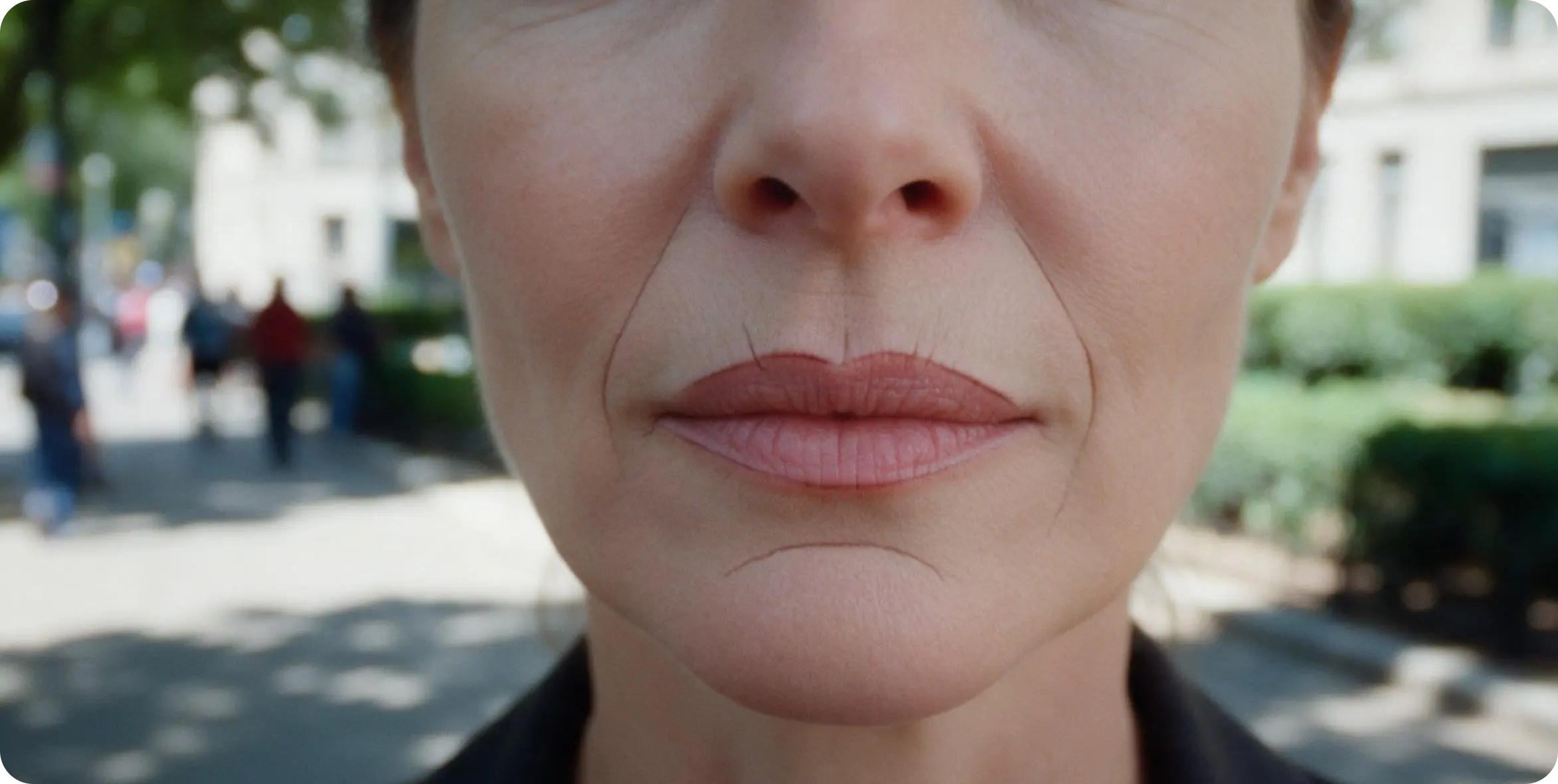
ENHANCING THE NATURAL BEAUTY OF THE LIPS WITHOUT AUGMENTATION
Natural lip enhancement will not give you a new mouth. It can help your existing lips look smoother, healthier, more defined, and less compressed – without fillers, injections, or harsh “plumping” tricks. The visible difference usually comes from simple things: a stronger lip barrier, daily UV protection, less dryness, a relaxed jaw, and skin around […]
Author:MINDBODYFACE
 1
1 0
0
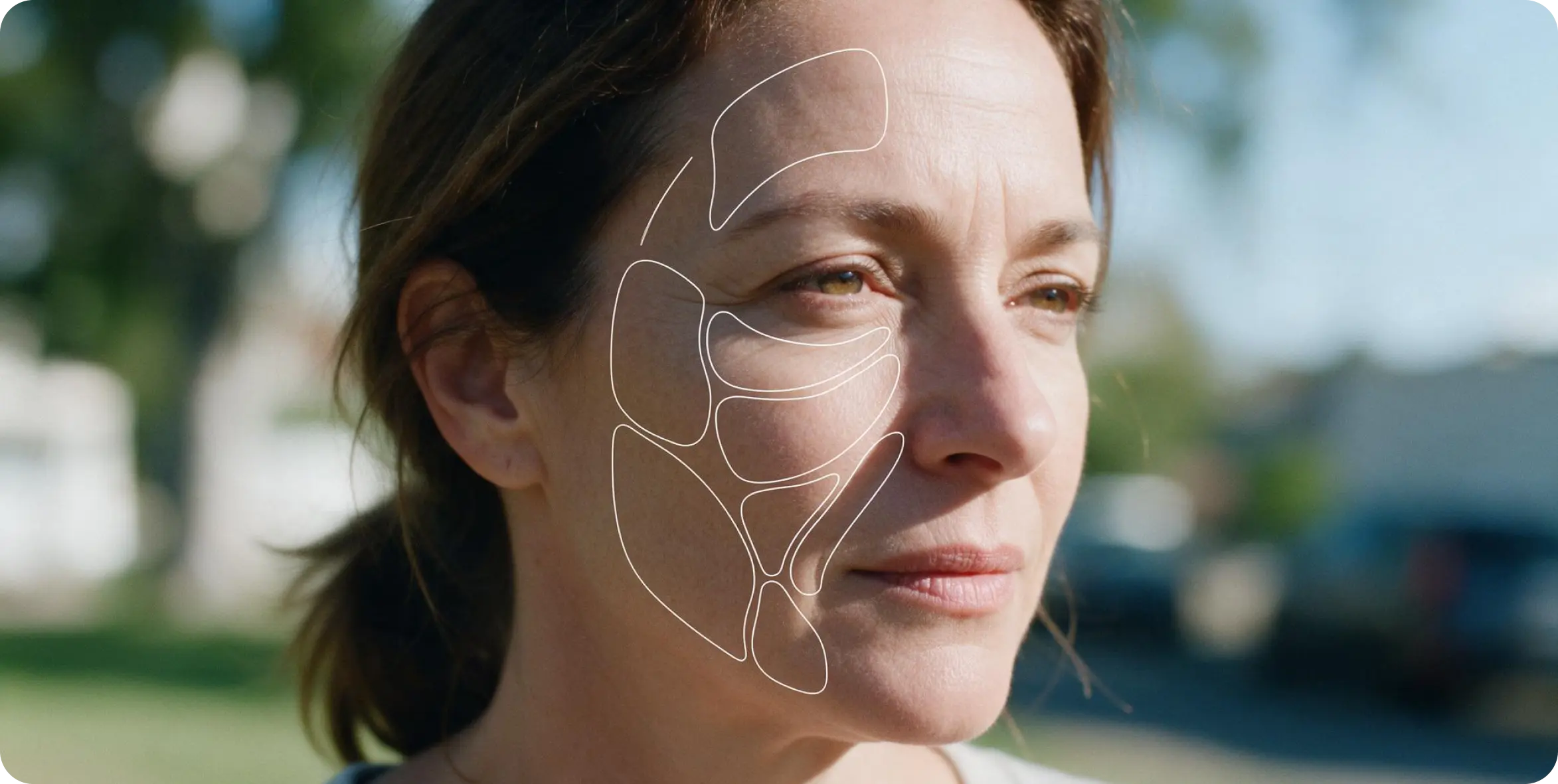
FACIAL FAT GRAFTING: ARE THE POTENTIAL RISKS TOO HIGH?
Facial fat grafting risks are not automatically “too high,” but this is a surgical procedure with an unpredictable aesthetic outcome and a small risk of severe complications. For the right patient, treated conservatively by an experienced surgeon, facial fat transfer can restore volume in hollow areas. For someone seeking a perfectly controllable result, a dramatic […]
Author:MINDBODYFACE
60

PLATYSMAL BANDS: WHY VERTICAL NECK BANDS APPEAR AND WHAT YOU CAN DO NATURALLY
Platysmal bands are the vertical cords that may appear across the front or sides of the neck when you speak, grimace, turn your head, lift your chin, or tighten your lower face. These neck bands can become obvious in photographs first: your face still looks familiar, while the neck suddenly appears more strained, heavier, or […]
Author:MINDBODYFACE
50


MINDBODYFACE LLC
1021 E Lincolnway Suite 8342, Cheyenne, WY 82001
+16282892382
All services and information on this website are for educational purposes only and do not constitute medical advice or treatment -