Nov 04, 2026
•9 minutes read
•Author: MINDBODYFACE
MEWING: DOES IT ACTUALLY WORK? WHAT TONGUE POSTURE CAN AND CANNOT CHANGE

Does mewing work? There is no convincing clinical evidence that it permanently reshapes the jawline, corrects facial asymmetry, or changes adult facial bones. Resting your tongue comfortably is different from pressing it forcefully against the palate in an attempt to sculpt your face.
What is mewing, then? It is an online trend built around tongue placement, usually presented as a way to create a sharper jawline without orthodontics or surgery. The appeal is understandable: no appointments, no injections, and plenty of impressive photographs.
But can mewing change your face in the way those photographs suggest? A change in pose or muscle activity is not the same as a change in bone structure. Knowing the difference can save you months of effort and unnecessary jaw tension.
WHAT IS MEWING AND HOW DOES IT WORK?
Mewing is the practice of flattening the tongue against the roof of the mouth with the aim of improving facial appearance. The name comes from orthodontist John Mew, whose ideas about oral posture became associated with the trend.
The theory suggests that sustained tongue pressure encourages the upper jaw to develop differently and makes the lower face more defined. Online versions often add closed lips, nasal breathing, a lifted head position, and deliberate jaw placement.
There is a real relationship between oral function and dental development. Abnormal tongue pressure against the teeth can contribute to alignment problems. That does not establish that self-directed tongue pressing can safely produce a more attractive jaw.
The “correct tongue posture face” idea is better understood as a question of comfortable oral function, not a universal beauty formula. Natural resting posture should not require clenched teeth, a strained chin, or difficulty breathing.

Likewise, the tongue posture – jawline connection needs perspective. Your tongue is part of a system involving the teeth, jaws, lips, airway, and swallowing muscles. Changing one element without assessment does not give you precise control over the others.
DOES MEWING ACTUALLY CHANGE YOUR JAWLINE?
Does mewing work as a permanent jaw-sculpting method? Current evidence does not support that claim. The American Association of Orthodontists states that research does not demonstrate benefits for jawline definition from mewing.
A “mewing jawline” may look sharper in a photograph because the person has changed head position, closed the mouth, moved the jaw, or altered the muscles beneath the chin. The visible difference can be real while the explanation is wrong: an immediate contour change is not evidence of skeletal remodeling.
Does mewing change jawline structure during adolescence? Growing faces change naturally, making personal before-and-after comparisons especially difficult to interpret. Genetics, puberty, dental development, weight changes, and orthodontic treatment can all affect the result.
Can mewing change your face by improving symmetry? There is no reliable evidence that tongue placement alone corrects unequal jaw growth, dental asymmetry, or differences in facial nerve function. Forcing pressure toward one side is not a safe substitute for assessment.
The distinction matters. Feeling your tongue on the palate is not inherently a problem. Treating it as an unsupervised way to move teeth or reshape your jaws is a different proposition.
MEWING BEFORE AND AFTER: WHAT RESULTS CAN YOU REALISTICALLY EXPECT?
Mewing before and after photographs cannot establish that tongue posture caused a structural change. Most online comparisons lack standardized photography, independent assessment, and information about other treatments.
Apparent mewing results can reflect:
- A different camera distance or lens
- More flattering lighting and stronger shadows
- Changes in head angle or neck position
- Weight loss or gain
- Normal growth between photographs
- Facial hair, makeup, editing, or filters
- Different facial expressions or deliberate jaw positioning
- Dental treatment that is not mentioned
A teenager photographed several years apart is not a controlled experiment. Nor is an adult who loses weight while also changing exercise, grooming, and posture.
To evaluate a mewing jawline claim, ask what was measured. Was there a dental examination? Were bone changes documented? Were the photographs taken under comparable conditions? A testimonial can describe someone’s experience, but it cannot separate these influences.

Clinical guidance remains consistent: substantial, lasting changes to teeth or jaw alignment require an appropriate treatment plan, not a social-media challenge.
HOW TO MEW CORRECTLY: UNDERSTANDING NATURAL TONGUE POSTURE
The safest answer to how to mew correctly is to separate comfortable resting posture from forceful cosmetic training. There is no validated home protocol that guarantees a sharper jawline.
A general description of relaxed oral posture includes:
- A tongue resting comfortably rather than pushing against the teeth
- Lips that can meet without visible strain
- A jaw that is not clenched
- Teeth that are not held tightly together
- Easy breathing without breath-holding or deliberate restriction
For many people, the tongue tip can rest lightly behind the upper front teeth without pressing into them. Do not force the entire tongue upward if doing so creates pain, gagging, restricted breathing, or tension through the throat.
The “correct tongue posture face” search often encourages people to monitor their mouths all day. Rest should not become another workout. If you need constant effort to hold a position, stop and ask why it is uncomfortable.
A tongue posture–jawline routine should never require pushing the lower jaw forward or biting down. If your lips cannot close comfortably, your nose is regularly blocked, or you struggle with swallowing or speech, seek professional advice. An orthodontist can assess resting tongue position and refer to another clinician when needed.
MEWING FOR ADULTS: CAN TONGUE POSTURE CHANGE FACIAL STRUCTURE?
Mewing for adults has no demonstrated ability to produce the controlled jaw or bone changes advertised online. Adult bone remains biologically active, but that does not mean tongue posture can direct it into a new facial shape.
Orthodontic treatment uses planned forces, appliances, monitoring, and an individualized diagnosis to move teeth. Some jaw discrepancies require other approaches, including surgery. These are not equivalent to holding the tongue in one position.
Orofacial myofunctional therapy is different again. It addresses assessed problems involving the tongue, lips, swallowing, and oral muscle patterns. For example, a speech-language pathologist may use it for tongue thrust, where the tongue pushes against the teeth during swallowing, speech, or rest.
Can mewing change your face if it improves oral habits? Greater awareness may help you notice clenching or uncomfortable lip closure. That is a possible behavioral benefit, not proof of a structural cosmetic effect.
Does mewing change jawline appearance enough to justify months of deliberate pressure? There is no evidence-based promise to make. A professional assessment is more useful when the concern involves bite, chewing, dental alignment, or a jaw that feels uncomfortable.
MEWING RISKS AND POSSIBLE SIDE EFFECTS
Mewing risks mainly concern attempts to force the tongue, teeth, or jaw into an unnatural position. Gentle resting contact is not the same as pushing hard for hours.
Possible mewing side effects include:
- Jaw aching or increased facial tension
- Worsening symptoms of a temporomandibular joint disorder
- Pressure or discomfort around the teeth
- Unwanted changes in tooth alignment or bite
- Difficulty speaking comfortably
- Strain during chewing or swallowing
The American Association of Orthodontists warns that uneven or excessive tongue pressure may disrupt tooth alignment and contribute to bite problems, jaw pain, or speech difficulties. Cleveland Clinic also cautions that mewing can worsen jaw tension and existing TMJ disorders. These warnings do not mean everyone who tries it will develop complications, but the risks should not be dismissed.
Stop self-directed exercises if your jaw hurts, your bite feels different, teeth become sensitive, or speaking and swallowing become harder. Do not try to “balance” the problem by applying more pressure on the opposite side.

If you wear braces, retainers, or another dental appliance, discuss any proposed oral exercise with your treating clinician. An online routine should not interfere with a monitored treatment plan.
MEWING VS. FACE YOGA: KEY DIFFERENCES
Mewing vs face yoga is a comparison between two different practices, neither of which should be presented as a proven way to reshape facial bones.
| Aspect | Mewing | Face yoga |
| Main technique | Deliberate tongue placement against the palate | Facial movements, relaxation, breathing, and sometimes massage |
| Typical claim | Sharper jawline or altered facial structure | A fresher appearance, better muscle awareness, or softer-looking lines |
| Evidence limitation | No convincing evidence of predictable jaw reshaping | Limited and varied evidence for cosmetic rejuvenation |
| Main precaution | Avoid tongue pressure, jaw forcing, and clenching | Avoid painful, exaggerated, or repetitive contractions |
Facial exercise reviews have found that the evidence is insufficient for firm cosmetic conclusions. Even where modest appearance changes are reported, they do not demonstrate permanent skeletal remodeling.
Mewing results should therefore not be used to validate face yoga or the reverse. A practice may feel relaxing or improve awareness without delivering the structural outcome advertised.
WHAT CAN ACTUALLY HELP IMPROVE JAWLINE DEFINITION?
The useful alternative to chasing a mewing jawline is identifying what makes your jawline look less defined. Bone structure, chin projection, body-fat distribution, skin laxity, head position, and dental alignment require different discussions.
Start with these distinctions:
- If the concern involves your bite, teeth, chewing, or jaw pain, see a dentist or orthodontist.
- If you struggle with tongue movement, swallowing, or lip closure, ask whether functional assessment is appropriate.
- If the concern is skin texture or laxity, discuss realistic skincare and treatment options with a dermatologist.
- If you habitually push your head toward a screen, work on comfortable movement and workstation habits rather than forcing your chin into a pose.
Can mewing change your face? Not in the predictable, permanent way its strongest claims suggest. Mewing for adults is not a substitute for treatment of a bite problem or a reliable method of reducing loose skin.
For a gentler self-care routine, MindBodyFace’s Faceplastica Rejuvenation Method includes guided practices for the face, neck, posture, breathing, and self-massage. Its benefit is a clear sequence for home practice not a promise to reposition adult jaws or replace orthodontic care.
SCALP TENSION AND FACIAL AGING: CAN A TIGHT SCALP AFFECT THE FOREHEAD AND UPPER FACE?
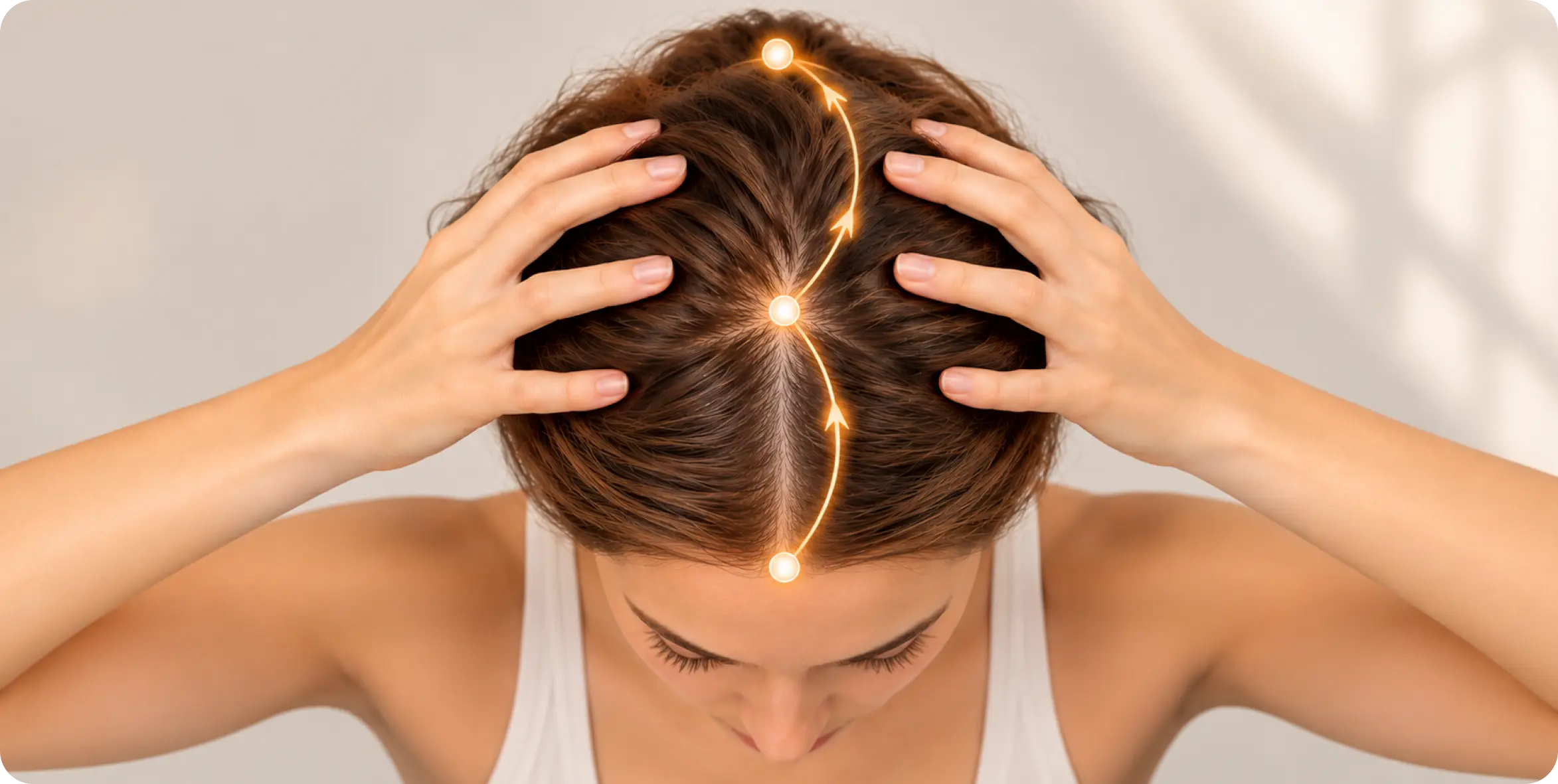
Scalp tension can make the forehead, temples, and upper face feel tight or tired. The scalp and forehead share anatomical connections, so it makes sense to consider them together. But a tight-feeling scalp is not a proven cause of facial aging, and releasing it cannot be promised to lift the brows or erase wrinkles. Can […]
Author:MINDBODYFACE
 1
 0
CAN SLEEPING ON ONE SIDE CHANGE YOUR FACE? SLEEP LINES, ASYMMETRY, AND FACIAL COMPRESSION
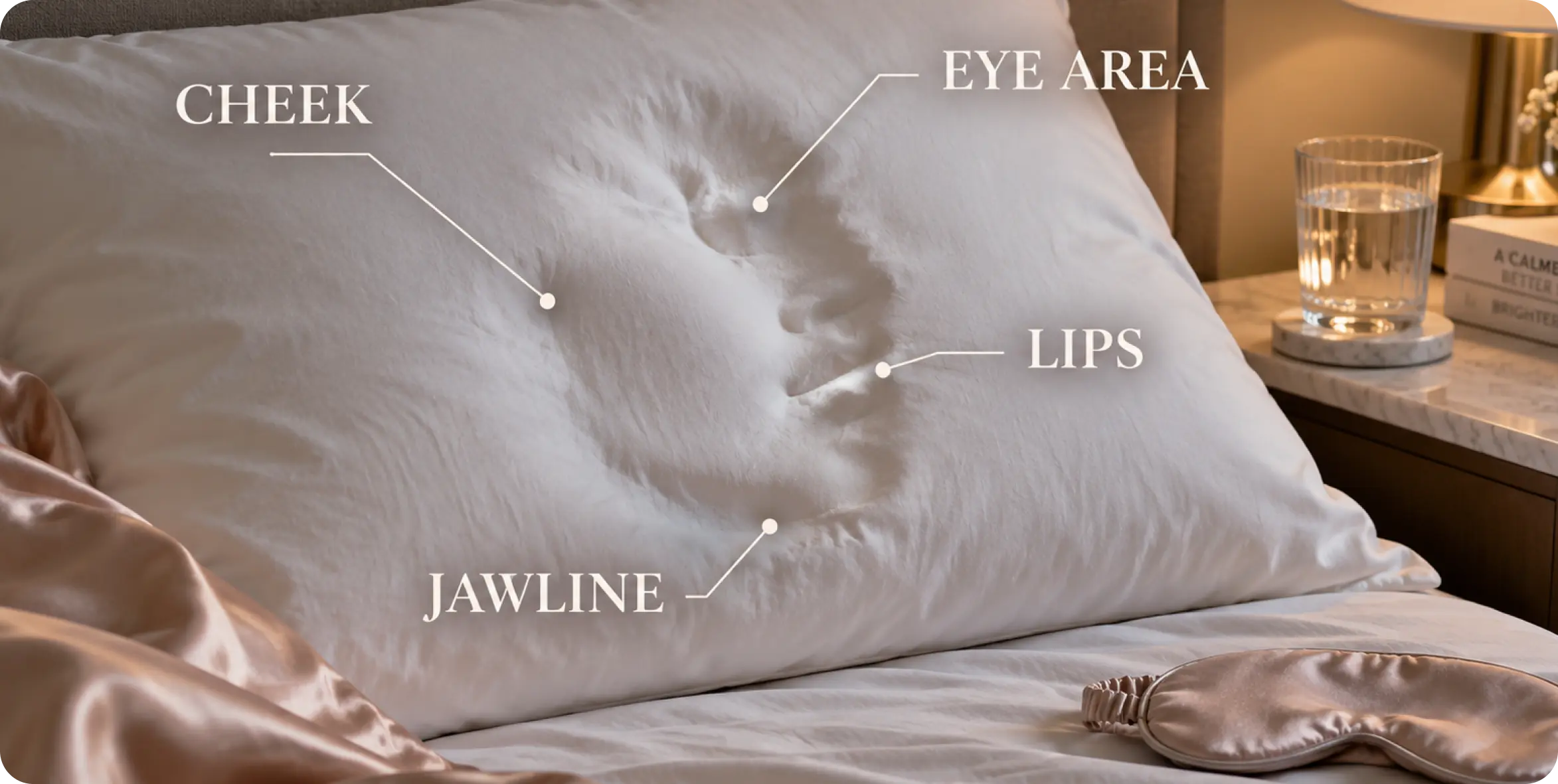
Can sleeping on one side change your face? It can temporarily change how your face looks in the morning. One cheek may seem puffier, one eye more swollen, and one side may show deeper pillow marks. Over many years, repeated pressure may contribute to sleep lines in aging skin, but side sleeping alone does not […]
Author:MINDBODYFACE
280
UNEVEN SMILE: WHY ONE SIDE OF THE MOUTH SITS HIGHER AND WHAT FACIAL TENSION HAS TO DO WITH IT
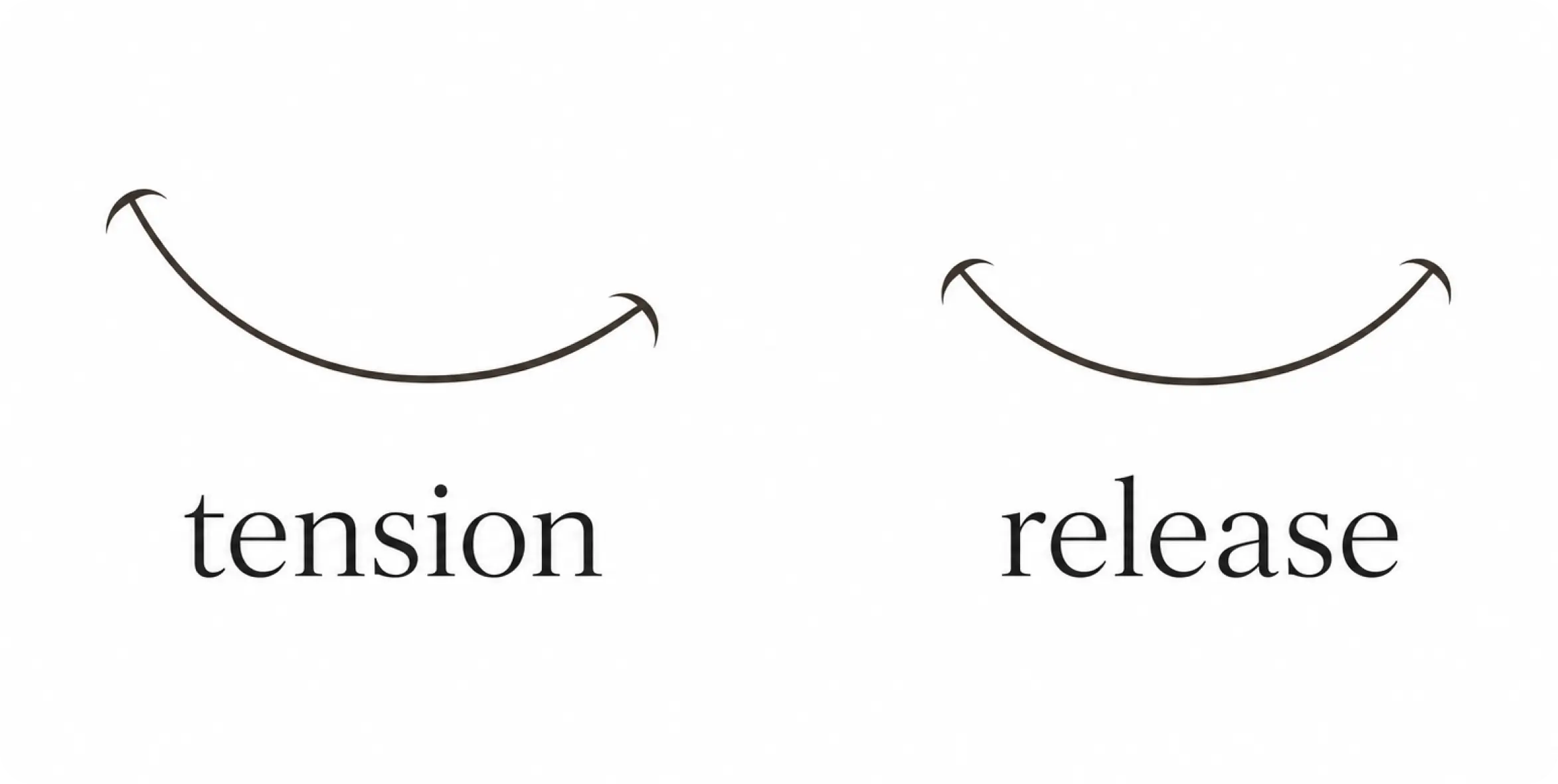
An uneven smile can be one of those details you only notice in photos or videos. One corner of the mouth lifts more. One side of the upper lip looks higher. One cheek seems to move first, while the other appears quieter or tighter. A little facial asymmetry is normal. Almost no one has a […]
Author:MINDBODYFACE
540


MINDBODYFACE LLC
1021 E Lincolnway Suite 8342, Cheyenne, WY 82001
+16282892382
All services and information on this website are for educational purposes only and do not constitute medical advice or treatment -