Nov 04, 2026
•9 minutes read
•Author: MINDBODYFACE
SCALP TENSION AND FACIAL AGING: CAN A TIGHT SCALP AFFECT THE FOREHEAD AND UPPER FACE?

Scalp tension can make the forehead, temples, and upper face feel tight or tired. The scalp and forehead share anatomical connections, so it makes sense to consider them together. But a tight-feeling scalp is not a proven cause of facial aging, and releasing it cannot be promised to lift the brows or erase wrinkles.
Can scalp tension affect face comfort and expression? It may accompany raised brows, a clenched jaw, tender temples, and neck discomfort. Those patterns deserve attention, even without a dramatic cosmetic claim.
The relationship between scalp tension, forehead wrinkles, and facial appearance needs a careful explanation. Anatomy tells us how tissues connect. It does not automatically tell us that massage can reverse age-related changes.
WHAT IS SCALP TENSION AND WHAT CAUSES IT?
Scalp tension describes a feeling of tightness, pressure, pulling, or tenderness across the head rather than one specific medical diagnosis. You might notice it at the hairline, above the ears, around the temples, or near the back of the skull.
The scalp contains skin, connective tissue, an aponeurosis, a loose tissue layer, and the covering of the skull bone. Muscles at the front and back of the head interact with these layers, allowing the brows and scalp to move.
People often describe tight scalp muscles after a stressful day. However, the sensation may involve several structures: forehead muscles, the temporalis muscles used for chewing, neck muscles, or sensitive scalp skin. You cannot identify the cause simply by finding an area that feels firm.
Potential contributors include:
- Stress accompanied by brow raising, jaw clenching, or shoulder bracing
- Long periods at a screen without changing position
- Neck and shoulder discomfort
- Tight ponytails, braids, headbands, or other sources of traction
- Repeated facial expressions, such as frowning or squinting
- Headaches accompanied by scalp tenderness
Stress, posture, and screen use may overlap rather than act independently. You may lean forward, narrow your eyes, raise your brows, and clench your teeth while concentrating. Learning how to relax scalp muscles begins with noticing the whole pattern—not assuming there is one “stuck” spot to press harder.
HOW SCALP TENSION MAY AFFECT THE FOREHEAD AND UPPER FACE
The scalp connects with the forehead through the occipitofrontalis muscle and the galea aponeurotica, a strong, tendon-like sheet over the top of the skull. The frontalis at the forehead raises the eyebrows; the occipital portion at the back helps move the scalp backward.
This connection explains why scalp movement and eyebrow movement are related. Place your fingers lightly near the hairline and raise your brows. You may feel the tissues move together.
Discussions of the “scalp tension face” connection often take this anatomy too far. Claims that a tight scalp pulls the entire face downward, blocks facial nourishment, or causes sagging are not established by these anatomical findings.
The phrase galea aponeurotica tension also needs context. The galea is not a muscle you can consciously relax in isolation. It transmits forces between connected structures. A sensation of pressure across the head does not prove that the galea has shortened or become damaged.
So, can scalp tension affect face movement? Shared muscle attachments make interaction plausible, especially around the forehead and brows. But “scalp tension facial muscles” is a useful way to explore coordination, not a diagnosis or a complete explanation for facial aging.

The practical aim is modest: notice unnecessary brow activity, reduce uncomfortable bracing, and help the head, jaw, and neck feel more at ease.
SCALP TENSION AND FOREHEAD WRINKLES: IS THERE A CONNECTION?
Forehead wrinkles are linked to repeated frontalis contraction and changes in skin structure; scalp tightness itself is not a proven independent cause. The frontalis raises the eyebrows and creates horizontal forehead folds whenever it contracts.
Dynamic lines appear during expression. Static lines remain visible after the face relaxes. Over time, skin aging and accumulated sun exposure can make repeated folds more noticeable, even when muscle activity stops.
The “scalp tension forehead wrinkles” connection is therefore indirect. Someone who feels tense across the scalp may also raise their brows frequently. Reducing that habit might change how strained the forehead looks at the moment. It does not mean massage repairs established wrinkles.
At the scalp–hairline–forehead junction, movement can feel restricted or unfamiliar without indicating disease. Normal mobility varies, and comparing your scalp with someone else’s is not a reliable assessment.
Avoid treating a quick post-massage change as proof of rejuvenation. Lighting, facial expression, skincare, and a moment of relaxation can all alter photographs. A softer expression is worthwhile, but it is different from a lasting change in skin elasticity or brow position.
SCALP FASCIA RELEASE AND MASSAGE FOR FACIAL REJUVENATION
Scalp fascia release usually describes slow, gentle manual techniques intended to improve comfort and perceived tissue mobility. It is not one standardized procedure, and the word “release” does not prove that fascia has been lengthened, detached, or structurally corrected.
Conventional scalp massage often uses small circular movements across the head. Fascia-focused techniques may use broader hand contact, slower pressure, and tiny movements of the scalp relative to the skull. Both can be approached as relaxation practices rather than forceful tissue correction.
Searches for scalp massage for face lifting often lead to promises of higher brows, fewer wrinkles, and tighter facial contours. Reliable clinical evidence does not establish these results as predictable outcomes of scalp massage. Anatomical continuity alone is not enough to demonstrate a lifting effect.
The same applies to “scalp massage anti aging face” claims. Massage may feel soothing and help reduce perceived tension. Mayo Clinic includes gentle scalp, temple, neck, and shoulder massage among self-care measures that can ease muscle tension and sometimes headache pain. That is a comfort benefit, not proof of cosmetic rejuvenation.

Keep these outcomes separate:
- Feeling calmer after massage
- Having less tenderness or muscular discomfort
- Temporarily softening a strained expression
- Permanently lifting tissue or reducing established wrinkles
The first three may be reasonable personal experiences. The fourth requires evidence that these techniques currently do not provide.
HOW TO RELAX SCALP MUSCLES AND RELIEVE FOREHEAD TENSION
Learning how to relax scalp muscles starts with comfortable contact and less effort—not stronger pressure. Use the following three-to-five-minute routine as an optional relaxation practice, not a medically validated lifting protocol.
1. Settle the jaw and shoulders
Sit comfortably with the head supported over the shoulders. Let the teeth separate slightly and stop pressing the lips together.
Take three easy breaths. Allow the shoulders to drop without forcing them down. If nasal breathing is uncomfortable, do not hold your breath or force your mouth closed.
2. Place broad fingertips at the hairline
Use the pads of your fingers rather than your nails. Rest them just behind the hairline and make tiny circles for about 30 seconds.
Move the skin gently instead of rubbing repeatedly across the hair. The pressure should remain comfortable throughout. There is no need to chase a strong sensation.
3. Work across the crown
Move your hands toward the top of the head. With broad contact, shift the scalp a small distance forward, backward, and sideways.
Spend roughly one minute here. Do not pull the hair, scratch, pinch, or force movement where the skin feels sensitive.
4. Soften the forehead and temples
For scalp massage for forehead tension, pause at the hairline and consciously stop raising your eyebrows. Then make light circles at the temples for 20–30 seconds.
Keep the jaw loose. Pressing harder into tender temples is not necessarily more helpful, especially if you clench your teeth.
5. Finish at the back of the head
Rest your fingertips near the base of the skull without digging under it or twisting the neck. Hold comfortable contact for a few breaths, then release.
Try the routine a few times a week, or briefly each day if it feels good. Reduce pressure or frequency if tenderness develops. Gentle fingertip massage is consistent with headache self-care guidance, but longer or harder sessions are not automatically better.

Skip massage over broken skin, infection, an active rash, unexplained swelling, recent surgery, or a healing hair transplant. Follow your treating clinician’s instructions after procedures. Stop if touch causes pain, dizziness, nausea, or worsening headache.
TIGHT SCALP, HEADACHES, AND FACIAL DISCOMFORT
Tight scalp and headaches can occur together, particularly with tension-type headaches, but scalp tightness does not identify the headache type. These headaches often produce dull, aching pain, pressure across the forehead or sides of the head, and tenderness in the scalp, neck, or shoulders. Their causes are not fully understood.
This matters because not every headache is simply a tight muscle. Migraine, jaw-related pain, eye problems, and other conditions may involve discomfort around the forehead or temples. Repeatedly massaging the scalp should not replace assessment when symptoms persist.
Keep a short record of when discomfort appears. Note sleep, screen use, jaw clenching, stress, and whether the scalp is tender to touch. This can help a clinician understand the pattern without assuming the cause.
Seek emergency care for:
- A sudden, extremely severe headache
- Headache with weakness, numbness, confusion, or trouble speaking
- New vision loss or double vision
- Fever with a stiff neck
- A worsening headache after a head injury
Arrange a medical appointment if headaches become more frequent, more severe, or interfere with sleep, work, or normal activities. New temple pain with scalp tenderness, chewing pain, or visual symptoms also requires prompt assessment rather than self-massage.
The relationship between scalp tension, facial muscles, and discomfort is best approached through observation. Notice whether you brace the forehead, grip the jaw, or hold the neck still for hours. Gentle movement and relaxation can support comfort, but they cannot explain or treat every symptom.
If you want a structured facial-care routine, MindBodyFace’s Faceplastica Rejuvenation Method includes work with the face, neck, posture, breathing, and self-massage. Its guided lessons can help organize home practice; they are not a treatment for headaches or a proven method of lifting the face through scalp release.
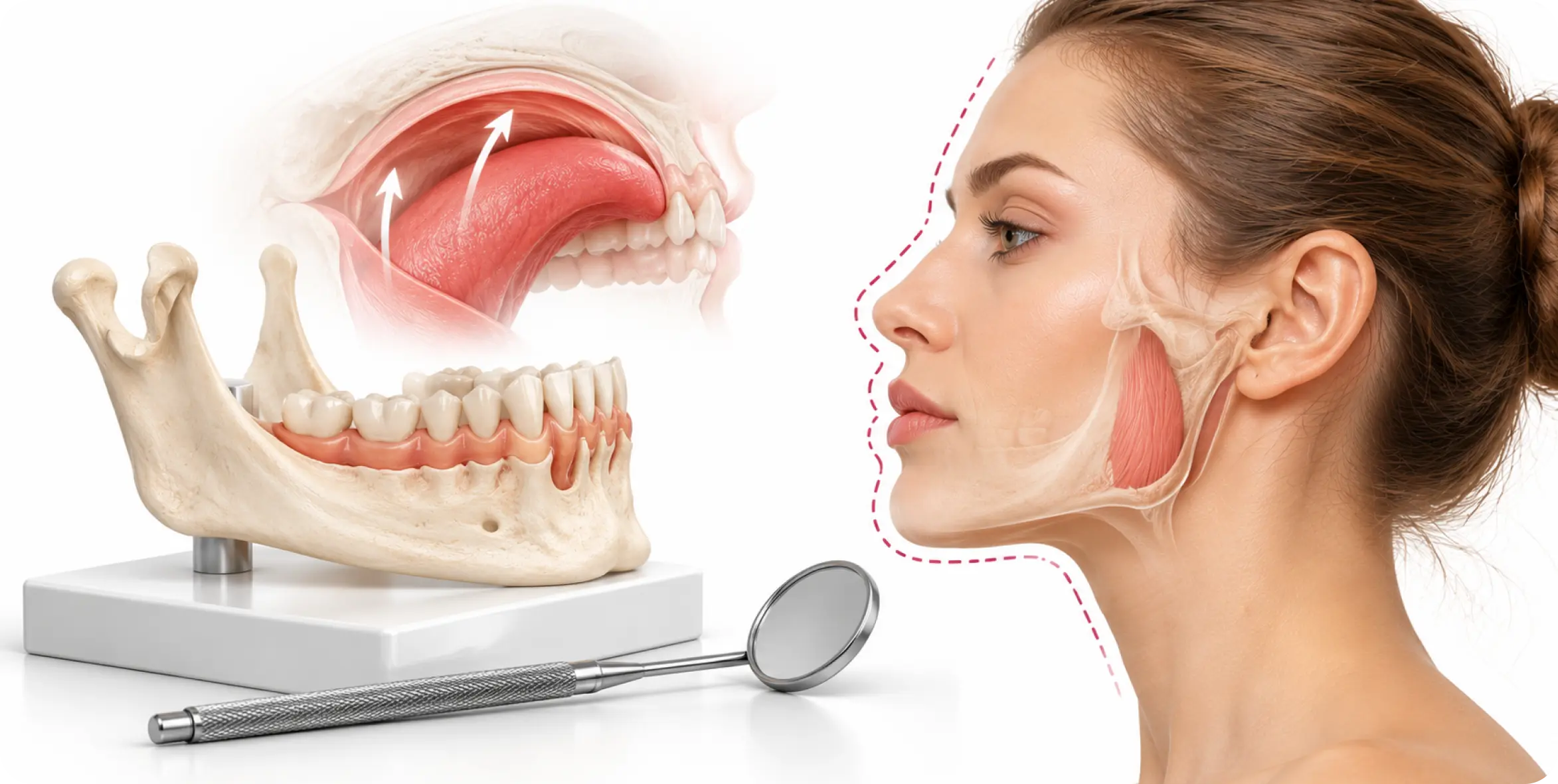
MEWING: DOES IT ACTUALLY WORK? WHAT TONGUE POSTURE CAN AND CANNOT CHANGE
Does mewing work? There is no convincing clinical evidence that it permanently reshapes the jawline, corrects facial asymmetry, or changes adult facial bones. Resting your tongue comfortably is different from pressing it forcefully against the palate in an attempt to sculpt your face. What is mewing, then? It is an online trend built around tongue […]
Author:MINDBODYFACE
 2
 0
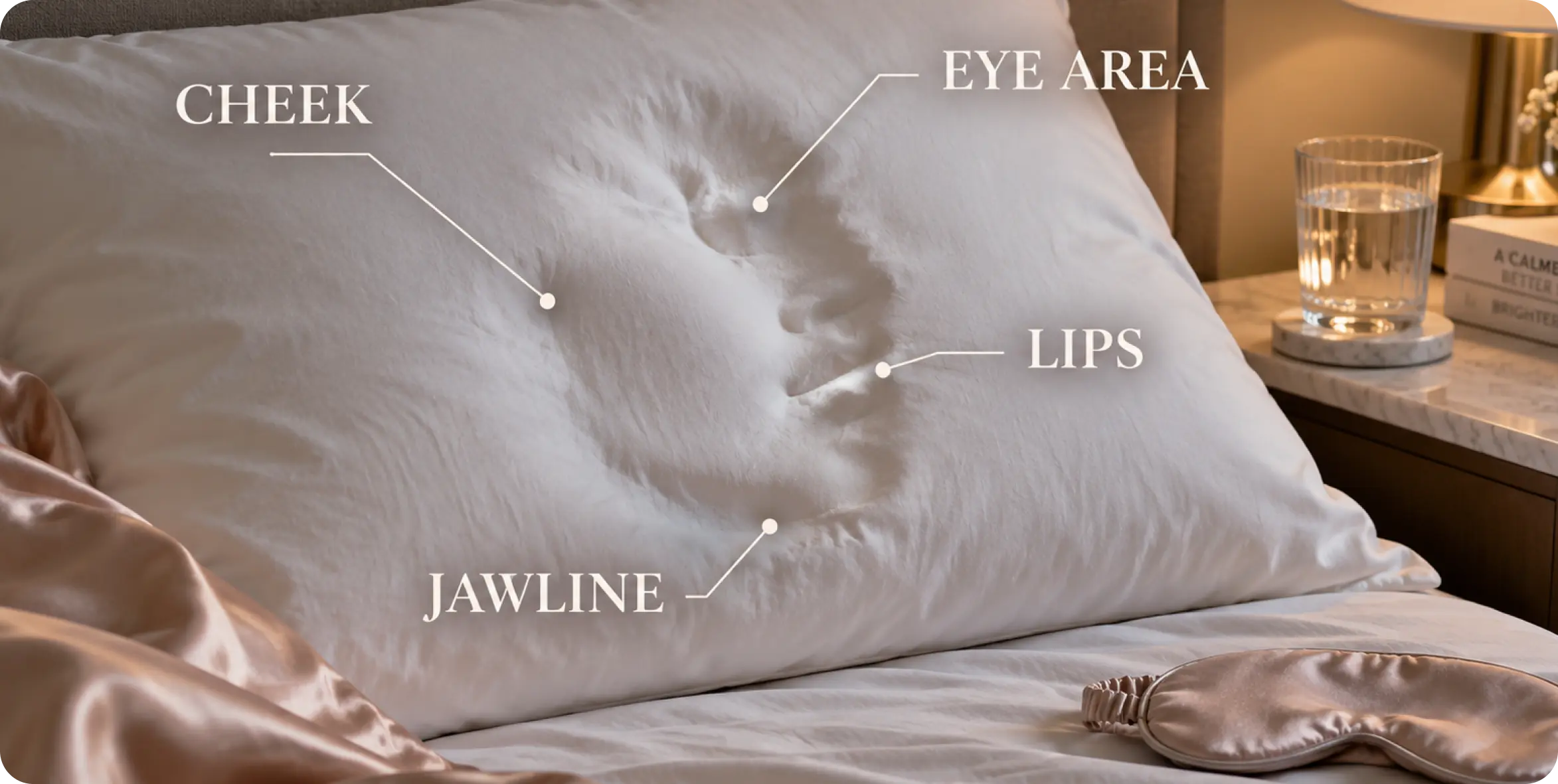
CAN SLEEPING ON ONE SIDE CHANGE YOUR FACE? SLEEP LINES, ASYMMETRY, AND FACIAL COMPRESSION
Can sleeping on one side change your face? It can temporarily change how your face looks in the morning. One cheek may seem puffier, one eye more swollen, and one side may show deeper pillow marks. Over many years, repeated pressure may contribute to sleep lines in aging skin, but side sleeping alone does not […]
Author:MINDBODYFACE
280
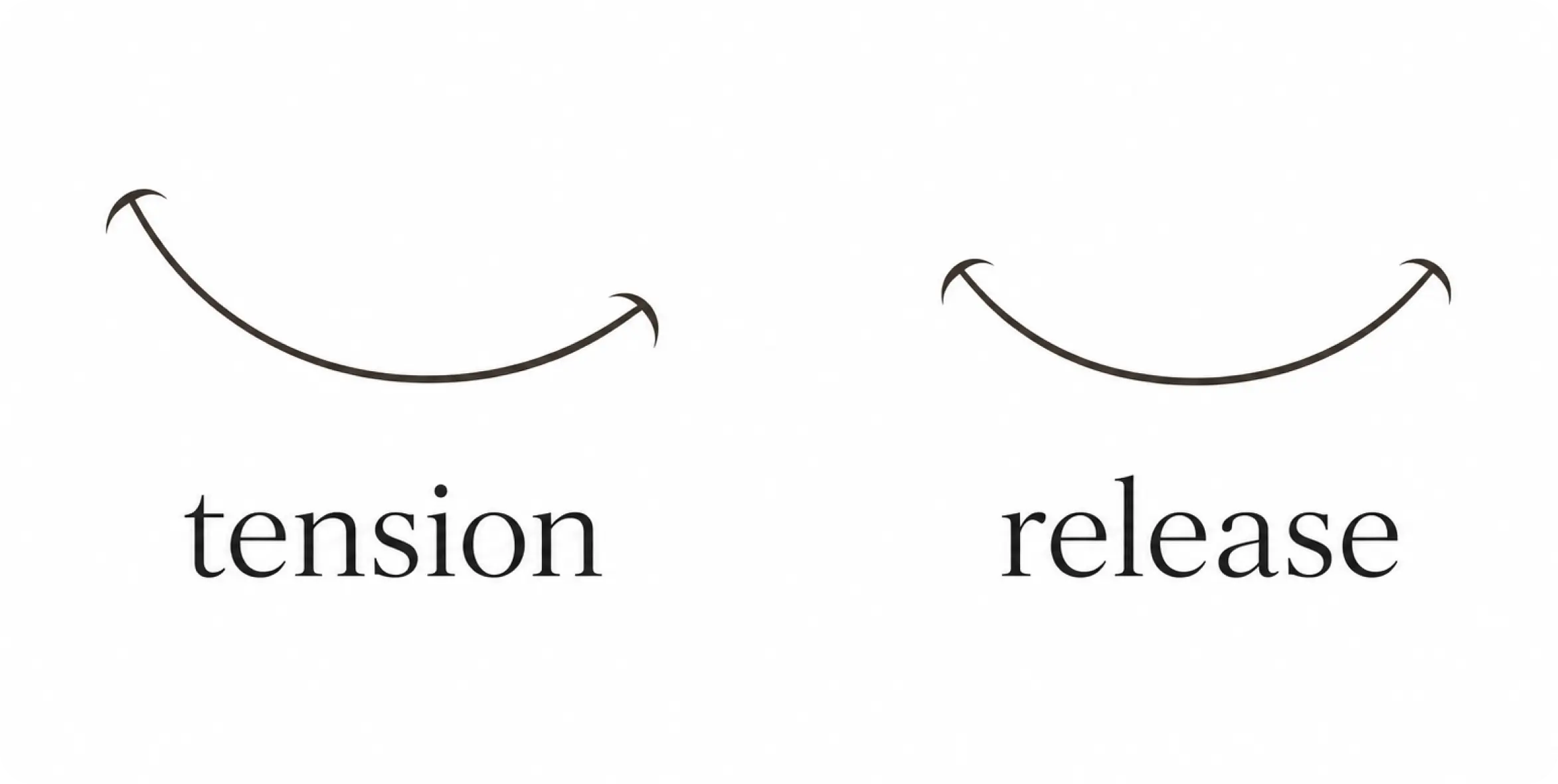
UNEVEN SMILE: WHY ONE SIDE OF THE MOUTH SITS HIGHER AND WHAT FACIAL TENSION HAS TO DO WITH IT
An uneven smile can be one of those details you only notice in photos or videos. One corner of the mouth lifts more. One side of the upper lip looks higher. One cheek seems to move first, while the other appears quieter or tighter. A little facial asymmetry is normal. Almost no one has a […]
Author:MINDBODYFACE
540


MINDBODYFACE LLC
1021 E Lincolnway Suite 8342, Cheyenne, WY 82001
+16282892382
All services and information on this website are for educational purposes only and do not constitute medical advice or treatment -