Mar 25, 2026
•6 minutes read
•Author: MINDBODYFACE
How facial aging depends on neural tension patterns

The face is a “map” of emotions that a person has experienced in the past and present. Every experience, joy, or chronic stress is “imprinted” in its expression. But unlike expression lines, patterns of nervous tension form deformations that do not smooth out even in a calm state.
The three key forms of stress are:

- “Fight or flight” — a sharp spasm of the masticatory, temporal, and frontal muscles occurs.
- “Emotional suppression” — nervous tension and facial aging, expressed in the form of tight lips, spasms in the cervical region, impaired lymph and blood flow, dull complexion, and the formation of a double chin and jowls.
- “Mental tension mask” — frown lines, headaches, drooping eyelids, nasolabial folds, crow’s feet around the eyes.
These patterns compress blood vessels, impair lymphatic drainage, alter the hormonal system, and increase muscle tension, leading to premature aging of the nervous system and face.
How stress factors affect facial youthfulness
Facial tension and the nervous system are closely related, as emotions control every element: the rhythm of the skull, facial muscles, and connective tissues. When this system malfunctions, it affects the entire structure of the body.
How nervous tension and facial muscles lead to skin aging:
- The facial nerve controls facial expressions, so its inflammation leads to muscle spasms, and “frozen” areas lead to asymmetry.
- Nerve impulses transmit signals to the muscles, and if the signal is weak, static wrinkles appear in the tissues due to hypertonicity, even in a relaxed state.
- Neurological problems give rise to automatic patterns that lead to stress-induced facial wrinkles, compress nerves, and cause facial asymmetry.
Age-related changes through chaotic nerve impulse signals are created according to the following system:
Chronic stress → emotional reaction of the body → command to “clench the jaw” or frown. The pattern is fixed, forming early wrinkles.
This is how rough facial expressions are formed, leading to nasolabial folds, a “floating” oval, a double chin, frown lines, and asymmetry.
Identifying patterns of nervous tension in the face
The nervous system has neuroplasticity, which is capable of forming strong connections. Frequently repeated emotional reactions create “road maps” in the muscles, after which neuromuscular aging of the face occurs.
Stages of wrinkle formation:
- Reversible: temporary asymmetry, expression lines, and muscle spasms.
- Partially reversible: initial stage of muscle hypertonicity, appearance of wrinkles, slight asymmetry.
- Requires correction: scars on muscles and fascia, nerve compression, pronounced asymmetry, and tissue sagging.

How to identify stress of the nervous system and face at home:
- Sit in front of a mirror with a calm expression on your face and assess the symmetry of your eyebrows, the position of the corners of your mouth and eyes.
- Use your fingertips to test the tension in your temporal, masticatory, and occipital muscles.
- Smile slowly and note which side activates first and where the tension increases. These are the areas you need to work on first.
Facial aging and nervous system health can be corrected by:
- Self-massage on the brow and cheekbones
- Breathing to relax the forehead, chewing muscles, and occipital area
- Exercises for smile symmetry and elimination of wrinkles in the circular muscle of the mouth
If you notice progressive asymmetry, pain in the neck, face, or head, clicking in the TMJ, numbness in the face, or muscle twitching, you should consult a specialist. You will have the opportunity to “retrain” your neuromuscular connections in a timely manner, receive help in the form of craniosacral and manual therapy, and apply faceplastica techniques to restore the healthy functioning of all body systems.
Methods for restoring nervous balance for a youthful face
Recovery from stress on the nervous system and face is based on three principles:
- Corrective exercises for the head, neck, and back, which help restore facial youthfulness and balance emotional state.
- Retraining of the neuromuscular system, which allows you to “reprogram” tension patterns into a healthy way of controlling facial tone.
- Conscious control of facial expressions for new neural pathways and facial expressions, which will help make your expression relaxed and natural.
Correction methods for facial youthfulness:
- Sit down and place your fingers on the occipital protuberances. As you inhale, press lightly on these areas, and as you exhale, release. Repeat the exercise 10 times.
- The principle of meditation in the form of a relaxation wave, starting from the top of the head and ending at the heels. Focus your attention on each part of the body in turn, restoring even and smooth breathing.
- Sit in front of a mirror and frown, then relax sharply. Observe and remember the feeling of relaxation. Repeat 10 times.
- Find a sore spot in the chewing muscles or under the ears. Breathe deeply and press this area for 30 seconds.
These methods help eliminate chronic tension and wrinkles on the face by reducing cortisol, improving skin tone and microcirculation in the tissues. It is important to pay attention to how you feel, avoiding severe pain and overly long training sessions in the initial stages.
Daily habits to reduce nervous tension
The nervous system reacts to daily events and causes stress-induced facial aging. Therefore, the faceplastica technique uses tools to reset stress patterns and restore youthfulness.
It is best to prepare yourself for the day ahead right after waking up, when the nervous system is still quite flexible. To do this, you need to “come back” from sleep gradually: start with conscious breathing, follow the sensations in your body, and then open your eyes.
Every morning, massage your temples with circular and slightly pressing movements to activate this area of the brain, and then use gentle taps to move from the center of your face to the periphery.
Throughout the day, don’t forget to check your posture and pay attention to the position of your shoulders. During breaks at work or at home, take a few minutes to breathe consciously for stress resistance and relaxation of the facial tissues.
Evening rituals for facial tone and nervous balance include completely avoiding gadgets 2 hours before bedtime, conscious relaxation from your toes to your head, as well as self-massage of the chewing muscles, temples, and the back of the head.

By following these simple rules and making them part of your daily routine, you will notice an improvement in sleep quality and a reduction in puffiness within two weeks. Gradually, expression lines will diminish, the oval of the face will become more defined, and facial tone will begin to even out. But it is important to understand that for a lasting effect, all areas need to be thoroughly worked on using faceplastica techniques.
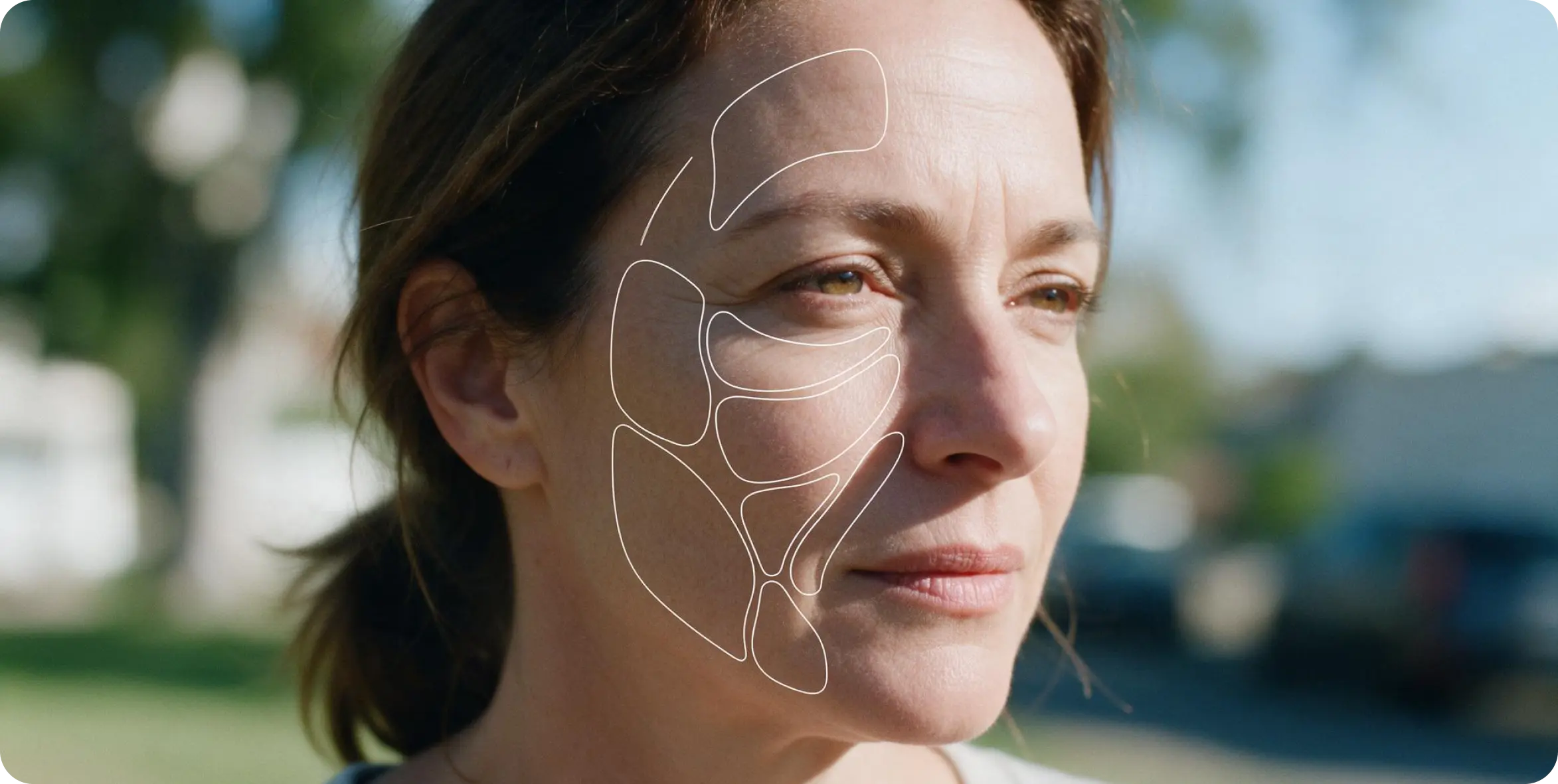
FACIAL FAT GRAFTING: ARE THE POTENTIAL RISKS TOO HIGH?
Facial fat grafting risks are not automatically “too high,” but this is a surgical procedure with an unpredictable aesthetic outcome and a small risk of severe complications. For the right patient, treated conservatively by an experienced surgeon, facial fat transfer can restore volume in hollow areas. For someone seeking a perfectly controllable result, a dramatic […]
Author:MINDBODYFACE
 5
5 0
0
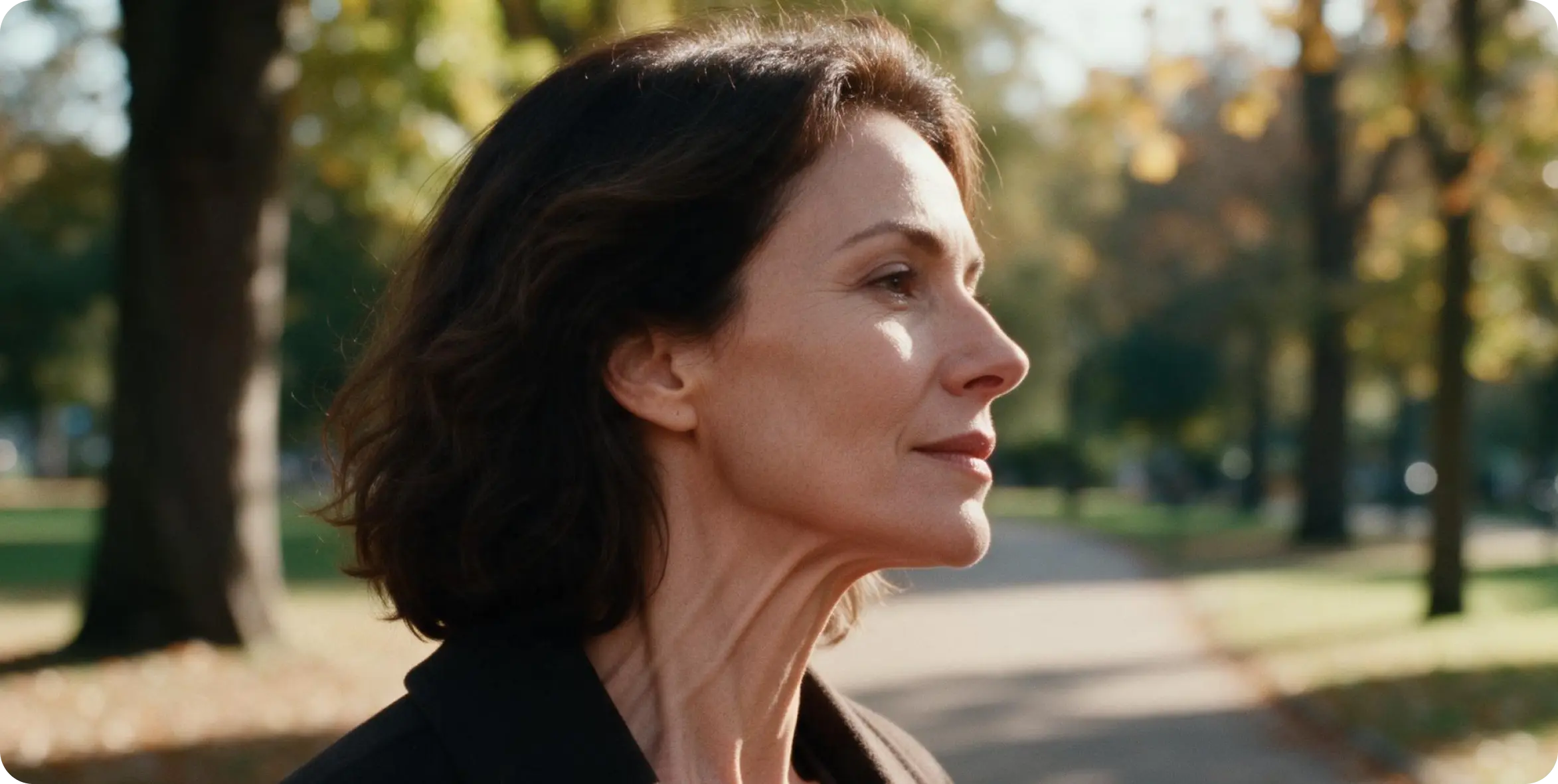
PLATYSMAL BANDS: WHY VERTICAL NECK BANDS APPEAR AND WHAT YOU CAN DO NATURALLY
Platysmal bands are the vertical cords that may appear across the front or sides of the neck when you speak, grimace, turn your head, lift your chin, or tighten your lower face. These neck bands can become obvious in photographs first: your face still looks familiar, while the neck suddenly appears more strained, heavier, or […]
Author:MINDBODYFACE
50

MOUTH BREATHING AND FACIAL CHANGES: HOW BREATHING HABITS AFFECT THE JAWLINE, LIPS, AND FACIAL BALANCE
What Is Mouth Breathing and Why Does It Affect the Face? Regular mouth breathing can be linked to differences in facial and dental development during childhood and adolescence, when the jaws are still growing. In adults, it is very unlikely to remodel facial bones or produce a dramatically different jawline. What it can change is […]
Author:MINDBODYFACE
50

WHO AGES FASTER: MEN OR WOMEN? A SCIENTIFIC PERSPECTIVE
Who ages faster, men or women? Science does not support one simple answer. Men, on average, have shorter life expectancy and often show older biological-age markers. Women usually live longer, yet many experience faster visible changes in skin and facial tissues around menopause. That is why two things can be true at once. A man […]
Author:MINDBODYFACE
50


MINDBODYFACE LLC
1021 E Lincolnway Suite 8342, Cheyenne, WY 82001
+16282892382
All services and information on this website are for educational purposes only and do not constitute medical advice or treatment -