Oct 21, 2025
•7 minutes read
•Author: MINDBODYFACE
Face Yoga and Faceplasty: What is the Difference?

Natural rejuvenation methods are necessary for healing at the cellular level, but each of them leads to different effects and results. Both faceplasty and face yoga are aimed at nourishing, strengthening, and rejuvenating the facial muscles—but there are important differences between them that can influence your choice of approach.
Face yoga vs faceplasty: the difference between the methods may not be obvious at first glance. But the principles of the second technique involve deep muscle work and produce more noticeable results.
When comparing face yoga and faceplasty, yoga works as an exercise for stretching and contracting facial muscles. Faceplasty is used for a more intense rejuvenating effect. This method involves not only special exercises, but also plastic correction and modeling of the face.
The essence of the methods
We have learned what face yoga is, and now let’s explore its concepts.

During face fitness classes, special exercises are performed that stimulate blood circulation, increase facial muscle tone, and promote natural rejuvenation. The main principle is to move and stretch the muscles to increase their elasticity and prevent age-related changes. Regular practice helps reduce expression lines, improve skin tone, and give it a fresh look.
What is faceplasty and how does it work?
Facelplasty works at a deep level and restores facial symmetry. It affects the structure and has a rejuvenating effect, working on the problem from within. For lasting results, gentle manual techniques, massage, and exercises are used to restore clear contours and connective tissues in the face, neck, chest, and posture.

How to distinguish between face yoga and faceplasty:
Face yoga exercises are focused on improving blood circulation and muscle tone. The method makes the face firm and radiant through active muscle work.
Facelplasty works with all the bones of the skull, fascia, muscle layers, posture, and even the diaphragm. The main goal is to restore the structure and natural rejuvenation of the face by correcting bone and fascial tissues.
Comparison of rejuvenation methods
These two methods combine the ability to naturally preserve the beauty and youthfulness of the face using safe techniques. Such methods of transformation can be practiced independently, without resorting to surgical interventions and youth vaccines.
General principles of face yoga and faceplasty:
- Reducing signs of aging
- Strengthening muscles
- Improving skin tone and blood circulation
- Relaxing muscles and eliminating stress tightness
- Increasing tone.
Another advantage of faceplasty is the formation of facial structures: correction of the oval, cheekbones, and chin. The techniques used in this method lead to a quick visual effect, due to the emphasis on “modeling.”
The main differences between faceplasty techniques and face yoga: faceplasty can intensively correct all facial structures and effectively model the face for a long period of time. Yoga, on the other hand, prevents aging and rejuvenates the skin, but for a shorter period of time.
At the initial stage, face yoga is an excellent option for safely maintaining facial elasticity. However, if you already notice significant changes in your skin structure and facial contours, signs of fatigue, or want to achieve more pronounced results, faceplasty may be the best choice for a natural facelift.
Effectiveness and results: which method to choose?
When it comes to natural rejuvenation methods, it is important to understand the effectiveness of face yoga and faceplasty. Both methods produce their own set of results, but they differ in terms of depth and effect duration.
Face yoga: results —
- The oval of the face becomes even, improving blood circulation and increasing muscle tone.
- Sebaceous deposits disappear and swelling caused by insufficient lymphatic drainage is reduced.
- The skin becomes more elastic, restoring freshness and a healthy tone to the face.

Faceplasty: results —
- The shape of the face becomes more defined due to regular work with bones and fascia.
- Reduction or complete disappearance of expression lines and age wrinkles.
- Increased skin density and elasticity, as well as a noticeable face lift effect.
- Restoration of the harmony of muscles and ligaments, which determine the rate of aging.

Face yoga or faceplasty — which to choose?
If you need deep and structural correction that leads to a lasting and long-term effect, pay attention to faceplasty courses. The results of this technique will not keep you waiting long and will last for many years. Combining the two techniques will bring maximum effect due to comprehensive work at all levels.
Who is each method suitable for?

Face yoga is suitable for those who:
● Need to prevent aging
● Need to remove muscle tension
● Don’t want to resort to invasive correction methods
● Start their journey to natural rejuvenation
● Want to systematically maintain facial youthfulness
Faceplasty is suitable for those who:
● Need deep-level changes
● Need to eliminate sagging skin and muscles
● Want to make facial contours more defined
● Want to achieve a lifting effect and maintain it every day
● Seek long-term results and ready to follow a comprehensive program
The methods can be combined to achieve a wow effect in a short period of time.
Natural rejuvenation vs. surgical intervention
Natural rejuvenation without plastic surgery: what is the difference and when should a surgical approach be considered?

Plastic surgery is a radical and invasive method. It involves serious intervention in the facial structure, which leaves consequences from anesthesia, followed by scarring, the risk of complications, and a long rehabilitation period. Such procedures often produce quick results, but require a professional approach and responsibility from both the surgeon and the patient.
What to choose: faceplasty or plastic surgery?
Faceplasty affects the fascia, muscles, all facial bones, posture, diaphragm, and neck. Combined with a healthy lifestyle and daily practice, it provides lasting rejuvenation without surgery. This approach affects the face “from within,” enhancing natural renewal processes.

Face yoga is an alternative to surgery: results appear gradually, require regular practice and a long time, but it is safe method with no risks.
When should surgery be considered?
If there are pronounced age-related changes, severe skin sagging, and structural defects that cannot be corrected by natural methods and significantly improved by non-invasive means.
Natural rejuvenation is the best option for those looking for a gentle, gradual, and safe way to prolong youthfulness, preserve natural beauty, and avoid the risks associated with surgical intervention. In this case, face yoga and facelifts are worthy alternatives or additions to radical anti-aging methods.
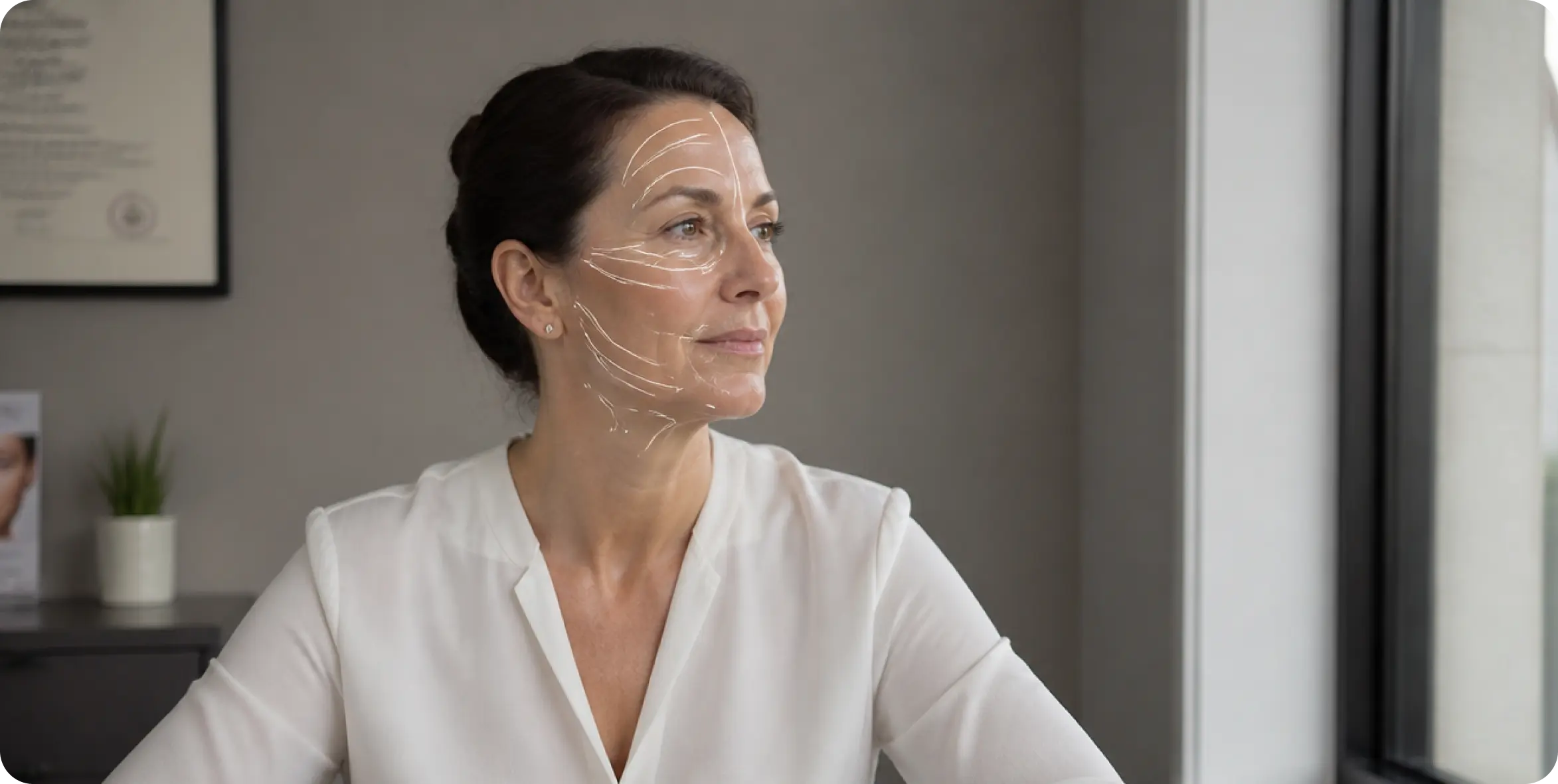
FACIAL REJUVENATION AFTER 45: PROCEDURES THAT MAY NOT BE WORTH IT
Facial rejuvenation after 45 works best when the treatment matches the actual change you want to address. The useful question is not which option is “best,” but whether a procedure can deliver enough benefit to justify its cost, recovery, maintenance, and possible complications. Many facial rejuvenation procedures after 45 are marketed as universal solutions. Yet […]
Author:MINDBODYFACE
 6
6 0
0
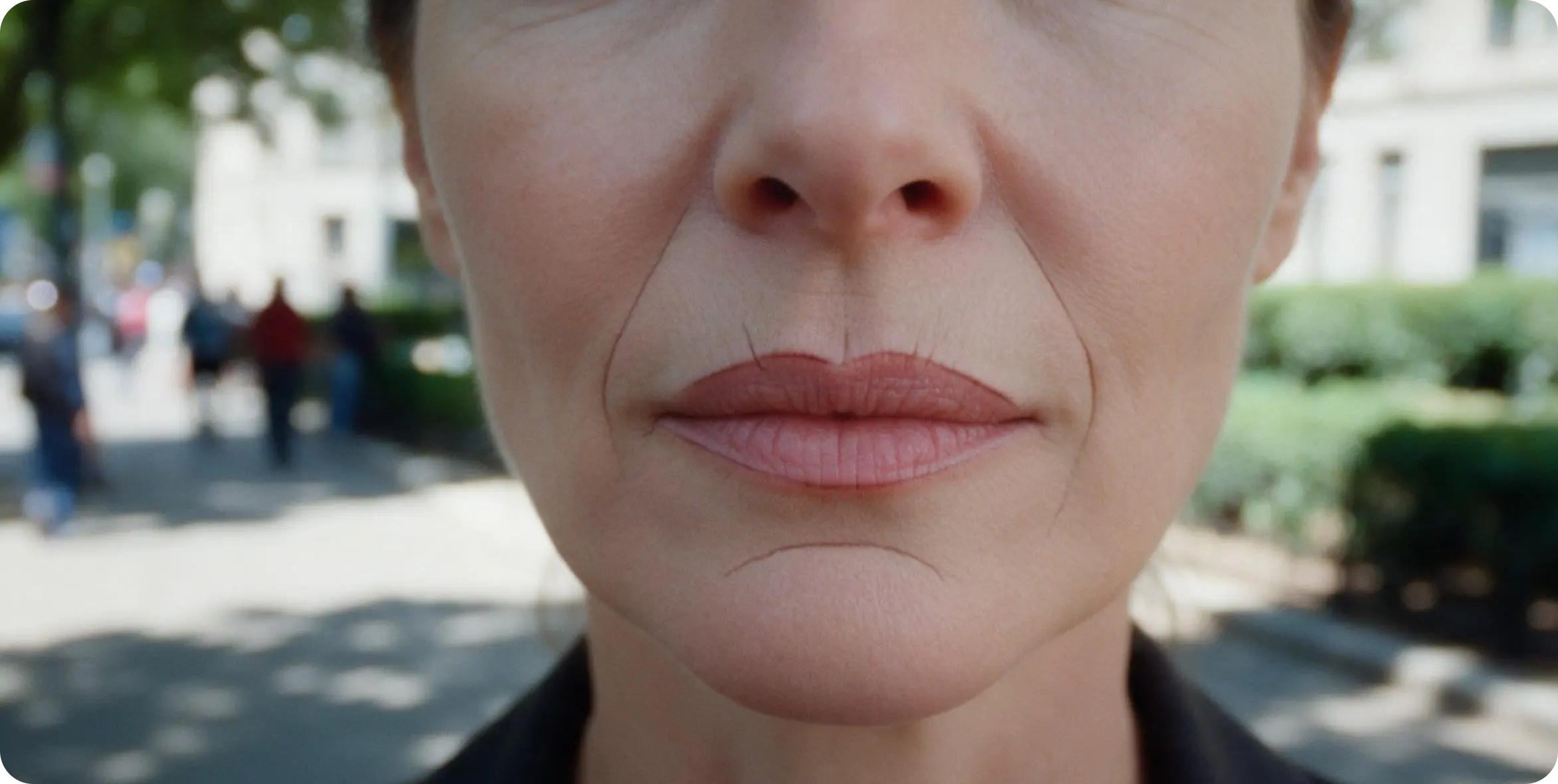
ENHANCING THE NATURAL BEAUTY OF THE LIPS WITHOUT AUGMENTATION
Natural lip enhancement will not give you a new mouth. It can help your existing lips look smoother, healthier, more defined, and less compressed – without fillers, injections, or harsh “plumping” tricks. The visible difference usually comes from simple things: a stronger lip barrier, daily UV protection, less dryness, a relaxed jaw, and skin around […]
Author:MINDBODYFACE
90
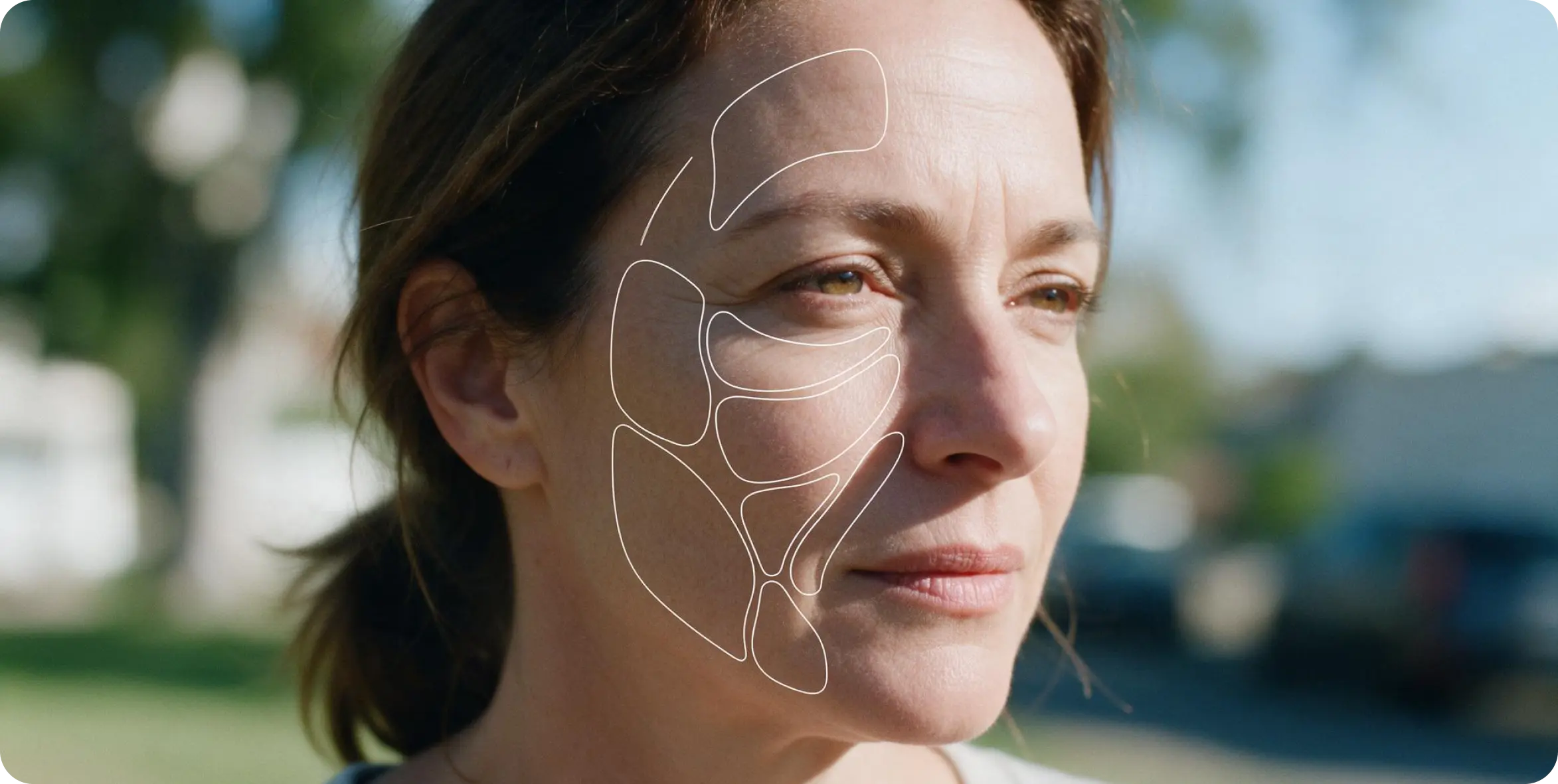
FACIAL FAT GRAFTING: ARE THE POTENTIAL RISKS TOO HIGH?
Facial fat grafting risks are not automatically “too high,” but this is a surgical procedure with an unpredictable aesthetic outcome and a small risk of severe complications. For the right patient, treated conservatively by an experienced surgeon, facial fat transfer can restore volume in hollow areas. For someone seeking a perfectly controllable result, a dramatic […]
Author:MINDBODYFACE
120
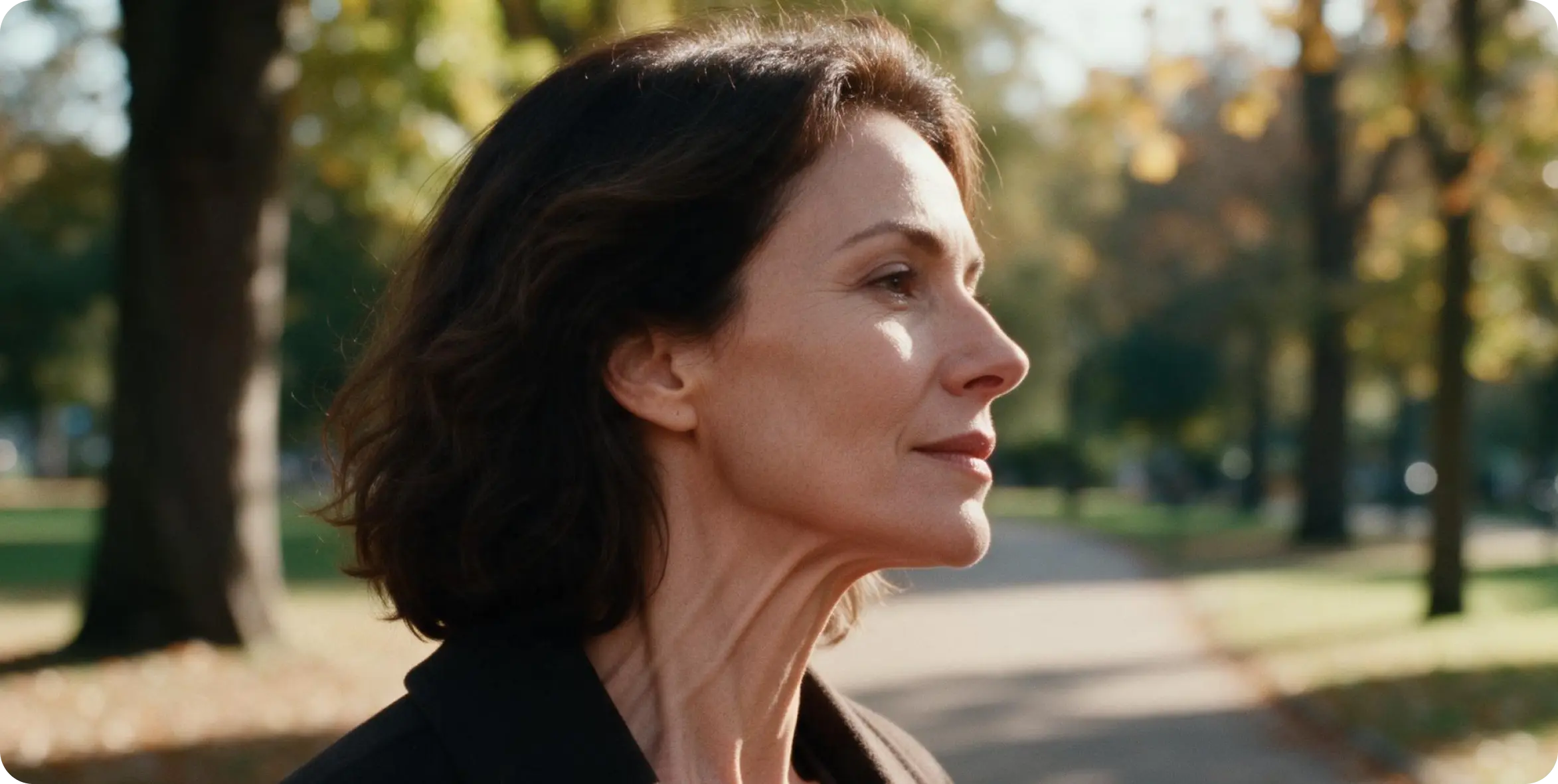
PLATYSMAL BANDS: WHY VERTICAL NECK BANDS APPEAR AND WHAT YOU CAN DO NATURALLY
Platysmal bands are the vertical cords that may appear across the front or sides of the neck when you speak, grimace, turn your head, lift your chin, or tighten your lower face. These neck bands can become obvious in photographs first: your face still looks familiar, while the neck suddenly appears more strained, heavier, or […]
Author:MINDBODYFACE
220


MINDBODYFACE LLC
1021 E Lincolnway Suite 8342, Cheyenne, WY 82001
+16282892382
All services and information on this website are for educational purposes only and do not constitute medical advice or treatment -