Sep 02, 2026
•9 minutes read
•Author: MINDBODYFACE
DO EYES BECOME SMALLER WITH AGE? UNDERSTANDING THE CHANGES

Do eyes get smaller with age? Usually, the eyeball itself does not shrink enough in adulthood to explain what you see in the mirror. What changes is the frame around it: eyelids, eyebrows, skin, fat pads, muscles, ligaments, and the bones of the eye socket.
That is why many people say, “My eyes look smaller now.” The gaze may seem less open, upper lids may feel heavier, the crease above the eye may deepen, and the area under the eyes may look hollow or puffy. It can make the whole face appear more tired, even when you feel awake.
The good news is that understanding these changes helps you choose realistic care. You cannot stop aging, but you can reduce habits that make the eye area look more strained and learn when a new change needs an eye doctor’s attention.
Do Eyes Actually Get Smaller with Age?
No, the visible change is usually not caused by the eyeball becoming smaller. After adolescence, major eye measurements such as axial length, corneal diameter, and corneal curvature remain largely stable.
A review of adult eye measurements also found no meaningful decrease in axial length with age; apparent differences may reflect changes in population characteristics and how optical measurements are taken, rather than true shrinkage of the eye.
So why do eyes look different? Because the eye is only one part of what you see. The opening between the eyelids, the position of the eyebrows, the fullness of the upper lid, the contour below the eye, and the support of the cheek all affect eye appearance and aging.
Think of the eye as a window. The glass stays almost the same size, but the frame can become heavier, less even, and more shadowed. That is often what creates the impression of smaller eyes.
Common age-related eye changes that affect appearance include:
- Drooping or excess upper-eyelid skin
- A lower eyebrow position
- Deeper upper-lid hollows
- Puffiness or bags under the eyes
- Darker shadows in the tear-trough area
- Fine lines around the eyes
- Less visible eyelid space when the eyes are open
Why Eyes Look Smaller as We Age
Why eyes look smaller as you age often comes down to less visible eye opening. Skin gradually loses elasticity, the upper eyelid can become heavier, and the eyebrow may sit lower. Together, these changes cover more of the eye.
A drooping eyelid may be caused by excess skin, known as dermatochalasis, or by ptosis, when the upper lid itself sits lower because the lifting muscle or its attachment has weakened. Both become more common with age, but they are not the same thing.aao+1
The lower eye area can change too. The skin becomes thinner, the transition from eyelid to cheek may become more pronounced, and fat may shift or bulge. This creates a contrast of fullness above a hollow, which many people read as dark circles or a tired expression.
Visible eyelid changes with age may include:
- Upper lids that fold over the lash line
- A deeper crease or hollow above the eye
- Fine lines at the outer corners
- Puffiness below the lower lid
- A darker tear trough between the lower lid and cheek
- An eyebrow that appears flatter or lower
- Eyes that look more rounded, shadowed, or recessed

These are normal aspects of aging eyes changes, but the speed and severity vary. Genetics, skin type, sun exposure, allergies, smoking, sleep, stress, weight fluctuations, and fluid retention can make the eye area look older or more tired.
The Anatomy Behind Age-Related Eye Changes
The periorbital area – the tissues around the eye is small, but it has many layers. There is skin, the orbicularis oculi muscle that closes the eyelids, fat compartments, fibrous retaining ligaments, fascia, blood vessels, nerves, the eyebrow, the upper cheek, and the bone of the eye socket.
Periorbital aging affects several of these layers at once. It is not simply “skin getting loose.”
With time, bone in the orbit can remodel and provide less support to the tissues above it. In particular, resorption in parts of the orbital rim can make the eye socket appear more prominent. The soft tissues that lie over this changing base—including fat pads and muscles—can shift downward and inward. This can deepen the tear trough, make the upper lid look hollow, and cause the eyes to appear smaller or rounder.
Fat pads do not only “fall.” Some areas lose volume while others become more visible because supporting ligaments weaken and the skin thins. The upper eyelid may look hollow; the lower lid may look puffy; the cheek may lose fullness. That contrast changes the apparent eye shape with aging.

The orbicularis oculi muscle also matters. It allows you to blink, squint, smile with the eyes, and protect the eye surface. A 2025 study found age-related thinning and fiber changes in the upper-eyelid part of this muscle alongside deepening of the upper-lid hollow. It suggests that muscle changes may be one factor among many shaping the aging eye area.
Why Eyes May Look Sunken with Age
Why eyes look sunken with age is often a question about volume and shadows, not the eyeball moving dramatically backward. Loss of fullness in the upper eyelid, brow, temples, and upper cheek can make the orbit look deeper and the gaze seem more recessed.
This is sometimes called enophthalmos when the eye itself sits farther back in the socket, but a person can appear to have “sunken eyes” without true enophthalmos. In many cases, the visible change comes from thinning skin, volume loss, deepening contours, and changes in the lid-cheek junction.
Natural aging is one cause. Lifestyle and health factors can add to the effect:
- Poor or irregular sleep
- Dehydration or acute illness
- Allergies and frequent eye rubbing
- Smoking
- Major weight loss or repeated weight cycling
- High stress and prolonged screen time
- Nutritional deficiencies or medical conditions
If sunken eyes appear suddenly, affect only one side, come with pain, double vision, a new lid droop, eye bulging, vision loss, or difficulty moving the eye, do not treat it as a beauty issue. See an ophthalmologist promptly.
The same applies to a new upper-lid droop. Age-related ptosis is common, but a sudden change can have neurological or eye-related causes that need assessment.
Can You Prevent or Reduce Age-Related Changes Around the Eyes?
You cannot fully prevent how aging affects the eyes, but you can reduce some contributors to tired-looking skin and protect eye health. The most reliable starting point is not an aggressive eye massage. It is daily protection and steady habits.
Protect the skin and eyes
Use broad-spectrum sunscreen around the face every day, with sunglasses when outdoors. UV exposure contributes to skin aging, including fine lines and loss of elasticity around the eyes. Avoid applying irritating skincare too close to the lash line, especially if your eyes are sensitive.
Treat sleep, allergies, and rubbing seriously
Poor sleep and fluid retention can make puffiness more noticeable. Allergies can cause swelling, itchiness, and repeated rubbing, which irritates the fragile eyelid skin. If you regularly wake with swollen lids, have itchy eyes, or use eye drops frequently, discuss it with an eye-care professional rather than constantly changing skincare products.
Support the whole face and neck
A forward head position, a tight neck, or habitual brow lifting can make the eye area look more strained. Gentle work with posture, breathing, neck mobility, and jaw relaxation may help your face rest more easily. This will not replace medical treatment for ptosis or major skin laxity, but it can reduce the tension you add every day.
Be cautious with facial exercises
Facial exercises may help some people become more aware of brow, cheek, and eye-area tension. However, the evidence for visible rejuvenation remains limited, and forceful squinting or repetitive forehead lifting can reinforce the exact lines you want to soften. Systematic reviews call for stronger trials before firm conclusions can be made about facial exercises for cosmetic rejuvenation.
Use a light touch. Never press on the eyeball, drag the eyelid skin, or continue a practice that causes pain, dizziness, vision changes, or headaches.
Supporting a More Open and Youthful Eye Appearance Naturally
A natural approach should aim for an eye area that looks less tense—not an eye area that never moves. Your eyebrows should still rise when you are surprised. Your eyes should still narrow when you laugh. Expression is not the enemy.
Start by noticing your daily patterns. Do you lift the brows to see the screen? Do you squint because you need an updated prescription? Do you clench your jaw and tighten the muscles at the temples? Do your shoulders rise toward your ears when you work?
Small adjustments can support a more open-looking gaze over time:
- Raise screens to a comfortable height and take visual breaks
- Check that your glasses or contact-lens prescription is current
- Relax the jaw and let the shoulders drop before eye-area practices
- Use gentle lymphatic-style strokes around the orbital bone, never on the eye itself
- Sleep with the head slightly elevated if you often wake with puffiness
- Include neck mobility and upper-back movement in your routine
- Use skincare consistently, not aggressively
A structured program can make this easier because the eye area does not exist separately from the forehead, temples, cheeks, jaw, and neck. MindBodyFace’s OsteoVision PRO: Clear Sight & Eye Rejuvenation includes 10 days of work with the neck, occiput, forehead, eye massage, and deeper facial techniques. It is designed for people who want a guided routine for screen-related eye fatigue, tension around the eyes, and a tired-looking gaze.md

You may not be able to make your eyes biologically younger. But you can protect the skin around them, stop adding unnecessary tension, address puffiness and posture, and seek expert care when a change is sudden or affects vision.
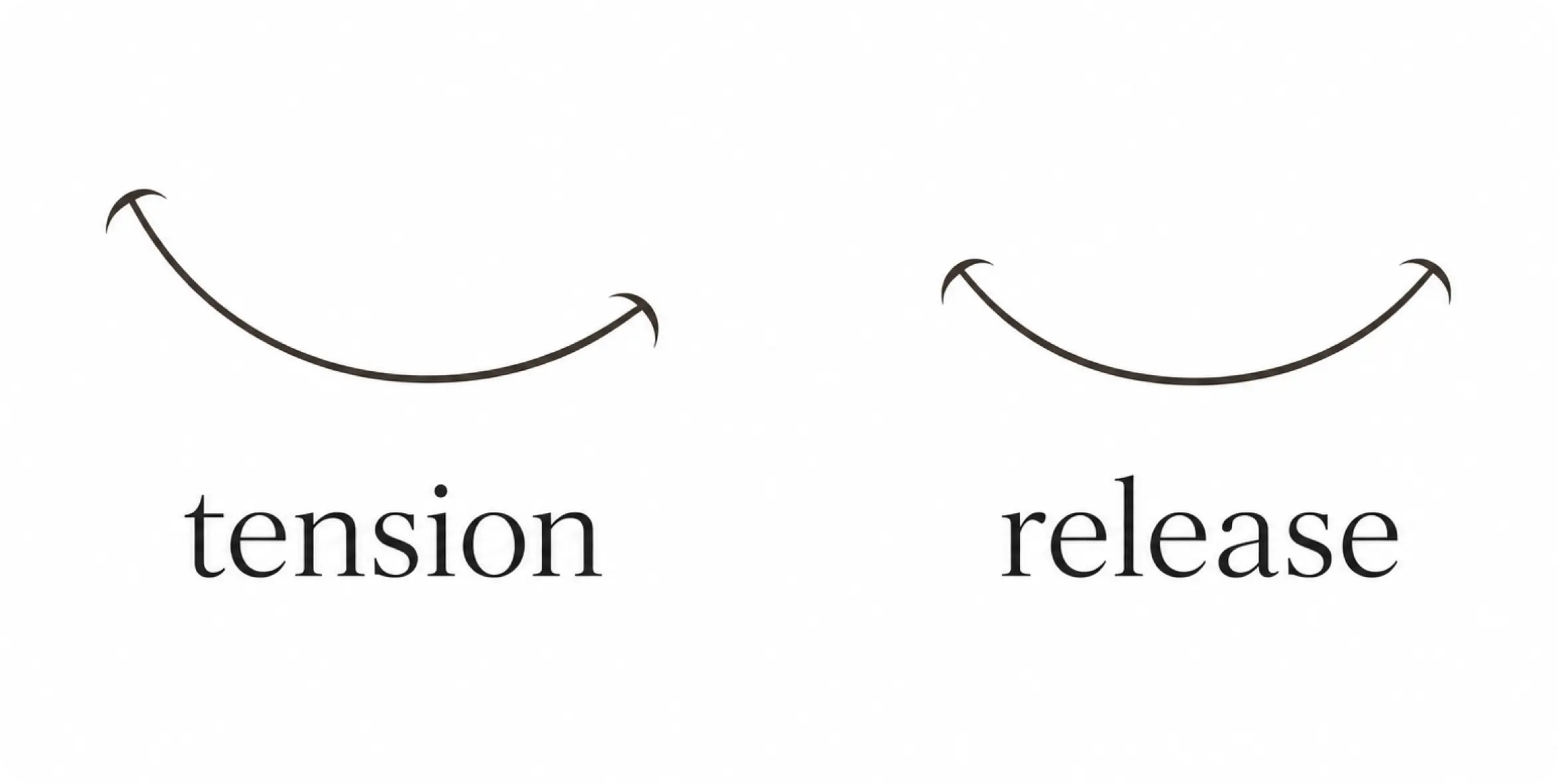
UNEVEN SMILE: WHY ONE SIDE OF THE MOUTH SITS HIGHER AND WHAT FACIAL TENSION HAS TO DO WITH IT
An uneven smile can be one of those details you only notice in photos or videos. One corner of the mouth lifts more. One side of the upper lip looks higher. One cheek seems to move first, while the other appears quieter or tighter. A little facial asymmetry is normal. Almost no one has a […]
Author:MINDBODYFACE
 3
3 0
0
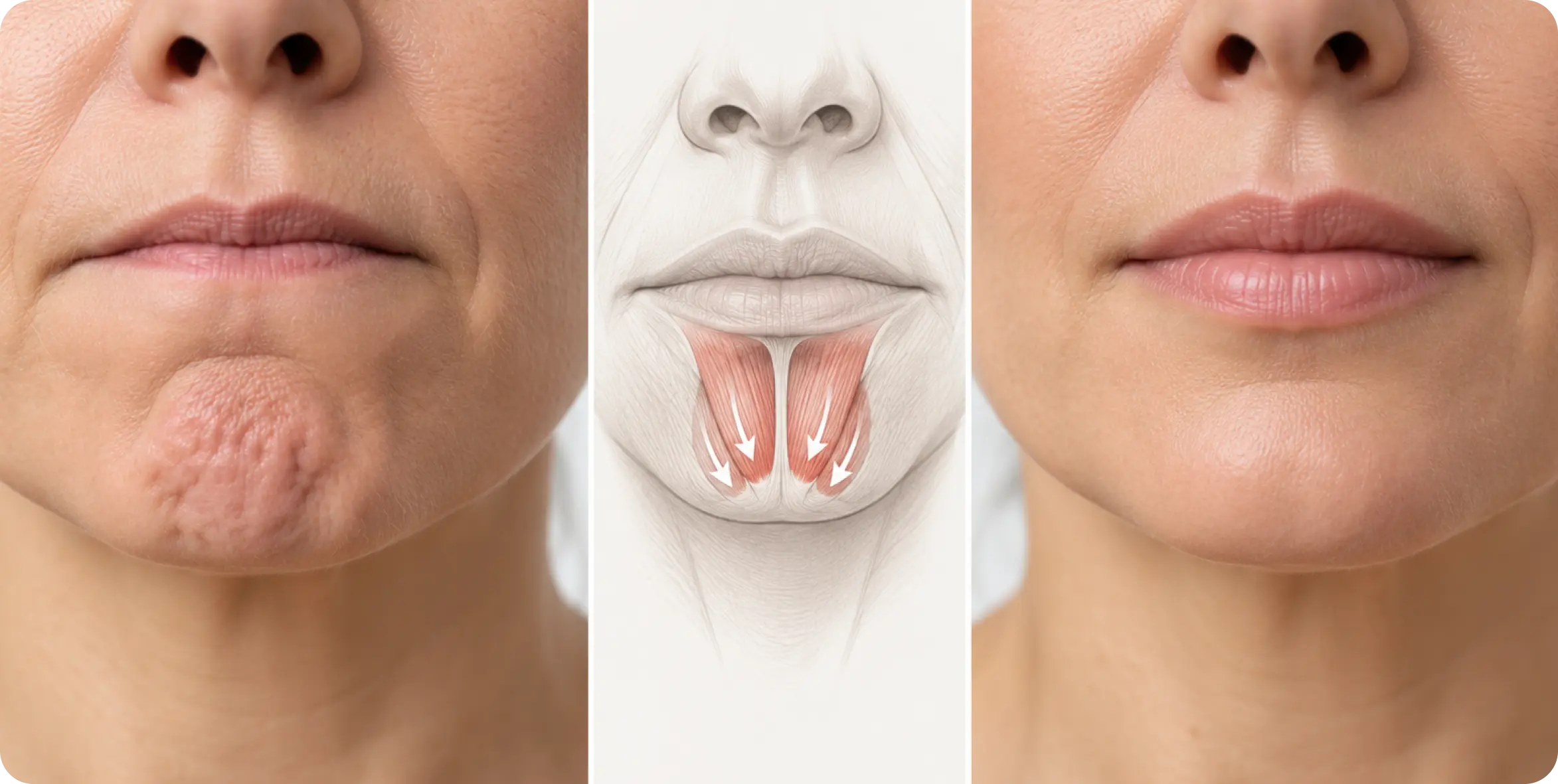
DIMPLED CHIN AND MENTALIS TENSION: WHY THE CHIN LOOKS UNEVEN AND HOW TO RELAX IT
A dimpled chin can make the lower face look tense even when you are not upset. The skin may appear bumpy, gathered, or uneven when you talk, smile, concentrate, swallow, or press your lips together. For some people, this texture appears only during expression. For others, it remains visible at rest. The common reason is […]
Author:MINDBODYFACE
30
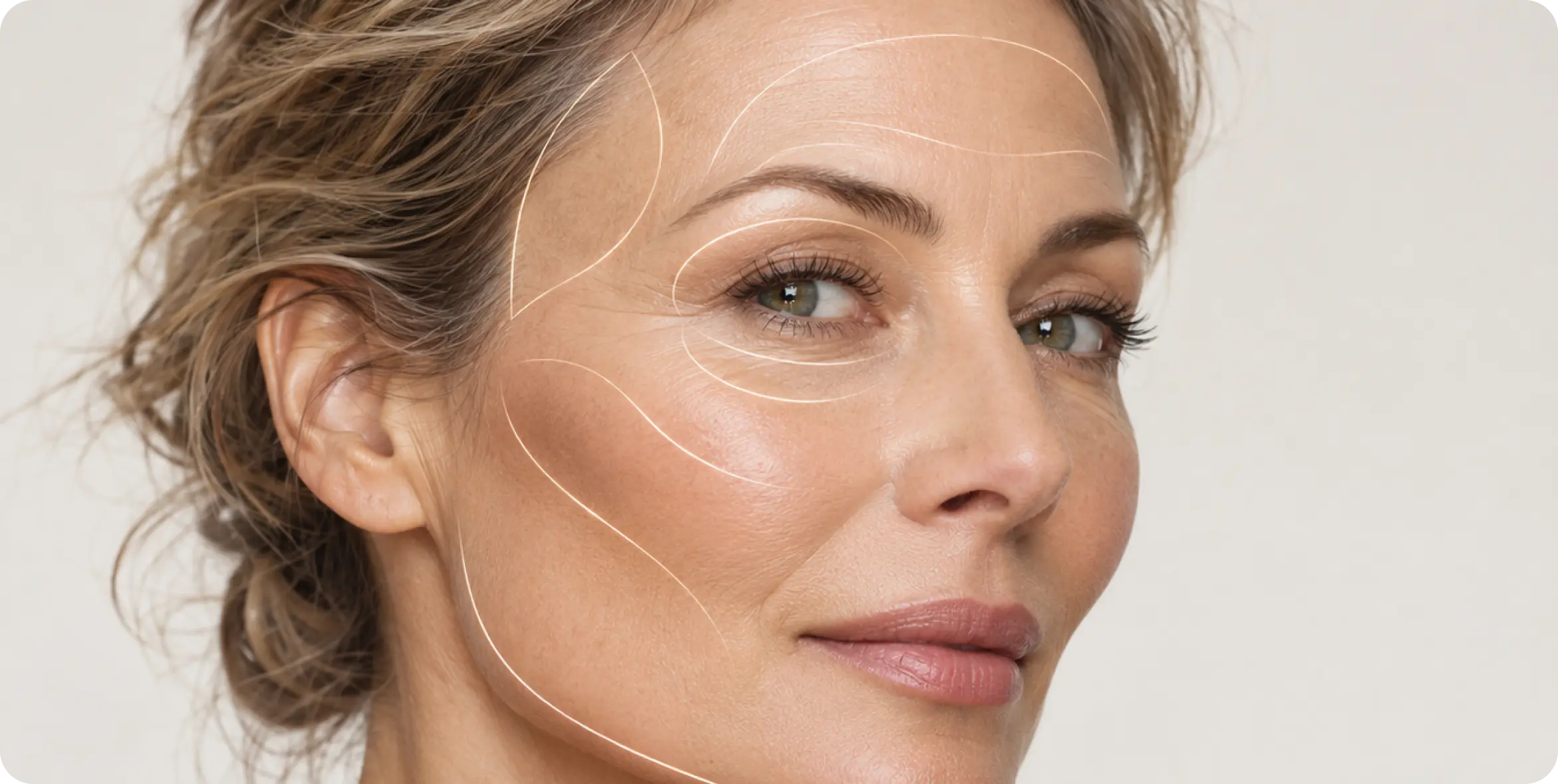
HOLLOW TEMPLES: WHY TEMPLES LOSE VOLUME AND HOW FACIAL AGING CHANGES THIS AREA
Hollow temples are the indentations that can appear at the sides of the forehead, between the outer eyebrow, hairline, and upper cheekbone. Temple hollowing can make the upper face look narrower, more angular, or more tired—even when your skin is smooth and your cheeks still have volume. This area is easy to overlook. People often […]
Author:MINDBODYFACE
160
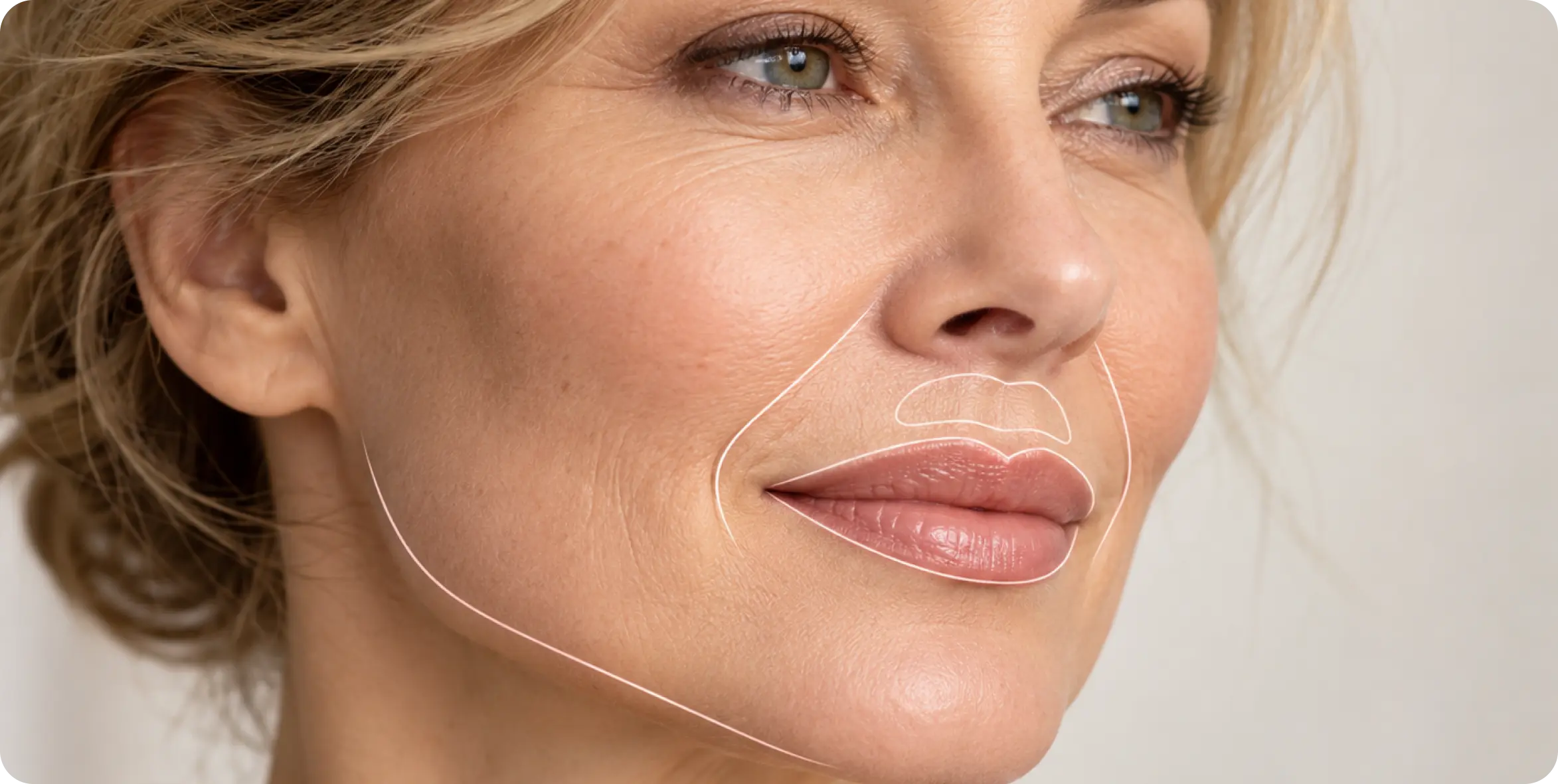
LIP LINES AND SMOKER’S LINES: CAUSES AND NATURAL WAYS TO SOFTEN THEM
Lip lines are the fine vertical creases that appear on and above the upper lip. They are often called smoker’s lines, but smoking is only one possible cause. Sun exposure, natural skin aging, repeated mouth movements, dryness, genetics, and changes in the tissues around the mouth can all make vertical lip lines more visible. These […]
Author:MINDBODYFACE
100


MINDBODYFACE LLC
1021 E Lincolnway Suite 8342, Cheyenne, WY 82001
+16282892382
All services and information on this website are for educational purposes only and do not constitute medical advice or treatment -