Dec 19, 2025
•8 minutes read
•Author: MINDBODYFACE
You lose 7–10 years of youth if you ignore tension in your neck and jaw

Facial massage with osteopathy elements is a highly precise manual approach aimed at restoring the structures of the face and body. Natural osteopathic correction of facial contours affects the lymphatic, nervous, skeletal, and muscular systems, which contributes to deep tissue rejuvenation.

Skin aging is associated with deterioration of facial muscles, tension in the neck, spine, pelvis, feet, and stressful conditions. For example, facial asymmetry is associated with spasms of the masticatory muscles, dysfunction of the temporomandibular joint, or overexertion in the cervical spine.

Facial osteopathy techniques for rejuvenation

Non-surgical osteopathic correction of facial asymmetry is precision work based on the understanding of muscle and fascial connections. When tissue mobility is restored and hidden tension is eliminated, the face reacts instantly: lines become clearer, puffiness disappears, the tone of the facial muscles evens out, and natural youthfulness returns.

What is the osteopathic faceplasty technique based on?
- Cranial techniques and mobilization of the skull bones for facial rejuvenation
These techniques allow the physiological micro-movements of the skull bones to be restored. The specialist gently corrects the position of the cheekbones, frontal bones, and temporal bones. This helps to eliminate functional blocks in the wings of the sphenoid bone and restores the balance between the temporomandibular joint and the dentofacial system.

- Osteopathic techniques for sculpting the jawline
A clear, beautifully defined chin line is the result of deep tissue balance and proper biomechanics of the lower jaw. It is necessary to mobilize the temporomandibular joint, eliminate muscle spasms, correct the hyoid bone, and eliminate tissue swelling.

- Gentle muscle-fascial techniques for face lifting
Facial osteopathy methods for correcting the jawline, working with facial and masticatory muscles, fascia in the cheekbone and cheek area, as well as working with the neuromuscular system.

- Correction of facial asymmetry
Analysis of cranial biomechanics — alignment of the temporal, frontal, and zygomatic bones, correction of the temporomandibular joint, restoration of skull membrane mobility, facial and neck symmetry, and elimination of upper jaw misalignment

- Lymphatic and vascular techniques
This is the final stage, which enhances the aesthetic effect of all structural corrections. Specialists restore lymph flow, improve cerebral blood flow, fluid drainage, and skull mobility.
After a full course of procedures, the face becomes:
✔ more toned — without artificial tension,
✔ more symmetrical — without surgery,
✔ more structured — thanks to work with bones and fascia,
✔ younger — due to the activation of regeneration mechanisms and improved microcirculation.
Restoring facial balance
Facial aesthetics is not just about skin, muscles, and facial expressions. It is a complex biomechanical system where each structure influences the other: from the mobility of the skull bones to the condition of the feet. And this is where osteopathy proves itself to be a powerful method of rejuvenation, correcting asymmetry and restoring harmony without surgery or injections.
Cranial osteopathy for facial asymmetry: gentle mobilization of the cranial sutures
The bones of the skull have micro-mobility, and the sutures connecting them have unique elasticity. When one of the sutures loses mobility due to stress, muscle imbalances, trauma, or disruption of the skull’s rhythm, it is reflected in the face.
Loss of mobility leads to changes in the symmetry of the zygomatic arches, increased tension in the masticatory muscles, impaired lymphatic drainage, increased wrinkles, and muscle tightness.
The advantages of osteopathic facial massage are that it helps to mobilize the cranial sutures, restores cranial rhythm, and corrects micro-displacements of the wedge-shaped and facial bones. This evens out facial symmetry, improves blood circulation, reduces puffiness, and provides a natural lift without surgical intervention.
- Anti-aging effect through fascia work
Fascia is a living, intelligent tissue consisting mainly of collagen. The role of fascia and osteopathy in facial rejuvenation is to transmit information signals throughout the body. That is why they react to any tension: muscles, emotions, posture, breathing. And when the fascia of the face or neck becomes dense, it manifests itself visually:
- puffiness under the eyes,
- loss of facial contour definition,
- a feeling of heaviness in the face,
- premature aging of tissues.
How fascia helps create a lifting effect:
✔ Collagen fibers generate weak electrical signals when stretched or compressed. These signals activate cells that restore and renew the fascia.
✔ The condition of the fascia can be used to determine how freely fluids flow. If they are dense, “bags” appear under the eyes and the oval “blurs.” When fascial pressure is reduced, swelling decreases during the session.
✔ Fascia forms the “framework” of the face: when it is spasmodic, the face “slides” down. Therefore, working with fascia leads to structural lifting.
Results of working with fascia:
- Reduction of swelling in the lower third of the face and under the eyes
- Improved tone and clarity of the oval
- Relaxation of the nervous system
- Facial tension is relieved
- Restores head mobility and stretches the neck
- Improves blood supply to facial tissues
How does facial osteopathy reduce puffiness under the eyes and restore facial balance?
When osteopaths combine mobilization of the cranial sutures with deep fascial correction, a powerful effect occurs:
✔ Facial symmetry improves due to normalization of the bone structure and elimination of fascial imbalances.
✔ Swelling, including the area under the eyes, disappears thanks to the restoration of venous outflow and lymphatic drainage.
✔ Skin quality improves due to increased microcirculation and activation of connective tissues.
✔ Natural lifting occurs as the fasciae return to their physiological tone and restore tissue shape.
✔ The face becomes “light,” harmonious, and youthful because the bone and fascia structures work as a single system again.
Benefits of osteopathic facial massage
Most people believe that wrinkles are a skin problem. But the real changes occur in the deep tissues, including fat pads, fascia, and muscles. Tension in these structures leads to jowls, nasolabial folds, a double chin, and a “tired” appearance.
Osteopathy for TMJ dysfunction and facial wrinkles helps:
- Relax facial muscles
- Eliminate muscle spasms that cause frown lines, forehead wrinkles, tension in the nasolabial area, and asymmetry
- Removing tightness and improving the functioning of the temporomandibular joint
- Creating a natural lift through fascial work
- Reduce puffiness and bags under the eyes
- Reducing the depth of wrinkles and smoothing out creases
- Providing a general health-improving effect — improving breathing, gastrointestinal function, relieving tension in the neck and trapezius muscles, normalizing sleep, reducing anxiety, and correcting posture
Basic recommendations for self-massage of the face
Osteopathic relaxation of the facial muscles at home will help maintain relaxation and lymph flow. Each of these actions improves blood circulation and relieves muscle tension:
- Osteopathy for jaw tension and facial aging — gently stretch the chewing muscles by opening the mouth to a comfortable amplitude
- Relaxation of the area between the eyebrows by applying light pressure with your fingers and smoothing out the spasmodic muscle
- Gentle movements along the side of the neck and chest with light pressure to relieve the sternocleidomastoid muscle
- Diaphragmatic breathing to relieve tension in the facial muscles
The essence of the method of faceplasty and osteopathy
Dr. Ales Ulischenko’s osteopathic method of faceplasty is a specialized osteopathic approach to working with the face and skull, based on a professional understanding of human anatomy, physiology, and biomechanics. The approach combines cranial osteopathy, gentle manual techniques, work with the deep structures of the neck and TMJ, as well as restoration of the entire body’s balance.
The goal is to restore the structure and biomechanics of tissues, blood and lymph circulation, explaining through osteopathy in faceplasty how to restore youthfulness to the face and health to the entire body.
FACIAL REJUVENATION AFTER 45: PROCEDURES THAT MAY NOT BE WORTH IT
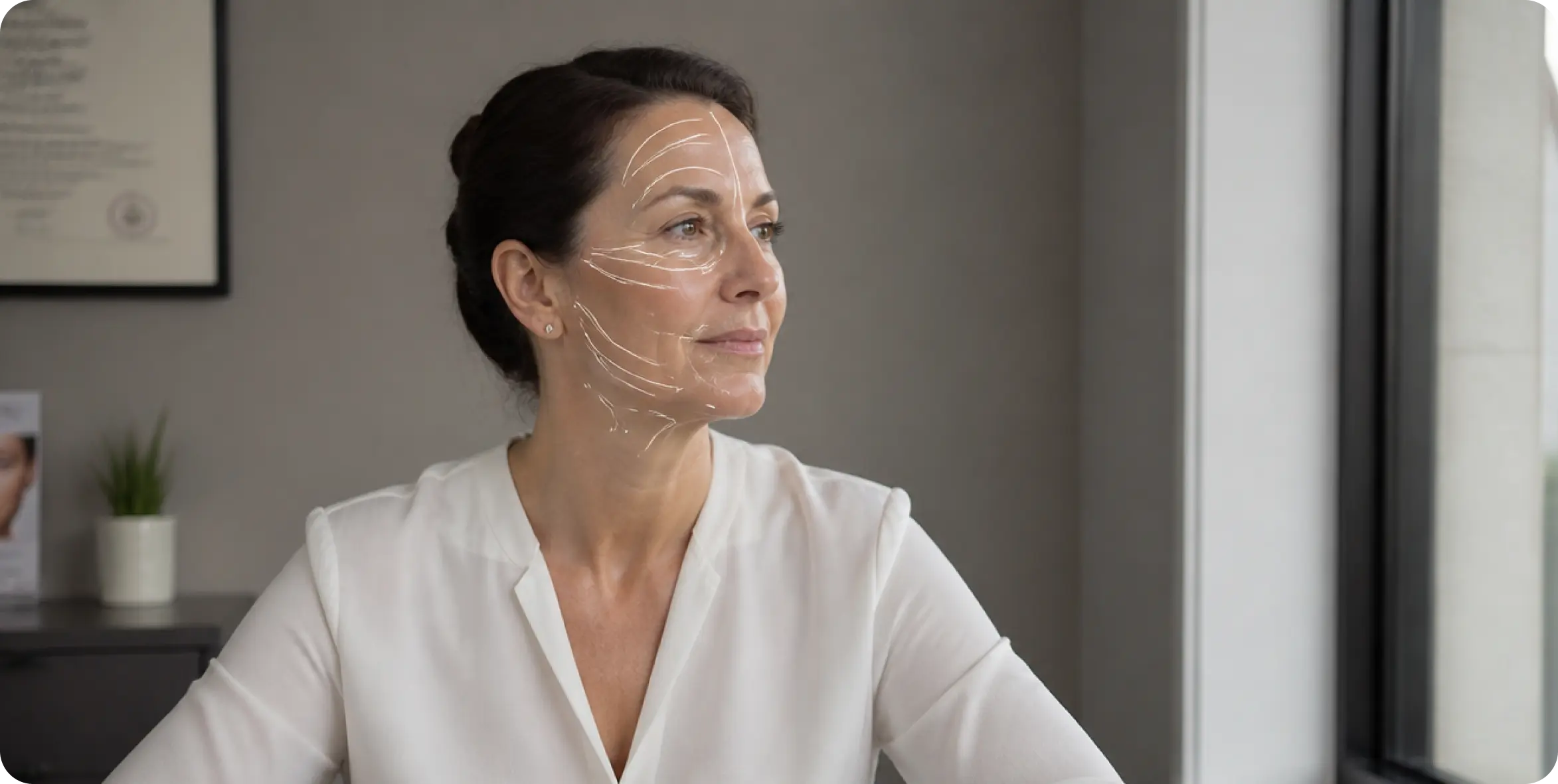
Facial rejuvenation after 45 works best when the treatment matches the actual change you want to address. The useful question is not which option is “best,” but whether a procedure can deliver enough benefit to justify its cost, recovery, maintenance, and possible complications. Many facial rejuvenation procedures after 45 are marketed as universal solutions. Yet […]
Author:MINDBODYFACE
 6
6 0
0
ENHANCING THE NATURAL BEAUTY OF THE LIPS WITHOUT AUGMENTATION
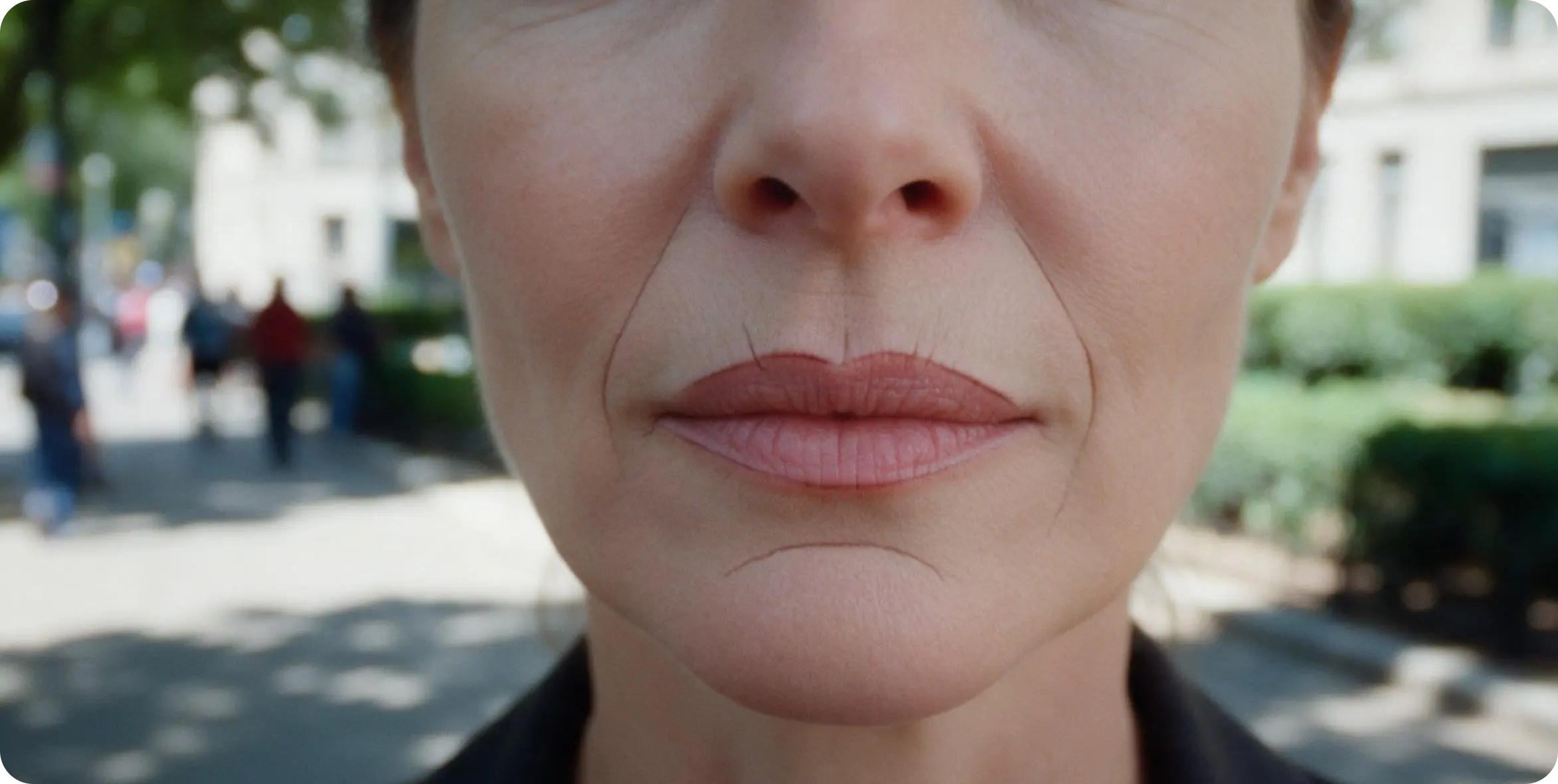
Natural lip enhancement will not give you a new mouth. It can help your existing lips look smoother, healthier, more defined, and less compressed – without fillers, injections, or harsh “plumping” tricks. The visible difference usually comes from simple things: a stronger lip barrier, daily UV protection, less dryness, a relaxed jaw, and skin around […]
Author:MINDBODYFACE
90
FACIAL FAT GRAFTING: ARE THE POTENTIAL RISKS TOO HIGH?
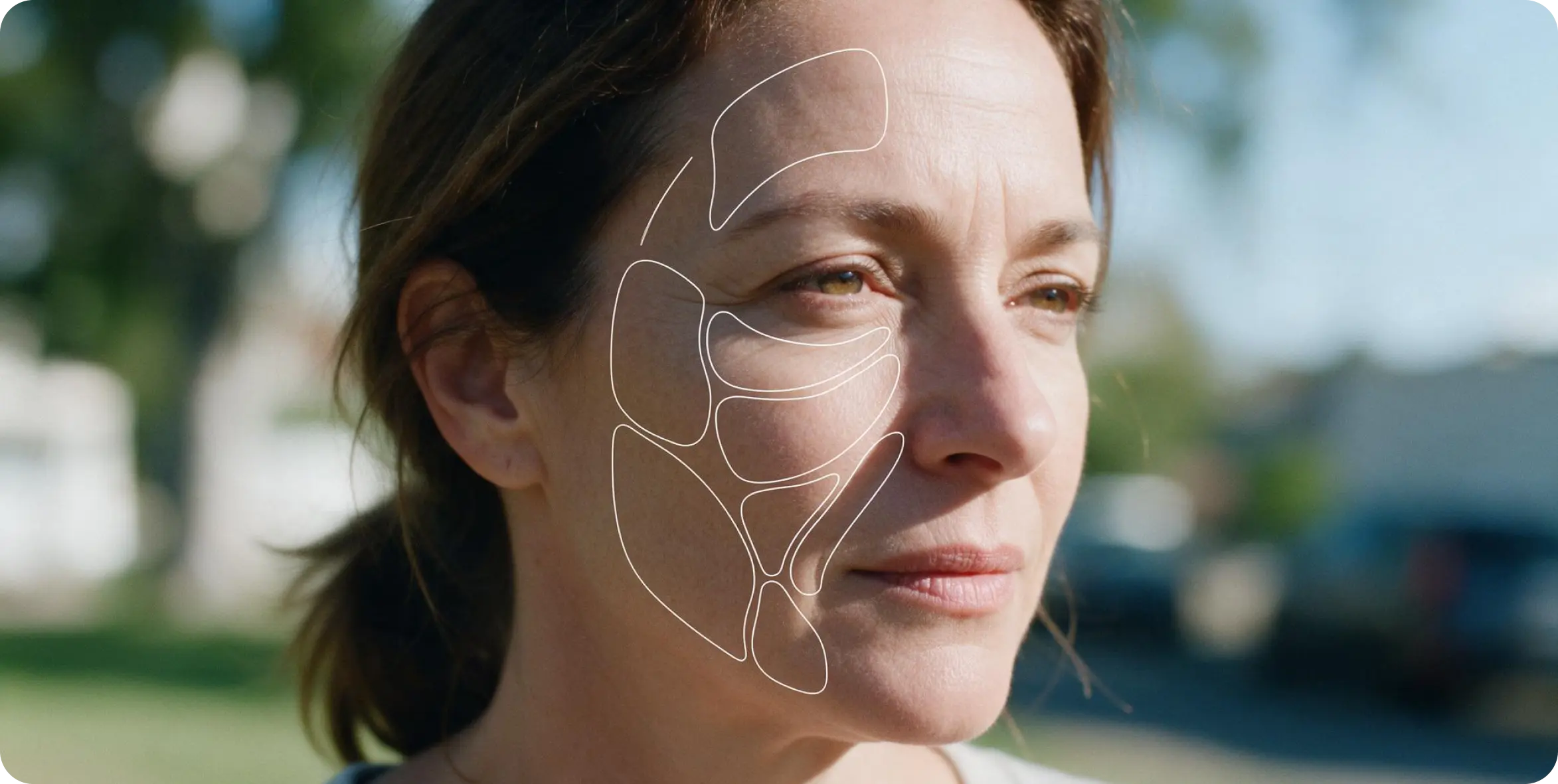
Facial fat grafting risks are not automatically “too high,” but this is a surgical procedure with an unpredictable aesthetic outcome and a small risk of severe complications. For the right patient, treated conservatively by an experienced surgeon, facial fat transfer can restore volume in hollow areas. For someone seeking a perfectly controllable result, a dramatic […]
Author:MINDBODYFACE
120
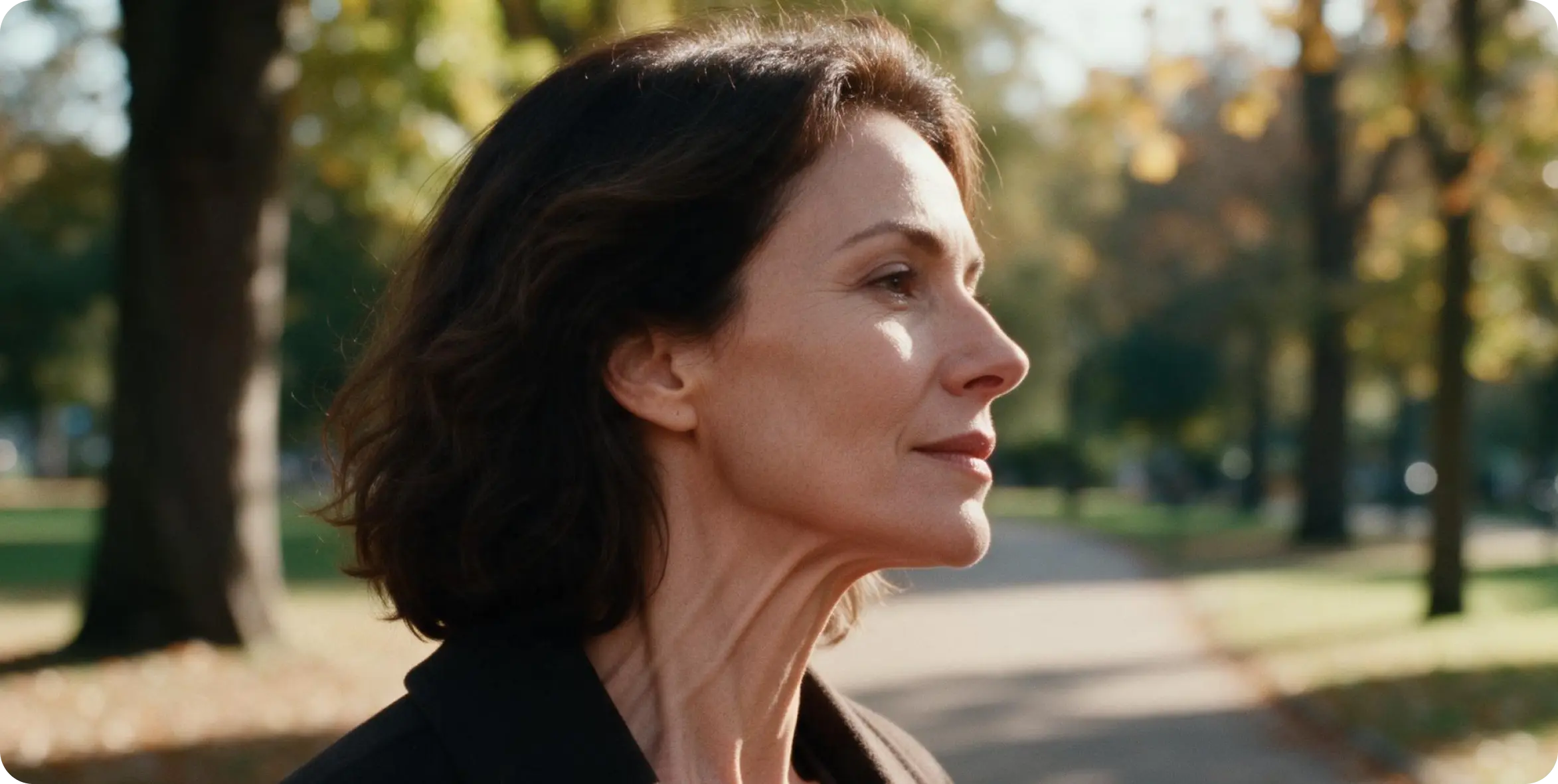
PLATYSMAL BANDS: WHY VERTICAL NECK BANDS APPEAR AND WHAT YOU CAN DO NATURALLY
Platysmal bands are the vertical cords that may appear across the front or sides of the neck when you speak, grimace, turn your head, lift your chin, or tighten your lower face. These neck bands can become obvious in photographs first: your face still looks familiar, while the neck suddenly appears more strained, heavier, or […]
Author:MINDBODYFACE
220


MINDBODYFACE LLC
1021 E Lincolnway Suite 8342, Cheyenne, WY 82001
+16282892382
All services and information on this website are for educational purposes only and do not constitute medical advice or treatment -