Feb 04, 2026
•7 minutes read
•Author: MINDBODYFACE
The effect of cold on facial muscles

At low temperatures, the skin becomes dry and inflamed. This may be temporary or may last for a long time. It all depends on the reason for the facial reaction to cold.
When low temperatures come into contact with the skin, short-term muscle spasms and increased blood flow occur. These processes make the skin look fresh and give the face a healthy glow. This is how cold exposure and facial adaptation work at the microcirculation level.
With the right method of interaction with low temperatures, tension is released from the muscles and the tissues are “reprogrammed” through the nervous system. As a result, the muscles begin to work more efficiently, and the face looks more relaxed and symmetrical.
It is important to understand that cold is a tool, not a universal remedy. The effect depends on the dose, time, and condition of the tissues, and in the case of severe spasms, it can increase tension. True rejuvenation does not come from extreme methods, but from structural work with the entire body system.
How facial tissues react to cold exposure

1. Vascular reaction:
The effects of cold and skin physiology are linked through the vascular system. At low temperatures, a sharp spasm occurs, blood flow decreases, and heat transfer decreases. As soon as the body begins to adapt, the vessels dilate, blood circulation improves, and oxygen supply to the tissues improves.
Such sharp temperature changes have a rejuvenating effect. However, without a consistent strategy, blood circulation in the face is disrupted, and the cold begins to have a harmful effect.
2. Nervous system:
When exposed to cold, the sympathetic nervous system is activated, muscle tone increases, and protective reactions intensify. If the low temperature is short-term, it trains nervous regulation. With prolonged exposure, chronic muscle tension appears.
3. Facial muscle reaction
When exposed to cold, muscles contract briefly and their motor activity decreases. Regular hypothermia leads to chronic hypertonicity, facial asymmetry, and deep wrinkles.
With systematic correct use and adaptation to cold, the vessels in the facial tissues are strengthened, the skin becomes more elastic, and its color improves. With incorrect use, edema and age-related changes appear, and blood circulation is disrupted.
The effect of cold on the skin

1. Epidermal reaction:
The effect of cold on the skin is noticeable at the epidermis level. Low temperatures slow down the sebaceous glands and the process of tissue nutrition, while skin reactivity increases. With measured exposure, the skin adapts, strengthening its protection and thickening the stratum corneum.
2. Dermis reaction:
Blood vessels and fasciae are the first to react to cold. This leads to the constriction of capillaries and a decrease in turgor, which is responsible for skin elasticity. As soon as the muscles warm up, blood circulation and fasciae activity are activated.
Thus, cryotherapy and facial health are linked when the right approach to treatment is taken: short-term cold trains the vessels and maintains the elasticity of the skin.
3. Subcutaneous adipose tissue:
Low temperatures affect metabolism and can both restore the body and destroy it if exposed to excessive amounts. Therefore, cold is never used separately from other procedures. It only has a positive effect when used in combination with other treatments.
With the right dosage of cold, the body responds gratefully: blood vessel walls are strengthened, immunity is increased, and blood circulation is improved. As a result, the tissue’s reaction to cold leads to both a rejuvenating effect and skin irritation.
In the natural rejuvenation system, cold is used only as part of a holistic approach: breathing → muscle relaxation → restoration of blood circulation → work with the entire body system, and then the cold method of exposure is practiced.
Cold therapy and connective tissue reaction
When exposed to cold, the body activates a protective mechanism — vasoconstriction of the facial vessels and adaptation of tissues to the decrease in temperature. Visually, this can manifest itself in the form of pale skin, dryness, and decreased sensitivity. When a thermal reaction occurs, the vessels dilate and lymphatic drainage is activated.
When exposed to cold, skin resistance increases and the effect of facial muscle training occurs:
- Collagen breakdown in tissues slows down
- Blood circulation improves
- Elastin mobility is activated
Cold affects not only the skin, but also the muscle-fascial chains, improving the transmission of signals between the nervous system and the fasciae and restoring the balance between large and small muscle groups. That is why cold therapy to improve facial balance is used in natural rejuvenation methods as a supportive stage. This approach may be relevant after relaxation and restoration of tissue mobility, straightening of posture, neck, and skull bones.
In natural rejuvenation practices, reinforcing forms of treatment are used. For example, cold therapy and facial wipes temporarily remove puffiness, restore healthy tone and a fresh appearance to the skin. A long-term effect can only be achieved after the muscles have been relaxed, but under no circumstances should cold be applied to spasmodic tissues.
What you need to know about cryotherapy
Cryotherapy is the physiological effect of cold on the face with the aim of activating the work of blood vessels and nerve fibers. This method can be therapeutic – for tissue repair – or cosmetic – for a short-term effect without deep treatment.
Therapeutic cold is useful if the tissues are initially mobile, blood circulation and lymph flow are not impaired, and the face is not spasmodic. However, for dehydrated skin, hypersensitive blood vessels, and tense muscles, low temperatures can exacerbate the problem. In such cases, it is worth first working on the muscle and nerve connections, restoring the body’s functioning, and then consolidating the result with cryotherapy.
Advantages of cryotherapy:
- Improved microcirculation and lymphatic drainage
- Reduction of swelling
- Feeling of freshness and elasticity of the skin
- Temporary facial tone evening
- Reduction of facial muscles
- Increased receptor sensitivity
Facial tissue health when exposed to cold is possible with comprehensive treatment in natural rejuvenation programs.
When cold can be harmful:
- With rosacea or severe vascular spasms
- In cases of chronic jaw and neck tension
- In cases of skin hypersensitivity and dehydration
Duration of cold exposure
With controlled exposure to cold, the body does not experience a strong stress reaction, but triggers an adaptation mechanism. Facial tissues learn to respond to low temperatures without sudden muscle and vascular spasms. Due to gentle control, the effect is more long-lasting and less dangerous for the skin.
The effects of cold and collagen’s reaction to its properties help maintain the beauty and youthfulness of the skin. But gradual adaptation to cold affects not only the skin, but also the musculoskeletal system. It helps to reduce tissue spasms, improve the elasticity of the fascia after working it with special facial techniques, and help the muscles regain a healthy tone more quickly. This method prevents premature aging associated with constant tension in the facial expressions and jaw area.
The long-term positive physiological effect of cold on the face will be achieved if the skin is gradually accustomed to the cold without using forceful methods. To keep the body in a calm state and prevent low temperatures from adversely affecting the nervous and vascular systems, it can be combined with relaxing practices and gentle manipulations. In this format, cold becomes a muscle workout rather than a source of microtrauma. In the natural rejuvenation method, cold is not an anti-aging technique, but a tool for consolidating results.
FACIAL REJUVENATION AFTER 45: PROCEDURES THAT MAY NOT BE WORTH IT
Facial rejuvenation after 45 works best when the treatment matches the actual change you want to address. The useful question is not which option is “best,” but whether a procedure can deliver enough benefit to justify its cost, recovery, maintenance, and possible complications. Many facial rejuvenation procedures after 45 are marketed as universal solutions. Yet […]
Author:MINDBODYFACE
 2
2 0
0
ENHANCING THE NATURAL BEAUTY OF THE LIPS WITHOUT AUGMENTATION
Natural lip enhancement will not give you a new mouth. It can help your existing lips look smoother, healthier, more defined, and less compressed – without fillers, injections, or harsh “plumping” tricks. The visible difference usually comes from simple things: a stronger lip barrier, daily UV protection, less dryness, a relaxed jaw, and skin around […]
Author:MINDBODYFACE
20
FACIAL FAT GRAFTING: ARE THE POTENTIAL RISKS TOO HIGH?
Facial fat grafting risks are not automatically “too high,” but this is a surgical procedure with an unpredictable aesthetic outcome and a small risk of severe complications. For the right patient, treated conservatively by an experienced surgeon, facial fat transfer can restore volume in hollow areas. For someone seeking a perfectly controllable result, a dramatic […]
Author:MINDBODYFACE
70
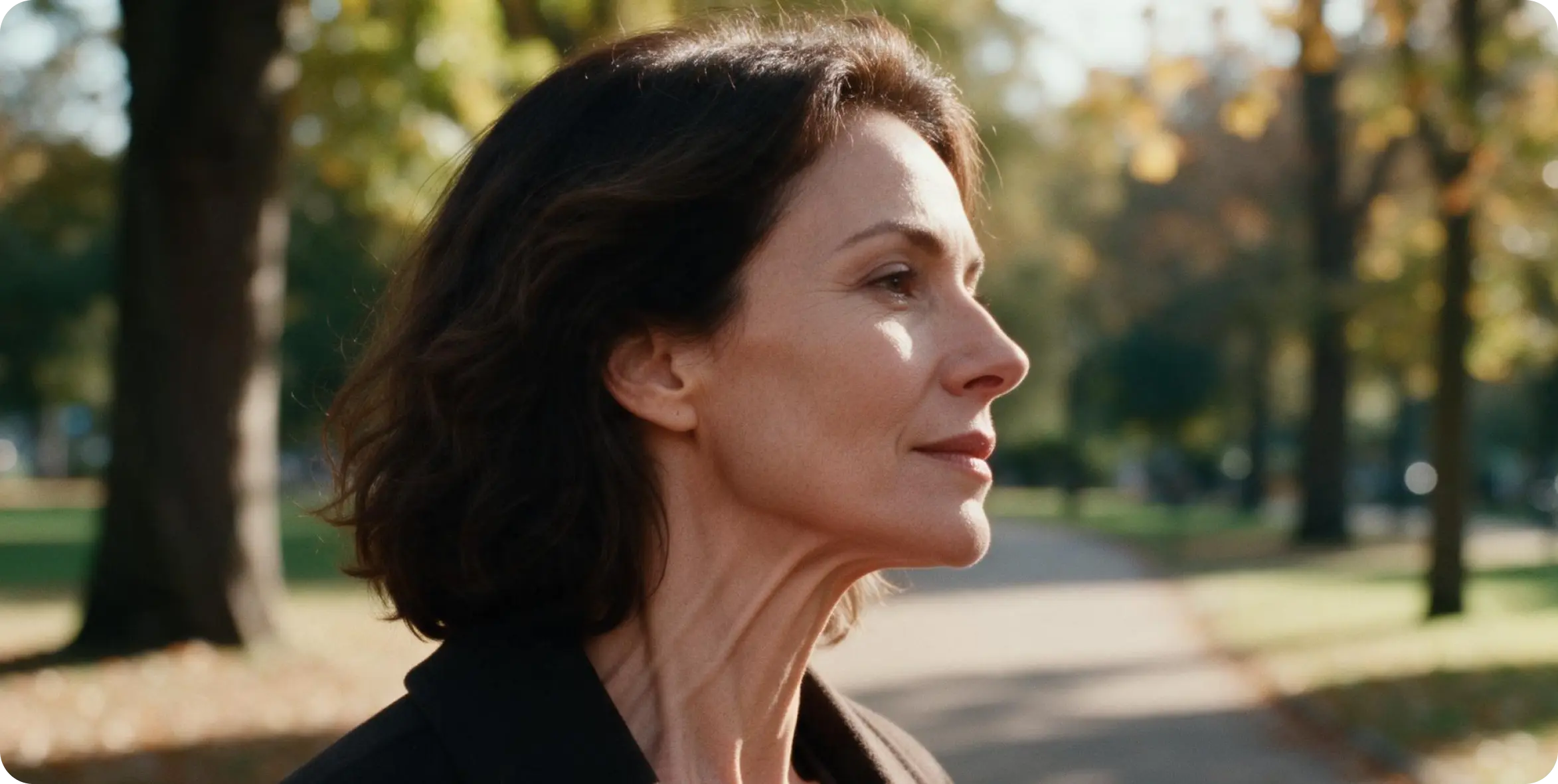
PLATYSMAL BANDS: WHY VERTICAL NECK BANDS APPEAR AND WHAT YOU CAN DO NATURALLY
Platysmal bands are the vertical cords that may appear across the front or sides of the neck when you speak, grimace, turn your head, lift your chin, or tighten your lower face. These neck bands can become obvious in photographs first: your face still looks familiar, while the neck suddenly appears more strained, heavier, or […]
Author:MINDBODYFACE
80


MINDBODYFACE LLC
1021 E Lincolnway Suite 8342, Cheyenne, WY 82001
+16282892382
All services and information on this website are for educational purposes only and do not constitute medical advice or treatment -