Feb 04, 2026
•8 minutes read
•Author: MINDBODYFACE
Urban environment and stress on the face — how to protect your skin from aging

The rhythm of the metropolis affects the face not only through the environment, but also through chronic stress and disruption of natural recovery rhythms. Urban life and facial aging are much more closely linked than is commonly believed.
Polluted air, constant visual and information overload — all of this triggers stress reactions in the body. Cortisol levels rise, microcirculation is disrupted, and the inflammatory process intensifies. As a result, the skin loses its radiance, becomes more sensitive, and swelling and early wrinkles appear.
Stress in an urban environment is almost imperceptible, but it accumulates in the form of tension and is fixed in the muscles of the face, neck, and back, forming tightness and asymmetry. At the same time, lymphatic drainage is disrupted, tissue nutrition deteriorates, and the oval of the face changes. Even with high-quality care, the skin looks tired if the nervous system is constantly working in survival mode.
The face is one of the most sensitive areas to changes occurring within the body. Lack of sleep, sedentary work, shallow breathing, and constant rushing are reflected on it faster than on other parts of the body. That is why the influence of lifestyle on the facial appearance is often stronger than the influence of genetics or cosmetics.
The modern approach to rejuvenation is not about fighting the consequences, but about reducing the stress itself:
- restoring the nervous system;
- working with muscle tension in the face and neck;
- improving blood and lymph circulation;
- forming habits that support health and youthfulness.
Faceplastica methods, breathing techniques, and work on posture and sleep rhythms help the face adapt to the urban environment without aggressive interventions.
Habits that affect appearance
The city itself does not age — constant stress and lack of necessary recovery do. When lifestyle becomes more conscious, the face reacts first: radiance, clear contours, and skin elasticity appear.
Constant emotional and physical tension activates the nervous system. Chronic spasms occur in the jaw, forehead, between the eyebrows, neck, and lips. Over time, these spasms become fixed, disrupting the symmetry of the face and increasing wrinkles and sagging of the chin.
Urban stress and appearance directly affect how we live every day, how we care for our skin, muscles, and even our facial expressions. Exhaust fumes, dry indoor climates, sudden temperature changes, and lack of sleep damage the skin barrier. Blood microcirculation slows down, oxygen deficiency in tissues increases, and inflammatory conditions intensify. As a result, the skin becomes dull, dehydrated, and more sensitive. This is how city life affects skin stability, even with good cosmetic care.
Habits that cause facial tension:
- Sedentary work
- Constant stress
- Limited breathing
- Insufficient mobility
- Excessive use of gadgets
- Poor posture and neck curvature
It is necessary to work on your lifestyle: reduce background stress levels, relax tense facial and neck muscles, support blood and lymph circulation, and restore the upper layer of the skin. This approach helps with urban lifestyle, and skin health is restored, maintaining natural youthfulness without surgical intervention.
Environmental stress factors for the face

Causes of premature aging related to lifestyle and facial health:
- Climatic factors
Temperature changes, dry air, and ultraviolet rays further deplete the skin’s resources. UV radiation leads to photoaging, damages DNA cells, and reduces the skin’s ability to regenerate. Dry air and air conditioning reduce the moisture content of the skin, making it more vulnerable to external irritants.
- Air pollution
This is one of the key environmental stress factors for the skin. Dust, exhaust fumes, heavy metals, and toxins settle on the skin, leading to chronic microinflammation and accelerated destruction of collagen and elastin. As a result, the skin becomes dull, dehydrated, covered with fine wrinkles, and creates the “tired” face.
- Toxins and chemicals
They affect not only the skin but also the nervous system. Constant stress activates the sympathetic nervous system, increasing facial tension, and modern lifestyle literally “seals” it in facial expressions. Clenched jaws and lips, narrowed eyes, and a tense brow become habitual, forming asymmetry, creases, and a wrinkled network.
Facial muscle stress
The manifestation of facial tension due to city life, which people often do not realize:
- Time spent in front of gadget screens
Smartphones and computers cause strain, contraction of the circular muscles of the eyes, and fixation of the gaze. This leads to spasms, poor blood circulation, drooping eyelids, and the appearance of wrinkles. Tilting your head forward when using gadgets puts strain on your neck and lower jaw, which also affects the shape of your face. A double chin and sagging tissue appear.
- Lack of proper rest and chronic stress
Cortisol, the stress hormone, affects muscle tone, skin quality, and tissue repair. As a result, environmental factors that affect facial aging work together: microcirculation and lymphatic drainage slow down, muscle tension increases, and wrinkles appear.
- Emotional state
Facial muscles contract under the influence of expressed emotions. Their suppression, constant control, and the need to “keep a straight face” in society increase spasms in the mouth and jaw area. At the same time, this leads to asymmetry and deepening of nasolabial folds, which does not correspond to a person’s age.
The urban environment and stress create stable muscle patterns that, over time, literally “pollute” facial features and lead to skin aging.
How to eliminate stress and restore youthfulness

Facial tension due to urban life appears in connection with regular stress. Therefore, natural rejuvenation begins with the restoration of the neuromuscular system.
1. Conscious relaxation of the face
Throughout the day, check whether your lips are relaxed, whether the area between your eyebrows is tense, and how your jaw and forehead feel. Simply being aware of this helps you to control your facial muscles and gradually eliminate tension.
2. Working with the jaw
The chewing muscles are particularly sensitive to stress and the first to spasm. Gentle manual techniques help reduce hypertonicity and improve facial tissue nutrition.
3. Breathing practices
Deep, calm exhalation activates the parasympathetic nervous system. By focusing your attention on the face and neck area while breathing, you can gradually reduce muscle tension and improve your overall well-being.
4. Sensory feedback
Gently press your fingers on your forehead, around your eyes, and on your temples to send a signal of safety to your nervous system. Your muscles will begin to relax and your wrinkles will smooth out.
5. Environmental pollution and facial skin condition
Toxins and dust damage the upper layers of the skin and slow down the recovery process. As a result, the skin becomes more sensitive and reacts less well to stress. Adequate hydration, gentle cleansing, and regular rest help the skin react less to environmental influences.
Practical strategies against facial muscle spasms
Environmental stress and skin aging are closely related, as facial expressions react instantly to any irritant. Invasive methods are not able to keep the face in a natural position for a long time, so it is necessary to incorporate daily healthy habits:
- Relaxation
The city forces people to be in constant motion, so it is important not to “add stress” but to regularly return the body to a state of calm and safety. Consciously monitor your breathing, the condition of your facial muscles, and the area around your tongue. Even 3-5 minutes of such relaxation triggers the restoration of blood circulation and lymphatic drainage in the face.
- Straight posture
The face is directly related to the position of the head, spine, neck, and chest. The habit of slouching and looking at your phone creates compression of the vessels and muscle strain.
Practice:
Slowly pull the top of your head upward without straining. Relax your shoulders, straighten your posture, and as you exhale, feel your neck lengthen. Regular practice throughout the day relieves stress on the facial muscles and improves tissue nutrition.
- Holistic work with the face and body
Faceplastica techniques can be used to combat stress-induced facial aging. They reduce hypertonicity, smooth out facial expressions, and restore natural mobility to the face. Stress accumulates not only in the face, but also in the back, diaphragm, pelvis, and even the feet. Therefore, it is important to include work with the body.
Useful practice:
Slightly rocking the body, walking slowly with attention to support, relaxing the diaphragm through breathing. Such attention will eliminate muscle spasms, restore symmetry, and restore tissue elasticity.
For urban residents, the key is to exercise often and gently. Five to ten minutes of conscious daily work is more effective than infrequent intense exercise. Faceplastica combined with physical practices builds resilience to urban stress. The face becomes calmer, more symmetrical, and more “alive.” It is this approach that allows you to maintain youth and health in the modern urban environment.
FACIAL REJUVENATION AFTER 45: PROCEDURES THAT MAY NOT BE WORTH IT
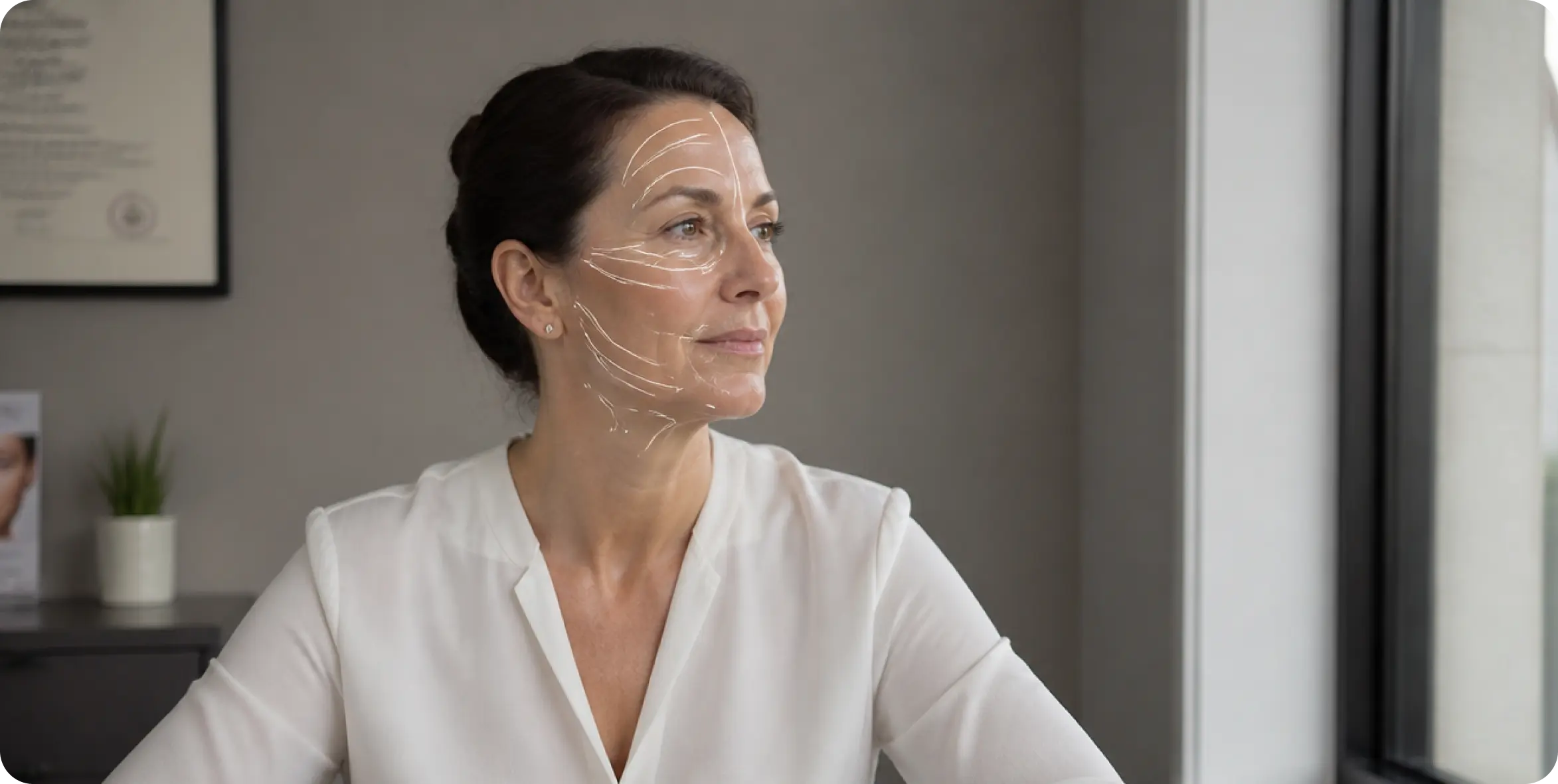
Facial rejuvenation after 45 works best when the treatment matches the actual change you want to address. The useful question is not which option is “best,” but whether a procedure can deliver enough benefit to justify its cost, recovery, maintenance, and possible complications. Many facial rejuvenation procedures after 45 are marketed as universal solutions. Yet […]
Author:MINDBODYFACE
 3
3 0
0
ENHANCING THE NATURAL BEAUTY OF THE LIPS WITHOUT AUGMENTATION
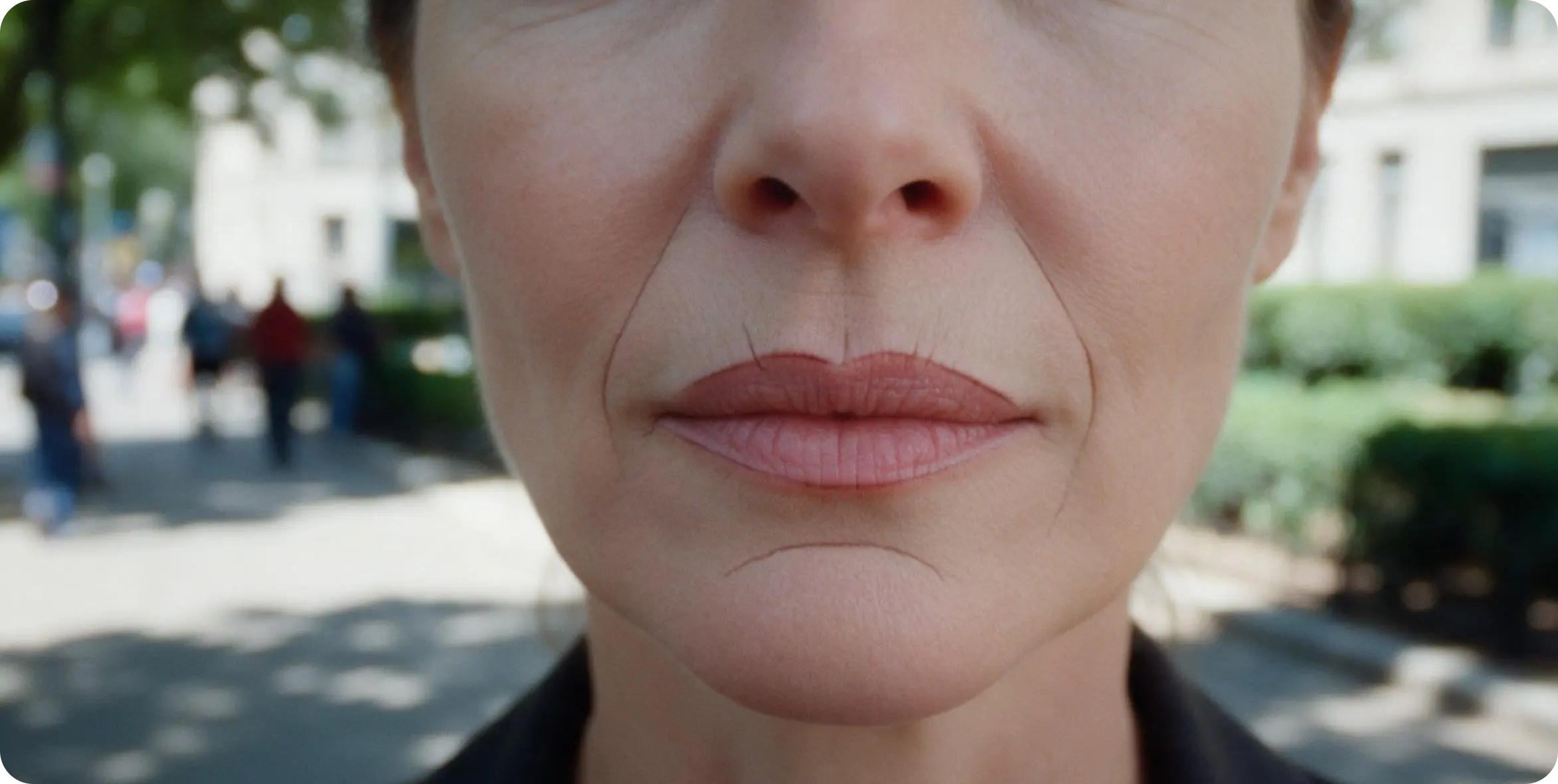
Natural lip enhancement will not give you a new mouth. It can help your existing lips look smoother, healthier, more defined, and less compressed – without fillers, injections, or harsh “plumping” tricks. The visible difference usually comes from simple things: a stronger lip barrier, daily UV protection, less dryness, a relaxed jaw, and skin around […]
Author:MINDBODYFACE
60
FACIAL FAT GRAFTING: ARE THE POTENTIAL RISKS TOO HIGH?
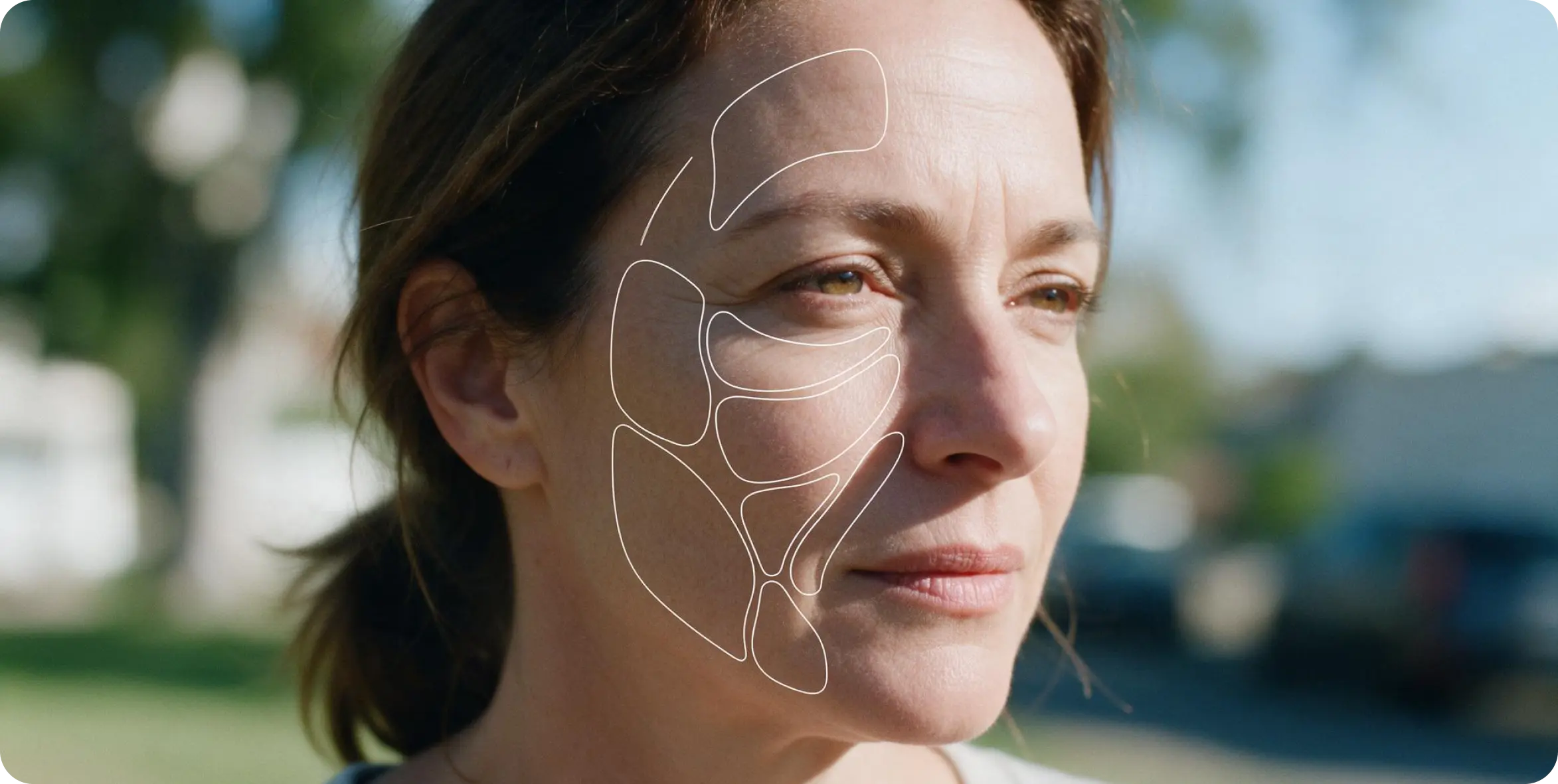
Facial fat grafting risks are not automatically “too high,” but this is a surgical procedure with an unpredictable aesthetic outcome and a small risk of severe complications. For the right patient, treated conservatively by an experienced surgeon, facial fat transfer can restore volume in hollow areas. For someone seeking a perfectly controllable result, a dramatic […]
Author:MINDBODYFACE
80

PLATYSMAL BANDS: WHY VERTICAL NECK BANDS APPEAR AND WHAT YOU CAN DO NATURALLY
Platysmal bands are the vertical cords that may appear across the front or sides of the neck when you speak, grimace, turn your head, lift your chin, or tighten your lower face. These neck bands can become obvious in photographs first: your face still looks familiar, while the neck suddenly appears more strained, heavier, or […]
Author:MINDBODYFACE
150


MINDBODYFACE LLC
1021 E Lincolnway Suite 8342, Cheyenne, WY 82001
+16282892382
All services and information on this website are for educational purposes only and do not constitute medical advice or treatment -