Feb 03, 2026
•9 minutes read
•Author: MINDBODYFACE
Training facial muscles through body signals

People unconsciously frown or smile unnaturally, causing their muscles to spasm and their faces to age prematurely. You can eliminate this harmful habit and preserve your youth with the help of biological feedback.
Biofeedback is a non-invasive facial therapy that shows tense muscles and helps eliminate the cause by teaching you to “hear” your body’s signals. Instead of injections and surgical procedures that “freeze” the face, this method helps eliminate the problem from within. Patients watch a screen that shows how their facial muscles work and learn to relax tense areas.
Biological feedback for facial muscles is a method that helps a person consciously control the processes in the tissues for maximum relaxation. The nervous system receives data about the state of the ongoing processes, and the person learns to regulate them. In faceplastica, specialists use this method so that the patient can see and eliminate tension in real time.
Clients who have gone through biofeedback note that their face looks more symmetrical and wrinkles are less noticeable, not only because of relaxation, but also because of improved blood circulation. Unlike cosmetic procedures, biofeedback changes habits, making the face healthier and younger.
How biofeedback works

During the procedure, special devices are used to show the work of muscles and nerve impulses in real time. This allows the client to notice tension, understand how it affects their condition, and learn to relax.
How does this help the face?
In faceplastica, biological feedback from the facial muscles is an indicator for restoring facial symmetry by changing habits. The facial muscles are connected to the nervous system. They react to emotions, and their tension, on the contrary, can increase stress.
- Regulation of the nervous system
Special sensors show muscle activity and nerve impulses, providing information in the form of sound or images. For example, when a person raises their eyebrows, the signal changes, and they see the connection between their actions and their consequences. This teaches the nervous system to better control muscle tone, removing tension and maintaining balance.
- Self-control
During strong impulses, the client visualizes the problem area. Biofeedback will show how to relax tense areas of the face to prevent wrinkles, improve blood circulation, and restore balance to the facial muscles. At the same time, it gradually becomes a habit: the face relaxes, the muscles work in unison, and wrinkles begin to smooth out.
How to detect frequent facial muscle contractions
Nervous breakdowns, constant stress, sedentary work, or bad habits lead to chronic muscle tension. When facial muscles are overused, the tissues begin to tire, weaken, blood circulation deteriorates, the oval of the face loses its clarity, and a person appears older than their age.
How muscle tension manifests itself externally:
- Asymmetry:
Constant tension causes imbalance—one side of the face works more actively than the other. At the same time, this leads to asymmetry: for example, one eyebrow is higher, or one cheek drops lower than the other.
- Wrinkles:
Folds around the mouth, “crow’s feet” appear and wrinkles on the forehead become deeper because the muscles do not relax even during sleep.
- Bruxism is often an unconscious habit, especially during sleep. Due to uncontrolled facial expressions, the muscles work too actively, affecting the chewing and temporal areas. This not only causes headaches, but also makes the face look heavier and the cheeks puffy.
As a result, excessive muscle activity leads to rapid aging, making the face less attractive and more tired. Biological feedback for facial tension relief helps you become aware of your habits with the help of special devices or mirrors that show what is happening to your muscles at the moment.

During the session, the patient sees how the muscles tense and relax. As a result, facial tension is reduced, asymmetry gradually disappears, wrinkles are smoothed out, and the face looks more natural.
Conscious muscle relaxation training
Faceplastica sessions are attended by clients who have been pumping up their facial muscles with strength exercises. Active training only affects the large muscles of the face, disrupting their connection with the rest of the system. As a result, the muscles become too tense, tone increases, wrinkles deepen, and more pronounced asymmetry appears.
Facial muscle awareness training is an effective tool for rejuvenation. It is necessary to practice awareness in order to measure tension and establish a connection between the brain and muscles. It is important not to tense the face, but to gently engage the necessary fibers and relax them in time. This is work with muscle control through the nervous system, not with brute force.
When a person becomes aware of their facial movements, everything changes:
- Tension decreases
- Facial expressions become more natural
- Tissue nutrition improves
- The face looks young and rested
Biofeedback in facial therapy can be visual or physical. It allows you to release tension, increase the accuracy of movements, and helps create new neuromuscular connections. Mirrors, tactile sensations, breathing, and unique facial plastic techniques help the brain see and correct muscle function.
Conscious work with the facial muscles helps to:
- Slow down aging without aggressive methods
- Maintain symmetry and tone
- Prolong the effect of procedures
- Preserve natural facial expressions and individual features
Methods for relieving tension in the facial muscles
You can walk around with tense muscles for years and not even feel it. Biological and sensory feedback help the brain to see excessive tension and study it at the level of sensations. Facial muscle relaxation techniques help restore symmetry, healthy tone, and youthfulness to the face.
You can reduce excessive tone with the help of:
- Mirrors
Make slow, conscious movements with your facial muscles in front of a mirror, trying to maintain symmetry and uniform dynamics. During this, the brain compares the sensations and the image in the mirror. This reduces excessive activity of the facial muscles and teaches you to control your muscles without overexertion, which is especially effective for the active muscles of the forehead, between the eyebrows, and around the mouth.
- Sensory feedback through touch
Light touches with your fingers calm the nervous system. With light pressure, touch the tense area with your fingers, for example, the chewing muscles, temples, or neck. Make minimal movements or, conversely, do not move at all.
Focus on the sensations of warmth, pulsation, or “melting” of the tissues.
This helps to relieve muscle tension and trigger natural relaxation processes.
- Working with the jaw using gentle movements
The jaw area is very important in the aging process. Feedback here is achieved by slowly opening and closing the mouth.
Observe the trajectory of the jaw movement.
Pause and work on areas where there is more tension. It is important not to stretch the muscles, but to restore their normal function.
- Mental commands and breathing
Breathing is also a way to get feedback. As you exhale, focus your attention on your eyes, neck, or jaw. This practice relaxes the tense area and eliminates pain in the problem area.
You can also give mental commands such as “let go” or “relax.” Pause to feel the changes in your sensations. This will help you develop a lasting relaxation skill, rather than just a temporary effect.
- Conscious work with the area around the eyes
The eyes are in the area of constant tension, so they need special attention. Close your eyes and gently cover this area with your palms, without applying pressure. Focus on the sensations of heaviness and warmth. This helps to reduce the load on the circular muscles of the eyes and improve blood circulation.
Biofeedback techniques for relieving facial tension help to:
- Eliminate chronic muscle tension
- Improve blood and lymph circulation
- Make the face more symmetrical
- Enhance the effect of facelifts and manual techniques
True rejuvenation begins when the face is no longer tense. Biofeedback teaches you not to overdo it in training, but to move further and deeper into tissue relaxation. This is what restores youth, softness, and naturalness to the face.
How to restore health and youth
Facial muscles are controlled by facial nerves, and their work depends on the quality of the neuromuscular connection. Chronic stress, emotional restraint, and harmful facial habits cause all muscles to become either hyperactive or “frozen.” Therefore, it is important not to increase muscle tone, but to change the approach to controlling them.
Biofeedback helps the brain observe which muscles are overworked and which are barely involved in the process. The activity of spasmodic muscles gradually decreases. This allows you to develop the habit of paying attention to the state of hyperactive muscles.
Asymmetry is often associated with different levels of muscle control due to a lack of neuromuscular training of the facial nerve. Biofeedback helps to balance the tone of the right and left sides, get rid of the habit of pulling the face to one side, restoring nerves and making facial expressions more harmonious.
Regular sessions using a biofeedback help maintain muscle balance and improve skin condition by normalizing blood circulation and lymphatic drainage. This is an excellent addition to the faceplastica method, which slows down the aging process and restores the health of the face and body from within.
Biofeedback as part of modern facial therapy
In aesthetic medicine, working through the restoration of internal mechanisms is becoming increasingly important. Faceplasty combined with biological feedback is one of the most natural and promising approaches to facial rejuvenation, based on neuromuscular control and conscious work with tissues.
Facial plastic surgery aims to restore the balance of the bone structures of the skull, fascia, and facial muscles. It eliminates the underlying causes of age-related changes—displacement, compression, support disorders, and asymmetry—that have developed over the years. However, for a lasting result, it is important not only to mechanically correct the tissues, but also to change the functioning of the nervous system and bone structure of the face. Biofeedback plays a key role here.
Biological feedback in aesthetic medicine (BFB) in the context of faceplastica helps to identify chronically overstrained areas in the jaw, forehead, eyes, and neck, and gradually reduce the activity of overactive muscles without strength training.
The combined use of faceplastica and BFB allows you to:
- Restore neuromuscular balance between hyperactive and weakened muscles
- Reduce background tension that causes wrinkles, asymmetry, and puffiness
- Improve facial coordination and natural facial expressions
- Consolidate changes at the nervous system level, not just in the tissues, through conscious facial movements
It is important to understand that the face ages not only because of gravity or collagen loss, but also because of distorted muscle control patterns. Biological feedback allows you to “retrain” the face — to return it to a smoother “mode of operation.” As a result, the face looks calmer, more “alive,” and younger, without the effect of a “mask” or artificial tension.
Thus, the method of faceplastica combined with biofeedback represents a new standard of non-invasive rejuvenation. It is an approach in which facial structure correction is combined with conscious regulation, and the aesthetic result is a consequence of restoring internal balance, rather than external pressure on the tissues.
FACIAL REJUVENATION AFTER 45: PROCEDURES THAT MAY NOT BE WORTH IT
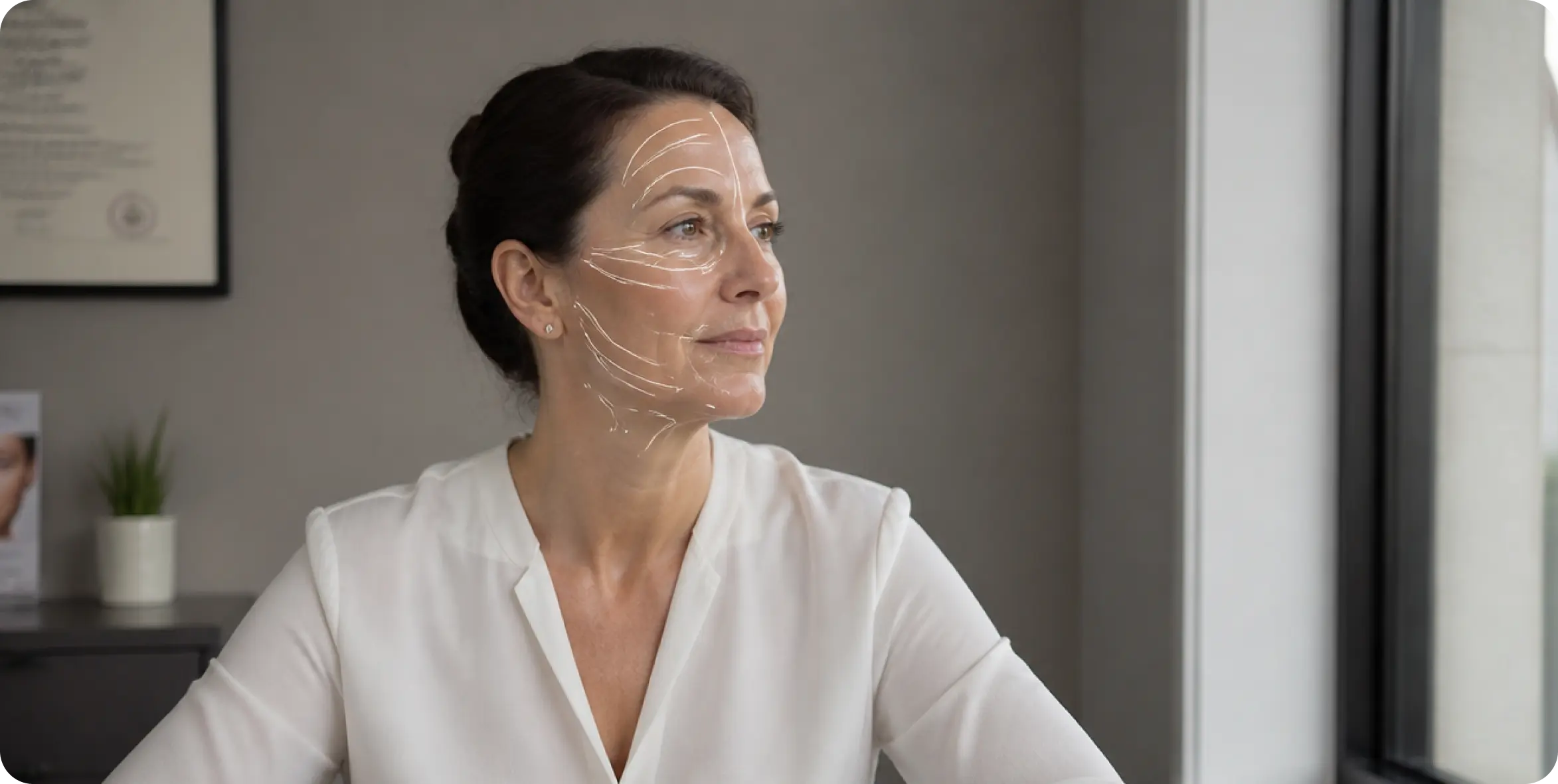
Facial rejuvenation after 45 works best when the treatment matches the actual change you want to address. The useful question is not which option is “best,” but whether a procedure can deliver enough benefit to justify its cost, recovery, maintenance, and possible complications. Many facial rejuvenation procedures after 45 are marketed as universal solutions. Yet […]
Author:MINDBODYFACE
 3
3 0
0
ENHANCING THE NATURAL BEAUTY OF THE LIPS WITHOUT AUGMENTATION
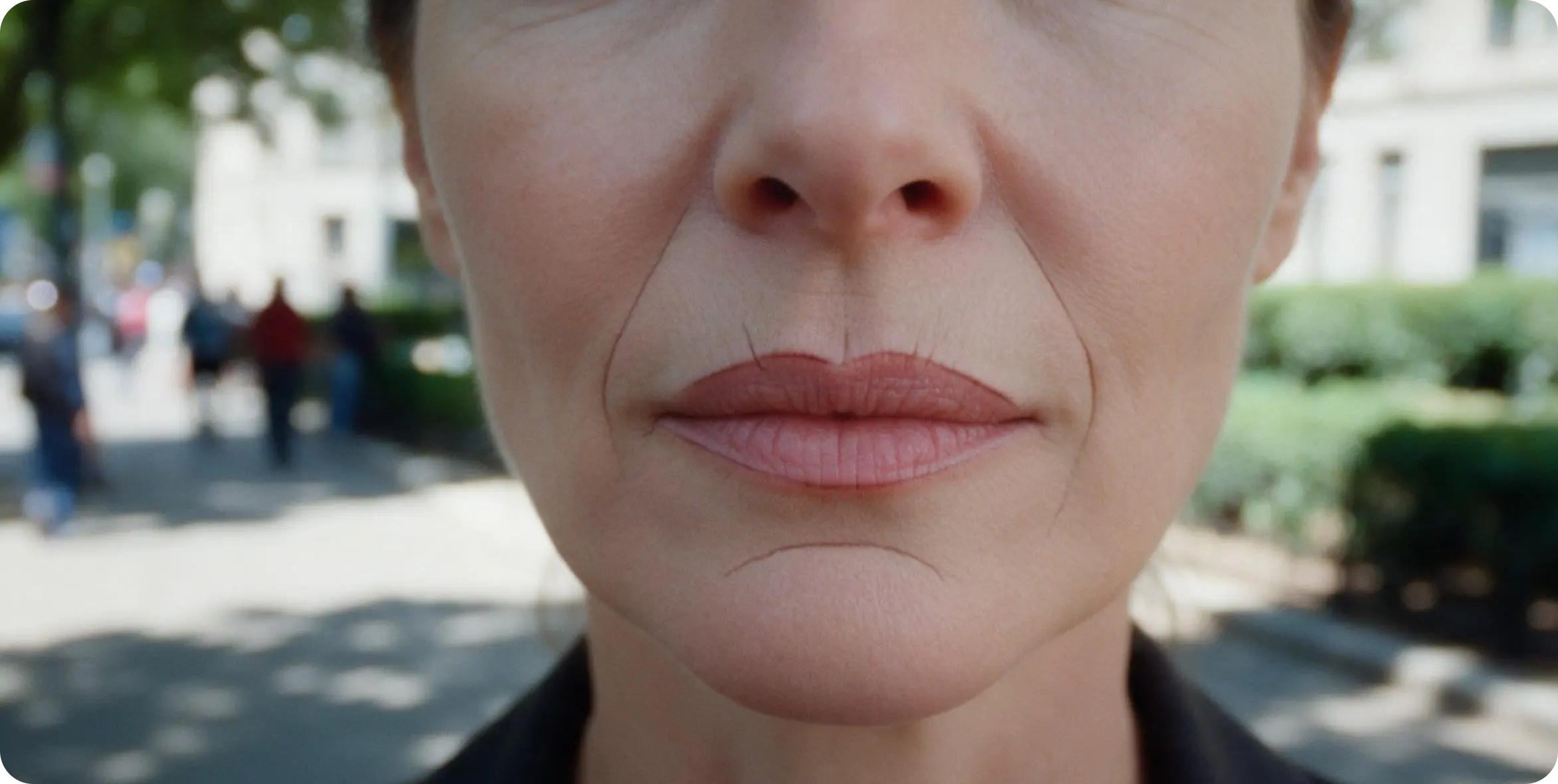
Natural lip enhancement will not give you a new mouth. It can help your existing lips look smoother, healthier, more defined, and less compressed – without fillers, injections, or harsh “plumping” tricks. The visible difference usually comes from simple things: a stronger lip barrier, daily UV protection, less dryness, a relaxed jaw, and skin around […]
Author:MINDBODYFACE
60
FACIAL FAT GRAFTING: ARE THE POTENTIAL RISKS TOO HIGH?
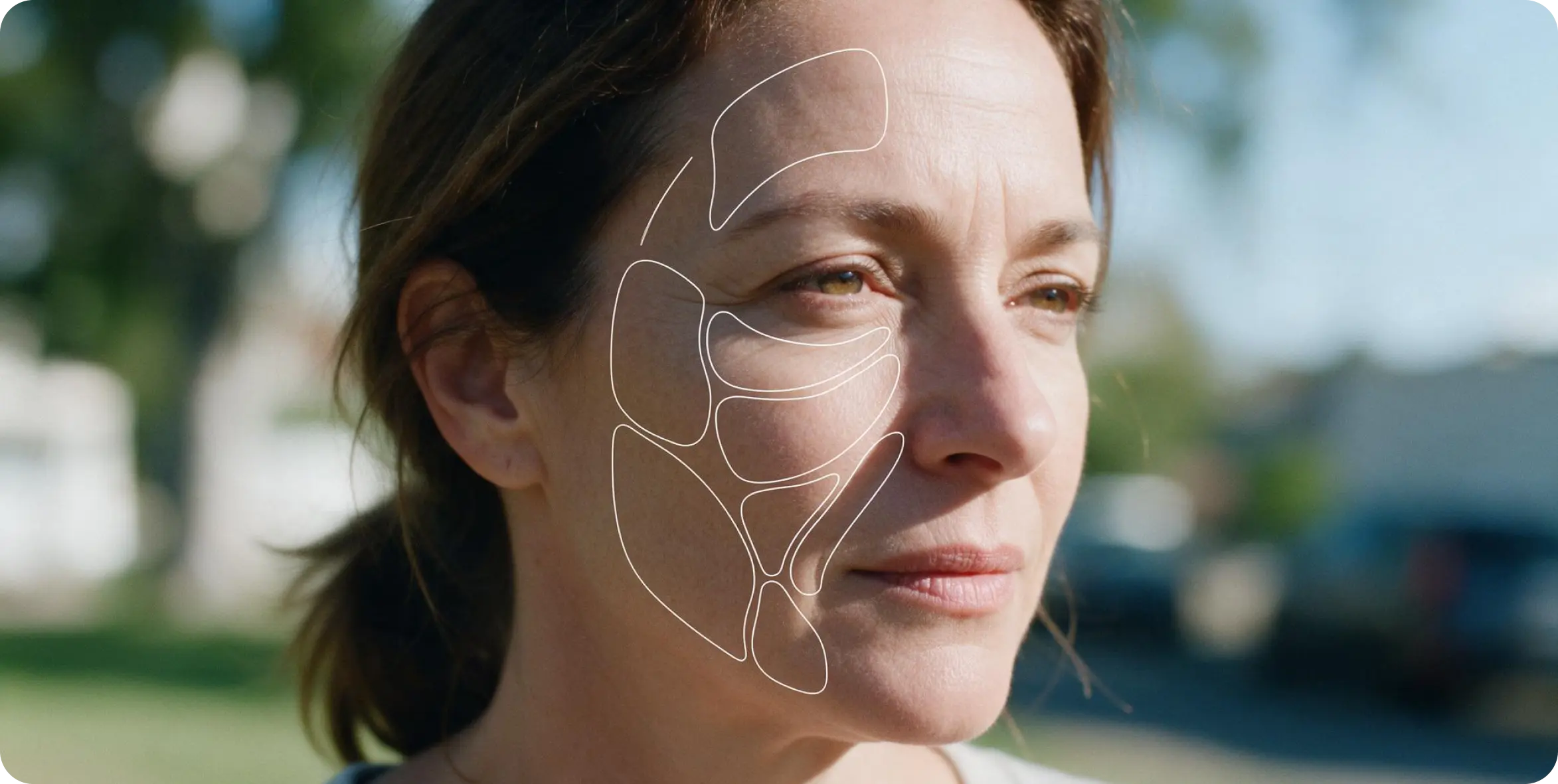
Facial fat grafting risks are not automatically “too high,” but this is a surgical procedure with an unpredictable aesthetic outcome and a small risk of severe complications. For the right patient, treated conservatively by an experienced surgeon, facial fat transfer can restore volume in hollow areas. For someone seeking a perfectly controllable result, a dramatic […]
Author:MINDBODYFACE
80

PLATYSMAL BANDS: WHY VERTICAL NECK BANDS APPEAR AND WHAT YOU CAN DO NATURALLY
Platysmal bands are the vertical cords that may appear across the front or sides of the neck when you speak, grimace, turn your head, lift your chin, or tighten your lower face. These neck bands can become obvious in photographs first: your face still looks familiar, while the neck suddenly appears more strained, heavier, or […]
Author:MINDBODYFACE
160


MINDBODYFACE LLC
1021 E Lincolnway Suite 8342, Cheyenne, WY 82001
+16282892382
All services and information on this website are for educational purposes only and do not constitute medical advice or treatment -