Feb 03, 2026
•8 minutes read
•Author: MINDBODYFACE
The role of the microbiome in facial rejuvenation

People spend a lot of money on skincare treatments and cosmetics, but their skin still looks tired. Dryness, dullness, inflammation, loss of elasticity, and wrinkles appear for no apparent reason. But few people know that the problem may lie in the state of the facial skin microbiome.
The skin is not just protection from external elements. It is an ecosystem where billions of microorganisms live: bacteria, fungi, viruses. When these microorganisms are in balance, they protect the skin from infection and work in conjunction with the immune system to maintain normal moisture and pH levels. When this harmony is disrupted, it triggers processes that directly affect the skin’s microbiome and the aging of the entire body.
If the microbiome is unstable, it leads to chronic inflammation. This causes accelerated destruction of collagen and elastin, making the skin thinner and less able to retain moisture. The lipid barrier also suffers, leading to dryness, sensitivity, irritation, and redness. The role of the skin microbiome in the aging process is quite significant, as it directly affects self-regulation.
Working with the microbiome is an important part of rejuvenation. If microbial balance is not restored, all cosmetic procedures will only have a temporary effect. To truly slow down aging, it is necessary to consider the connection between the skin and the immune system, the nervous system, the condition of internal organs, and the body as a whole.

The science of the microbiome, which slows down aging, is actively developing. Young and healthy skin always has more diverse microbiomes than people over 55. This means that such skin adapts better to stress, sun, climate change, and hormonal surges. The “poorer” the microbiome, the faster the skin begins to age. That is why aggressive cleansers, frequent peels, and uncontrolled use of antiseptics and antibiotics often have the opposite effect — they visually accelerate aging.
In natural rejuvenation practices, the skin microbiome and aging are considered inseparable. By restoring the skin’s ecosystem, faceplastica specialists work not only with external problems, but also with the underlying mechanisms for preserving youthfulness.
How lifestyle affects the skin microbiome
Constant stress disrupts the balance of the skin’s microbiome. However, regular sleep, breathing exercises, giving up bad habits, and taking care of your nervous system help stabilize the microflora. In this state, the skin begins to support itself rather than wasting resources on constant recovery from stress.
When cortisol, the stress hormone, is elevated, inflammatory processes intensify and tissues recover less effectively. If you learn to relax your muscle tissue and work with your emotions, your skin will become less sensitive, redness and dullness will disappear.
You can get rid of stress and restore the health of your microbiome with the help of faceplastica. If you work on restoring muscles, fascia, and internal organs, inflammation in the body will decrease or disappear altogether. As a result, the skin barrier and microbiome will be restored, and the face will remain young and elastic for longer.
Unique rejuvenation techniques will create a favorable environment for the microbiome, as cells will receive more oxygen and nutrients, and waste products will be able to leave the body faster. Regular practice can restore youthfulness without aggressive procedures.
Signs of skin microbiome imbalance
Most people think they have problem skin, but don’t realize that the cause is much deeper. When the balance of the skin’s bacterial flora is disturbed, the body sends out external signals. At first, these signals are weak, but over time they become more and more noticeable.
The main signs that indicate an imbalance in the microbiome are:
- Increased sensitivity — the skin reacts to familiar cosmetics, water, wind, and temperature changes. Burning, tightness, or itching may occur.
- Dull complexion — the skin loses its healthy glow and looks tired, even after a good night’s sleep and high-quality skincare.
- Severe rashes and roughness — inflammation, acne, and blackheads appear for no apparent reason.
- Redness and rosacea — a weakened microbiome cannot maintain a protective barrier, making blood vessels more vulnerable.
- Premature wrinkles, especially fine lines and creases caused by dehydration, even in the absence of pronounced age-related ptosis.
- Slow recovery — post-acne marks or minor damage take longer to heal, and the dermis renews itself less effectively.
All these signs indicate that the skin can no longer regenerate itself. And this is a direct path to premature aging.
Skin care for long-lasting youthfulness

The skin is part of a single organism where everything is interconnected. That is why skin care that is beneficial to the microbiome is the basis for preserving youthfulness.
The microbiome helps maintain the right pH level, controls inflammation, and produces protective substances. If there are fewer beneficial bacteria, the skin begins to conserve resources—cells renew more slowly, collagen production deteriorates, and the skin loses its elasticity. In this case, even the most expensive creams will not help, because the problem lies within—in the imbalance of the skin’s bacterial flora.
What really helps the microbiome:
- Gentle cleansing — protection, not sterilization
One of the main mistakes is striving for sterile cleanliness. Strong cleansers, frequent exfoliation, and antiseptics harm beneficial bacteria on the skin’s surface.
- pH balance — the key to healthy skin
The microbiome thrives in a slightly acidic environment. If the pH is disturbed, it leads to inflammation, harmful bacterial activity, and slow recovery. Therefore, it is important to use high-quality cosmetics, not wash with water that is too hot, and not use large amounts of active ingredients unnecessarily.
- Probiotics and prebiotics
Probiotics help restore balance and reduce inflammation. Prebiotics create an environment in which “good” bacteria grow better. They are especially necessary for sensitive, aging, dehydrated skin and skin after cosmetic procedures.
- The condition of the microbiome directly depends on lifestyle
The skin immediately reacts to chronic stress, lack of sleep, intestinal health, frequent changes in cosmetics, ultraviolet rays, and periods of rest from active procedures.
When the microbiome is healthy, the skin retains moisture better, recovers faster, looks healthy and radiant, and stays young longer. When you build your skincare routine on the basis of the microbiome, your skin begins to repair itself.
Daily practices to maintain a youthful microbiome
A young skin microbiome is formed through daily, gentle, and consistent care. The skin is capable of renewing itself if it is not interfered with and the right conditions are created.
How to determine if the microbiome is healthy:
- Gently wash your face in the morning and evening. Use gentle products without a lot of chemicals and alcohol.
- Monitor your skin’s pH. Toners and essences with pH prevent harmful microbes from multiplying after washing.
- Don’t overdo skincare. The fewer products you use on your face, the better it is for your microbiome.
- Moisturize your skin every day. Choose creams and serums with ceramides, niacinamide, prebiotics, and fermented ingredients.
- Protect your skin from UV rays. Choose sunscreens that don’t sting or leave a film on your skin, and don’t forget to wash them off before bed.
- Once a week, you can gently exfoliate with a scrub or a small dose of acids. This helps the skin renew itself without harming the microflora.
- Use restorative masks. They help the microbiome and restore skin function.
The microbiome as the foundation for long-lasting youthful skin
A healthy skin microbiome retains moisture well, recovers faster, and maintains elasticity. That is why caring for the microbiome must go hand in hand with lifestyle changes—this is the only way to achieve long-lasting skin youthfulness, rather than a short-term cosmetic effect.
To maintain a healthy microbiome, it is necessary to avoid chronic stress, which directly destroys the skin barrier and reduces the diversity of the microbiome. Regular sleep, breathing practices, reducing stimulants, and restoring the nervous system create conditions in which the microflora stabilizes. In this state, the skin begins to “work for itself” rather than wasting resources on constant recovery from overload.
High cortisol levels make inflammation worse and mess with tissue repair. Relaxation techniques, body awareness, and working on your emotional state can help reduce inner tension, which directly affects your skin barrier and microbiome. Your skin becomes less sensitive, and redness and dullness go down.
Faceplastica and microbiome support
Faceplastica and gentle manual techniques enhance microcirculation, improve lymphatic drainage, and nourish tissues. This creates a favorable environment for the microbiome, as cells receive more oxygen and nutrients, and inflammatory products are eliminated more quickly. Regular use of these techniques helps the skin look healthy without aggressive interventions.
The condition of the skin is directly related to posture, breathing, and body mobility. Working with the body, fascia, and internal organs reduces the overall level of inflammation in the body. As a result, the skin barrier and microbiome are restored naturally, and the skin retains its elasticity and even tone for longer.
Long-term rejuvenation is impossible without a holistic approach. A combination of gentle skin microbiome care, lifestyle changes, stress management, faceplastica techniques, and body rejuvenation methods form a solid foundation for long-lasting skin youthfulness. At the same time, the skin does not mask age, but retains its health and vitality at a deep level.
FACIAL REJUVENATION AFTER 45: PROCEDURES THAT MAY NOT BE WORTH IT
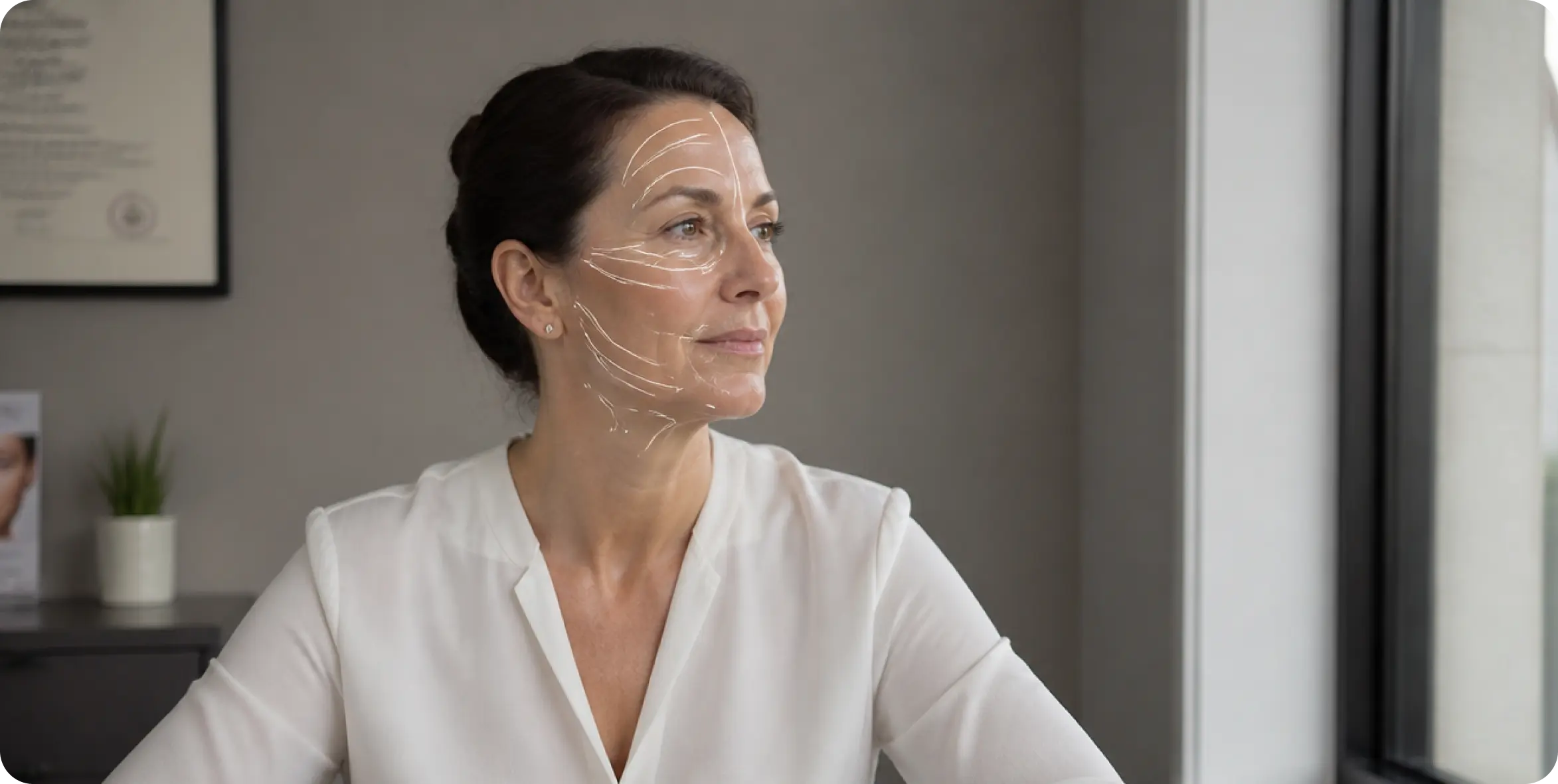
Facial rejuvenation after 45 works best when the treatment matches the actual change you want to address. The useful question is not which option is “best,” but whether a procedure can deliver enough benefit to justify its cost, recovery, maintenance, and possible complications. Many facial rejuvenation procedures after 45 are marketed as universal solutions. Yet […]
Author:MINDBODYFACE
 6
6 0
0
ENHANCING THE NATURAL BEAUTY OF THE LIPS WITHOUT AUGMENTATION
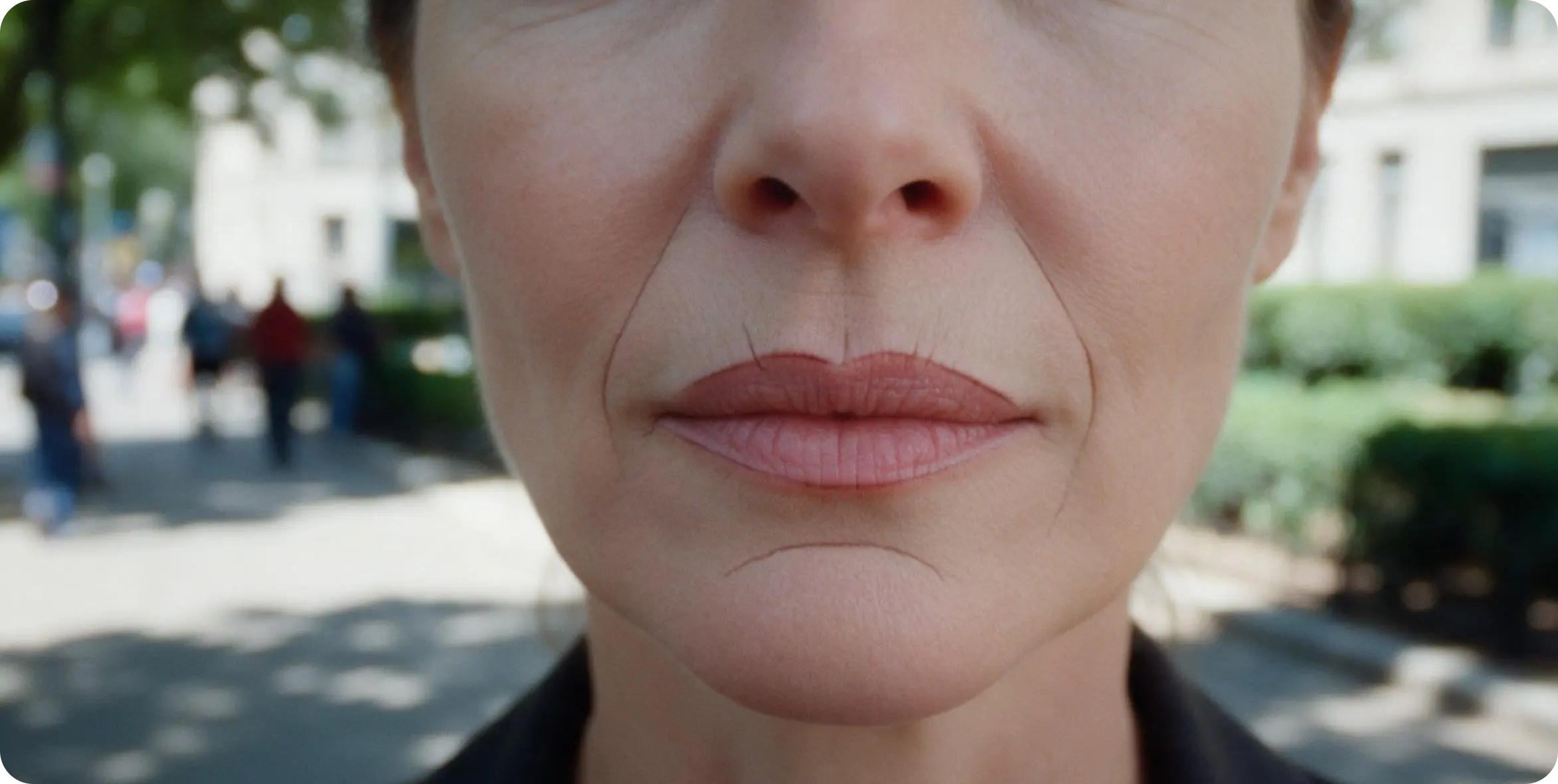
Natural lip enhancement will not give you a new mouth. It can help your existing lips look smoother, healthier, more defined, and less compressed – without fillers, injections, or harsh “plumping” tricks. The visible difference usually comes from simple things: a stronger lip barrier, daily UV protection, less dryness, a relaxed jaw, and skin around […]
Author:MINDBODYFACE
90
FACIAL FAT GRAFTING: ARE THE POTENTIAL RISKS TOO HIGH?
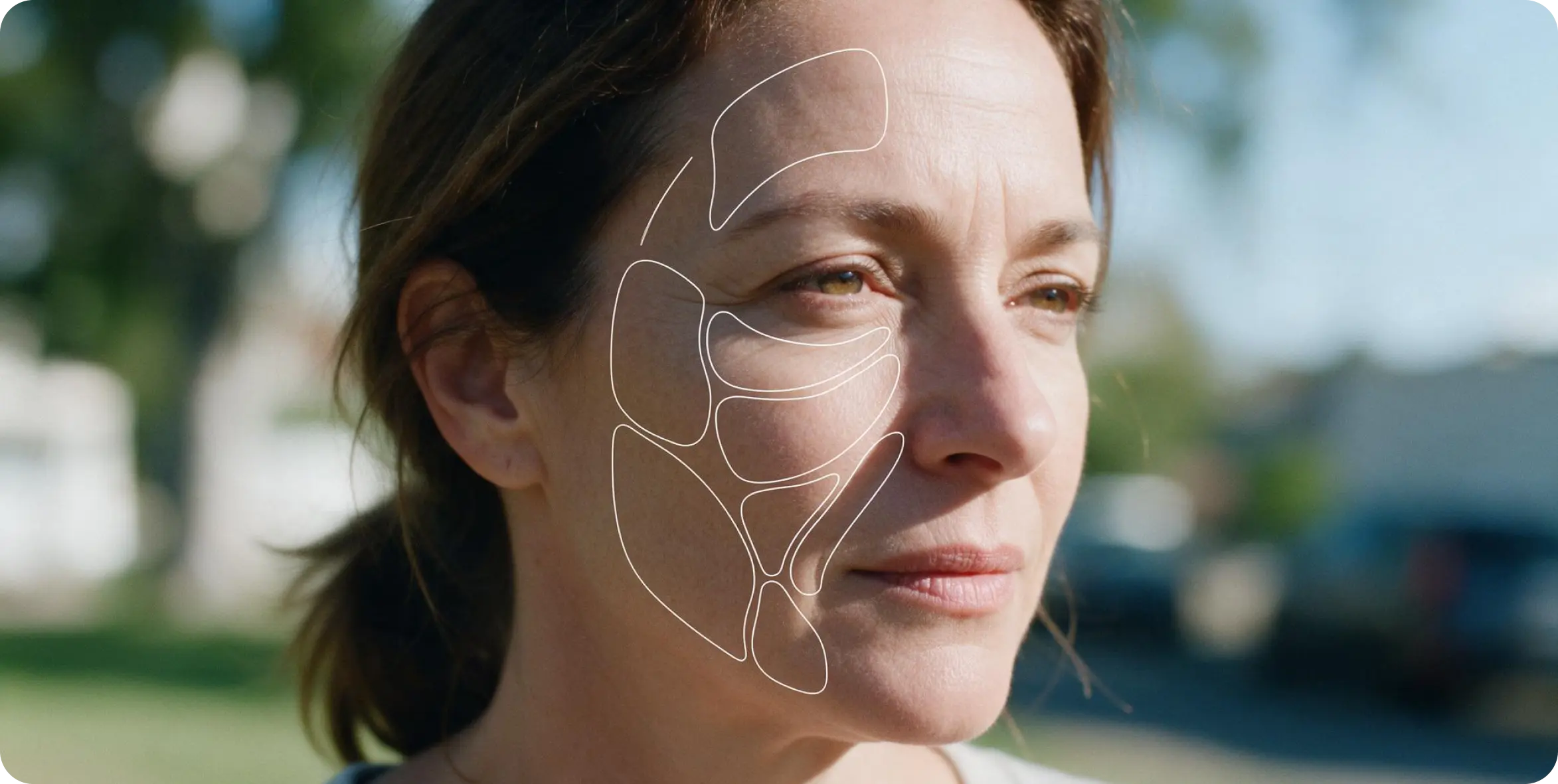
Facial fat grafting risks are not automatically “too high,” but this is a surgical procedure with an unpredictable aesthetic outcome and a small risk of severe complications. For the right patient, treated conservatively by an experienced surgeon, facial fat transfer can restore volume in hollow areas. For someone seeking a perfectly controllable result, a dramatic […]
Author:MINDBODYFACE
120
PLATYSMAL BANDS: WHY VERTICAL NECK BANDS APPEAR AND WHAT YOU CAN DO NATURALLY
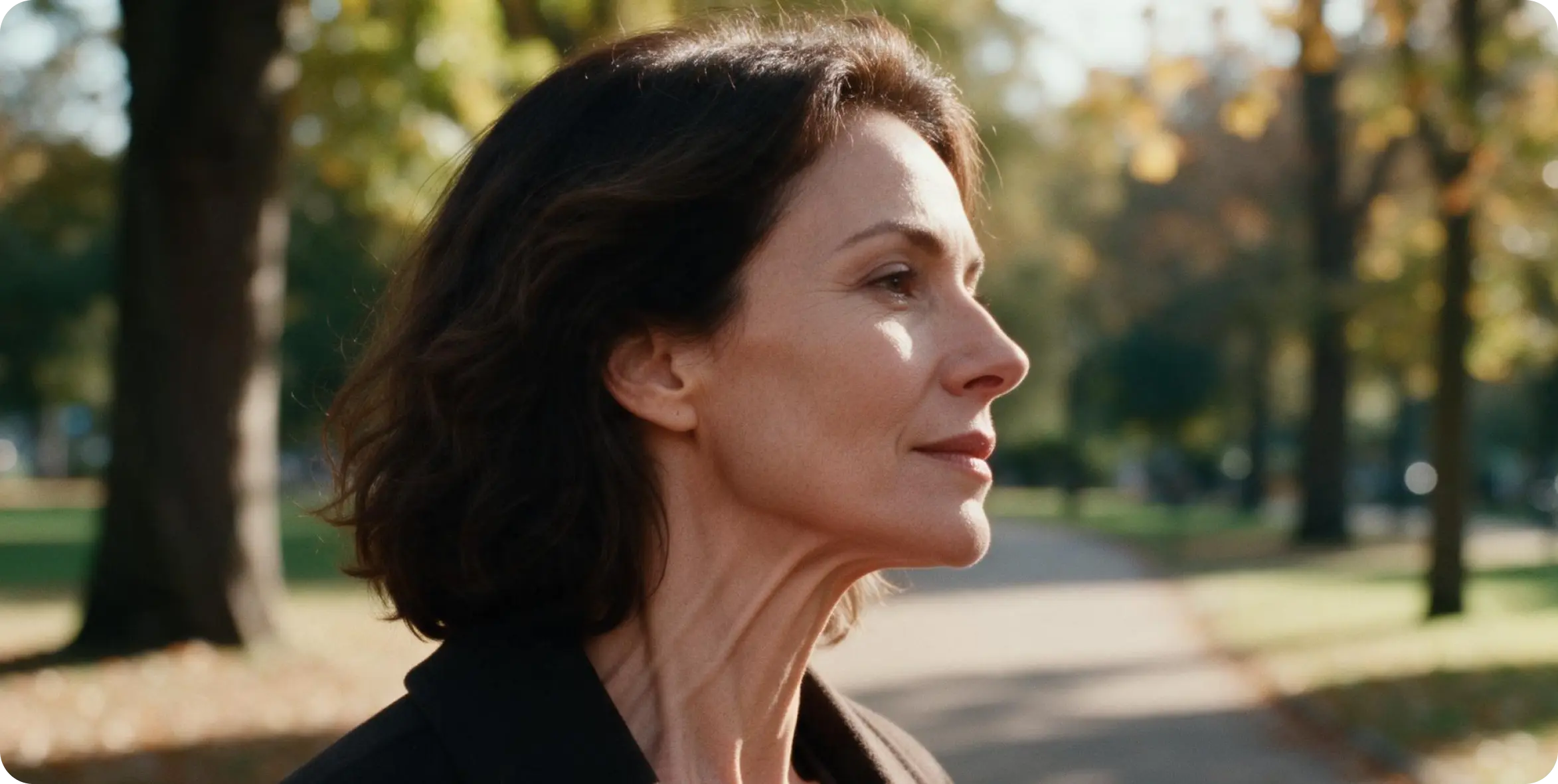
Platysmal bands are the vertical cords that may appear across the front or sides of the neck when you speak, grimace, turn your head, lift your chin, or tighten your lower face. These neck bands can become obvious in photographs first: your face still looks familiar, while the neck suddenly appears more strained, heavier, or […]
Author:MINDBODYFACE
260


MINDBODYFACE LLC
1021 E Lincolnway Suite 8342, Cheyenne, WY 82001
+16282892382
All services and information on this website are for educational purposes only and do not constitute medical advice or treatment -