Mar 27, 2026
•7 minutes read
•Author: MINDBODYFACE
The progression of inflammation and its visible effects on the face

Many people spend years trying to even out their complexion, temporary acne, puffiness, and wrinkles, without realizing that aggressive methods will not solve the problem in the long term. It is important to understand that facial aging and immune response are intertwined, and the solution lies in the state of physiological structures.
Acne often begins from stress, followed by a hormonal imbalance, which is reflected in appearance. Facial skin inflammation and aging occur due to elevated cortisol. This hormone makes the skin more vulnerable by stimulating the sebaceous glands and triggering the irritation process.
Chronic facial inflammation can also be caused by aggressive skincare, improperly selected procedures, or the habit of rubbing the face. In such cases, the immune system is constantly “on alert,” which manifests itself in redness, irritation from creams, flaking, and early wrinkles.
Muscle tension, poor blood circulation, and lymphostasis cause congestive inflammation. In such cases, cells do not receive enough oxygen, and toxins remain in the body. This causes swelling, acne, bags under the eyes, and asymmetry.
Types of facial inflammation
Inflammation is a condition associated with skin contamination, bacterial growth, and, as a result, the appearance of acne. Its visible signs determine the type, diagnosis, and treatment of the problem. Inflammation and face appearance show the state of the hormonal system, metabolism, and immunity.
Non-inflammatory types include:
- Comedones — small flesh-colored or dark spots that appear due to excess sebum. They are a sign of hormonal imbalance and the first signs of acne.
- Miliums — white cysts that often appear on the eyelids and nose after certain cosmetic procedures and creams with chemical compositions.
Visible signs of facial inflammation:
- Papules are red, painful bumps that are often caused by polycystic ovary syndrome.
- Pustules are red bumps filled with pus that can cause subsequent pigmentation.
- Nodules — hardened and deep furuncles that destroy tissue from within. They are systemic inflammations, and the face may become covered with scars.
- Fulminant acneiform rash — painful ulcers with fever, which often appear in adolescents due to increased testosterone levels.
- Inverse acne — deep, recurring inflammation in the armpits, groin, under the breasts, and on the chin in response to friction and sweat.
- Cystic acne is a severe form of acne that can not only lead to scarring but also have psychological consequences.

How inflammation affects aging and facial appearance
If you notice inflammatory processes and facial aging despite quality care, it is worth paying attention to the internal processes in the body:
- Early wrinkles due to collagen destruction, muscle spasms, dehydration. In this case, nasolabial folds, wrinkles between the eyebrows and in the corners of the eyes, as well as neck “Venus rings” appear.
- Swelling and inflammation of the face due to impaired lymph flow, accumulation of fluid and bacteria in the body. The contours of the face become blurred, bags appear under the eyes, drooping eyelids, jowls, a double chin, and nasolabial folds form.
- Facial redness and inflammation lead to chronic vasodilation, which causes spider veins and uneven skin tone, visually adding age.
- Insufficient collagen is caused by the destruction of fibers in the tissues and disruption of the extracellular matrix. Such problems arise in connection with inflammatory changes in the face and cause the appearance of fine wrinkles and creases.
This also works in reverse: muscle spasms disrupt blood circulation and exacerbate inflammation. The appearance of irritation, folds, and wrinkles can be stopped using natural methods of faceplastica. To do this, it is necessary to work with the lymph, restore microcirculation, and eliminate muscle spasms on the face, neck, back, and chest area.
Systemic inflammation and its effect on facial structure
The body is a single ecosystem. Chronic stress, poor nutrition, infections, and lack of sleep lead to inflammatory processes in the skin. Blood vessels become the main “target” where blood carries toxins throughout the body, including the face.
How systemic inflammation changes facial structure:
- Impaired lymph flow
Inflammatory reactions make the blood thicker and the walls of blood vessels more fragile, which leads to a disruption in the delivery of oxygen and nutrients. As a result, the facial complexion becomes sallow, the oval of the face loses its clarity, and swelling and signs of aging appear.
- Inflammation and collagen destruction
Regular inflammation suppresses the production of collagen and elastin. This leads to sagging “fat pads” in the cheek area, deepening of nasolabial folds, a “floating” oval, and loss of skin elasticity.
- Stress and muscle spasms
Increased anxiety leads to fascial-muscular tension, causing a person to frown more often, clench their jaw, and tense the muscles of their eyes, forehead, and lips. These patterns lead to inflammation, and the structure of the face loses its definition. Static wrinkles form, blood flow is disrupted, stress pulls the tissues down and leads to sagging.

Key inflammatory processes in aging skin
The inflammatory process in aging skin is a powerful accelerator at the cellular level that “rewrites the code” of youth. Fatigue without apparent cause and early wrinkles can be the result of “stuck” toxins and blood stagnation.
How inflammation causes aging:
- Low-grade inflammation
With age, the immune system malfunctions, causing dead cells to accumulate and send signals of inflammation. As a result, the skin is under stress and regeneration slows down.
- Moderate reaction
Free radicals are produced at the site of inflammation. When the infection becomes chronic, pigmentation appears, the skin begins to flake, and its self-repair function declines.
- High level of inflammation
When the problem becomes chronic, lipid synthesis is disrupted, making it easier for microbes to penetrate. This manifests in increased sensitivity, dryness, and, as a result, the appearance of wrinkles.
Supporting facial health with anti-inflammatory methods
Comprehensive anti-inflammatory support plan for the face:
- Balanced nutrition
Food is the main source of information for the entire body. To support the skin structure, you need healthy fats (omega-3), antioxidants (berries), magnesium (bitter greens), and high-quality oils to restore the lipid barrier.
Refined carbohydrates, sugar, and industrial oils should be excluded from the diet, and gluten and dairy products should be consumed with caution. Excessive consumption of unhealthy foods leads to inflammation, destruction of collagen fibers, swelling, and the formation of wrinkles.
- Conscious care
It is necessary to cleanse the skin with pH-neutral products to avoid causing an inflammatory reaction. Moisturizing creams should contain hyaluronic acid and vitamins C and E. Be sure to include sunscreen in your skincare routine, as UV rays activate inflammatory reactions. In the evening, apply a cream with peptides or panthenol. Exfoliate your skin with PHA acids 1-2 times a week to improve cell renewal.
- Face and body care
Use the faceplastica method to relieve spasms in the masticatory and cervical muscles to improve blood circulation. Practice lymphatic drainage massage to eliminate swelling and inflammation. Work on diaphragmatic breathing, posture, face, and neck to restore blood vessel walls and reduce stress levels.

It is important to understand that acne, swelling, and wrinkles do not disappear immediately, as changes begin from within. Results will be noticeable after 1-2 weeks. If you follow the recovery plan on an ongoing basis, the effect will last for a long time.
FACIAL REJUVENATION AFTER 45: PROCEDURES THAT MAY NOT BE WORTH IT
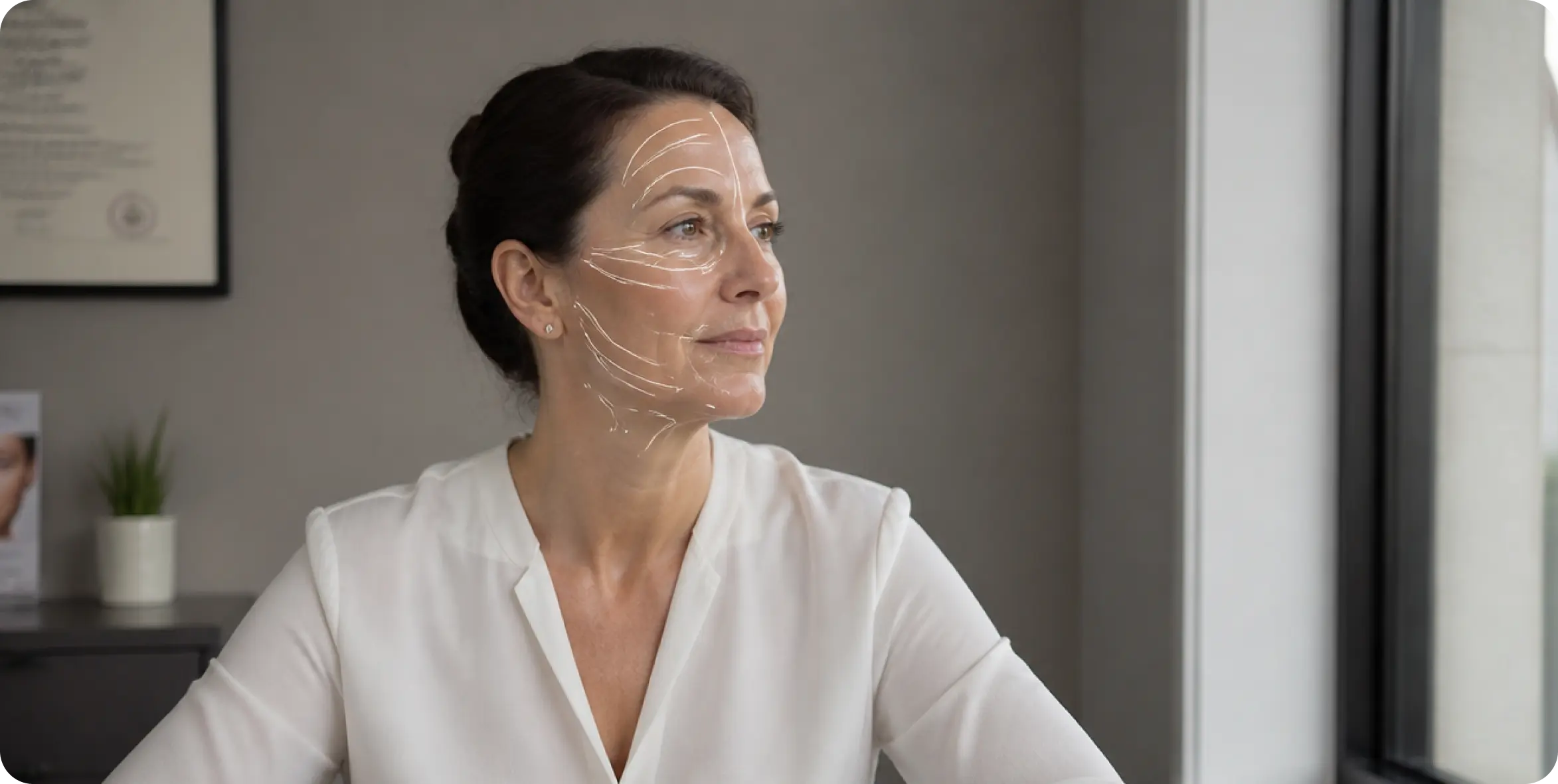
Facial rejuvenation after 45 works best when the treatment matches the actual change you want to address. The useful question is not which option is “best,” but whether a procedure can deliver enough benefit to justify its cost, recovery, maintenance, and possible complications. Many facial rejuvenation procedures after 45 are marketed as universal solutions. Yet […]
Author:MINDBODYFACE
 2
2 0
0
ENHANCING THE NATURAL BEAUTY OF THE LIPS WITHOUT AUGMENTATION
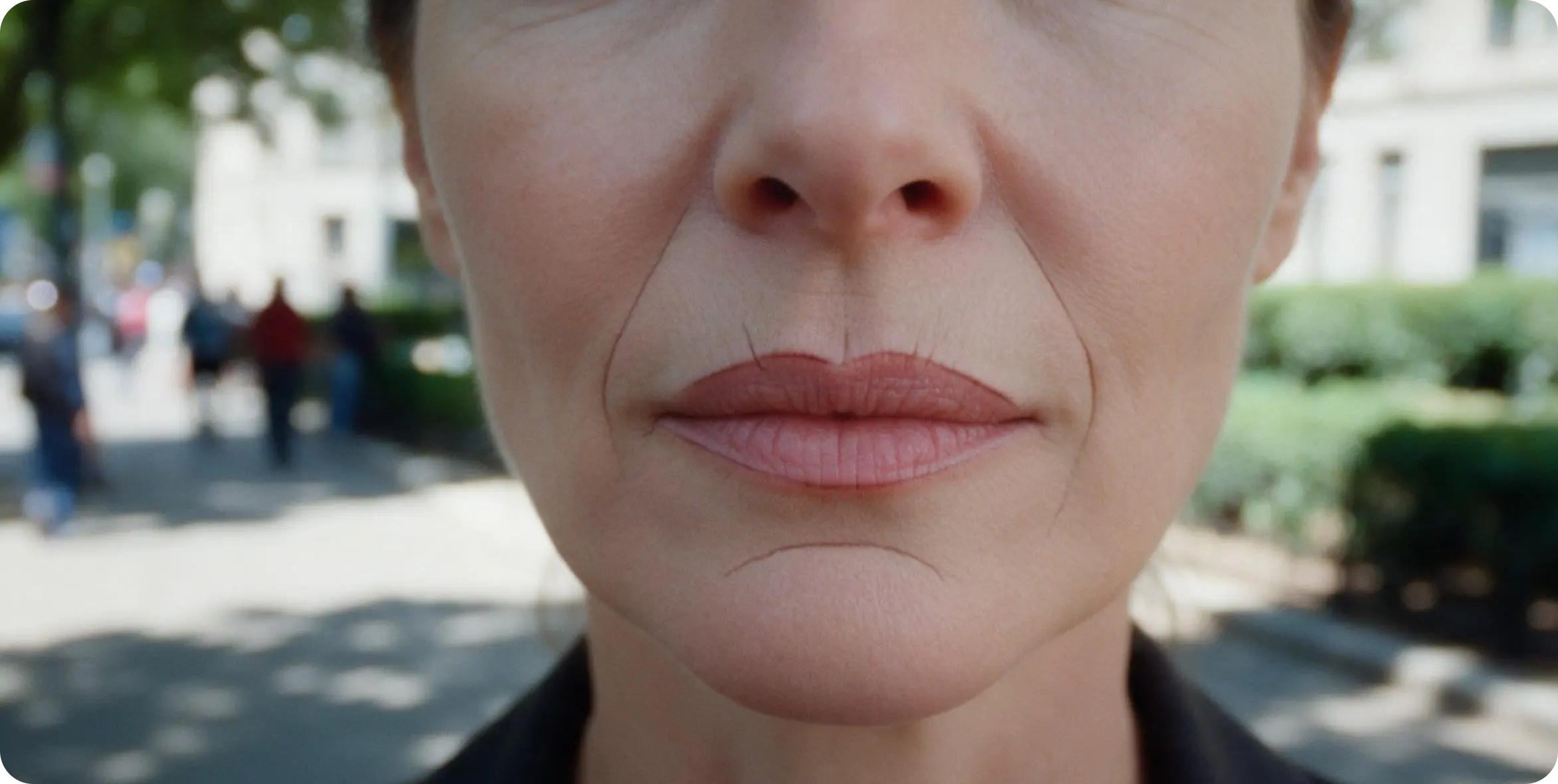
Natural lip enhancement will not give you a new mouth. It can help your existing lips look smoother, healthier, more defined, and less compressed – without fillers, injections, or harsh “plumping” tricks. The visible difference usually comes from simple things: a stronger lip barrier, daily UV protection, less dryness, a relaxed jaw, and skin around […]
Author:MINDBODYFACE
20
FACIAL FAT GRAFTING: ARE THE POTENTIAL RISKS TOO HIGH?
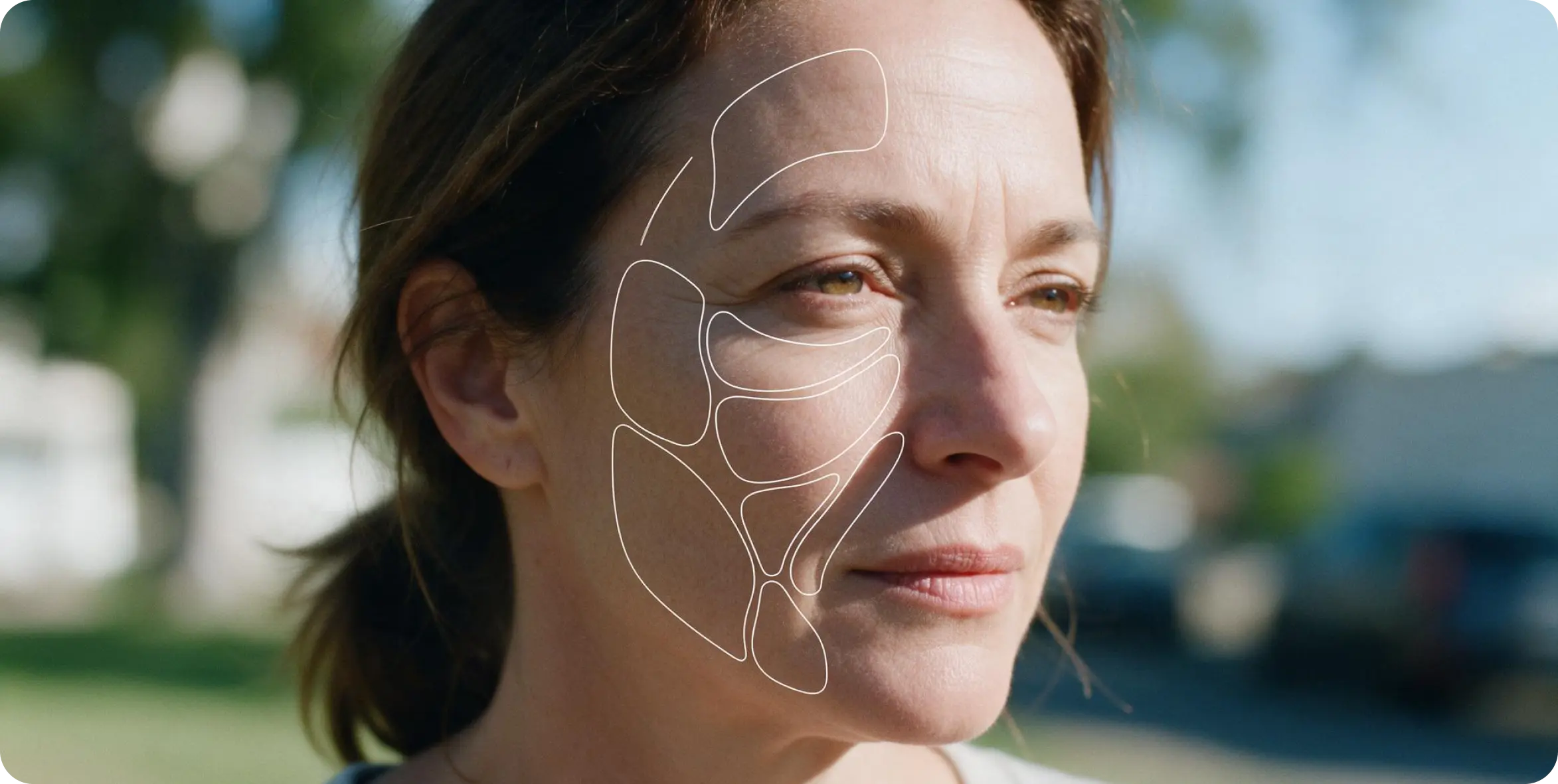
Facial fat grafting risks are not automatically “too high,” but this is a surgical procedure with an unpredictable aesthetic outcome and a small risk of severe complications. For the right patient, treated conservatively by an experienced surgeon, facial fat transfer can restore volume in hollow areas. For someone seeking a perfectly controllable result, a dramatic […]
Author:MINDBODYFACE
60

PLATYSMAL BANDS: WHY VERTICAL NECK BANDS APPEAR AND WHAT YOU CAN DO NATURALLY
Platysmal bands are the vertical cords that may appear across the front or sides of the neck when you speak, grimace, turn your head, lift your chin, or tighten your lower face. These neck bands can become obvious in photographs first: your face still looks familiar, while the neck suddenly appears more strained, heavier, or […]
Author:MINDBODYFACE
60


MINDBODYFACE LLC
1021 E Lincolnway Suite 8342, Cheyenne, WY 82001
+16282892382
All services and information on this website are for educational purposes only and do not constitute medical advice or treatment -