Dec 26, 2025
•9 minutes read
•Author: MINDBODYFACE
Psychosomatics and the face: how stress, emotions and sleep affect facial youthfulness
Psychosomatics is the science of the relationship between emotional state and physical health. In the context of the face, this manifests itself in how chronic stress, suppressed emotions, and lack of quality sleep directly affect the shape of the face, causing asymmetry, swelling, and premature aging of the skin.
Facial muscle tension from stress and aging are closely related: a constant “corset” of tight muscles restricts blood circulation, which reduces the amount of collagen and elastin. The face becomes tired, even if you get enough sleep. Osteopathic techniques help to relax these muscles, restoring symmetry and elasticity to the skin.
An example of how emotions, posture, and facial asymmetry influence each other: chronic clenching of the jaws due to stress leads to displacement of the temporomandibular joint, which causes facial asymmetry. Osteopathy works with the fascia to restore harmony. Asymmetry is exacerbated in people with high emotional stress. To avoid distortion, faceplasty and osteopathy techniques are used to correct posture, rejuvenate the face, and eliminate stress.
Problems with sleep quality, facial swelling, and dark circles under the eyes can be overcome withnatural correction, eliminating lymphatic and blood flow congestion to restore healthy tone and tighten the face with effective methods.
The connection between mind and appearance
Emotional patterns — suppression of anger or anxiety, which are fixed in the muscles and fascia in the form of tightness — change posture and facial expressions. Chronic muscle spasms form wrinkles and lead to asymmetry.
For example, slouching from constant stress shifts the position of the shoulders, neck, and skull, which is reflected in the face: the corners of the mouth or eyebrows droop, and wrinkles form on the forehead. When we “hold” emotions in the body — psychosomatics, teeth grinding, wrinkles on the face intensify. That is why it is necessary to work deeply on all areas of the body and work with emotions.
Chronic tension restricts blood circulation, causing dullness, dry skin, and even pigmentation. Posture and emotions also intersect in that tilting the head forward while working at a computer or due to a slumped posture causes the face to sag, increasing muscle gravity and the appearance of wrinkles.
Osteopathy and relieving emotional tension in the face

The osteopathic method involves gentle manipulation of the fascia and bones of the skull to relieve emotional and muscular tension. For example, craniosacral therapy balances posture by eliminating asymmetry caused by emotional patterns. Combined with breathing exercises, this helps release stagnant emotions, which is reflected in the smoothing of wrinkles and the restoration of symmetry.
The faceplasty method, which eliminates emotional signs on the face, is part of a comprehensive system for restoring the proportions of the face and body. Deep work on all areas helps not only to bring the muscles into a healthy tone, but also to restore a good mood.
How stress affects facial youthfulness
Stress releases hormones such as adrenaline and cortisol. This directly affects the facial muscles, causing them to tense involuntarily. The main manifestations include:
- Jaw clenching and teeth grinding
This is a psychosomatic phenomenon when anxiety or anger gets stuck in the body, causing involuntary grinding. The result is muscle fatigue, neck pain, and the first signs of wrinkles.
- Forehead tension and wrinkles between the eyebrows
The forehead muscles contract, forming vertical creases between the eyebrows. This is a response to chronic stress, when the facial muscles remain tense even when the emotional state stabilizes.
- Wrinkle intensification and premature aging
High cortisol levels destroy collagen and elastin, the proteins responsible for skin elasticity. This leads to the appearance of deep wrinkles, especially in areas where the muscles are often tense—the forehead, eyes, and mouth. This is not only visible on the outside, but also signals an internal imbalance.
- How chronic stress changes the shape of the face
Prolonged tension leads to facial asymmetry caused by emotional stress. For example, one side of the face may droop due to uneven muscle tone. Posture and facial contours also suffer: a clenched jaw makes the chin more square or asymmetrical, and sagging tissue accelerates the formation of “jowls” and wrinkles around the lips.
- Microexpressions and facial aging
Repeated micro-expressions associated with chronic stress—raised eyebrows, clenched lips—become permanent features over time. These small movements cause expression lines even in young people.
- Interrelated problems
Facial puffiness under the eyes, associated with stress and lymph, exacerbates a “tired” appearance. And poor sleep during depression disrupts skin regeneration, accelerating aging.
A special osteopathic massage relieves tension in the fascia, improving blood circulation and elasticity. This not only relaxes the muscles, but also promotes emotional release, reducing stress. Regular facial massage promotes healthier skin by reducing puffiness and wrinkles.
Emotional triggers of facial asymmetry and jaw clenching
Emotions are deeply connected to the body through the nervous system, and the face is the first reflection of this. Chronic emotions create patterns of tension that become structural over time.
Causes of distortion and tension in the face and body due to psychosomatics:
- Anxiety as a cause of teeth grinding and jaw tension
This condition is called psychosomatic bruxism, where anxiety causes involuntary teeth grinding at night or during the day. The result is chronic jaw tension, neck pain, chin asymmetry, and even a “square” face shape. In the long term, there is a loss of jaw mobility and rapid aging.
- Anger and facial asymmetry caused by emotional stress
Anger activates the muscles around the eyes and forehead, forming vertical wrinkles between the eyebrows and increasing the tone on one side of the face. This creates asymmetry: one eyebrow may be higher than the other, and one side of the mouth may be more tense. This imbalance occurs due to the uneven distribution of nerve impulses under the influence of emotions. Over time, this worsens and the tissues begin to sag, making the face look “tired” or “angry.”
These triggers not only visually change the face, but also affect overall health: tension spreads to the neck and shoulders, causing headaches and posture problems.
The impact of sleep quality on the appearance of dark circles and puffiness

Sleep is the foundation for a healthy and youthful face. Lack of sleep or interrupted sleep disrupts the water balance and lymph circulation, leading to fluid retention. Here’s why this happens:
- Facial puffiness from lack of sleep
During deep sleep, the body activates detoxification, but if sleep is shallow, the lymphatic system cannot cope. This causes morning puffiness under the eyes, cheeks, and along the jawline. Chronic sleep deprivation increases inflammation, making the skin dull and saggy.
- Dark circles as a warning sign
Lack of sleep reduces tissue oxygenation, leading to hypoxia under the eyes — hence bruising and puffiness. Even one day of poor sleep increases the visibility of veins under thin skin, and chronic fatigue exacerbates pigmentation.
- Poor posture and sagging neck
Your sleeping position can deform your neck and face. Many people often sleep on their stomach or side without a proper pillow, which leads to chronic tension.
Improper posture also increases the effects of gravity, accelerating the sagging of tissue from the ears to the collarbone.
- Open mouth during sleep and jawline shape
An open mouth, especially when snoring or having a stuffy nose, can radically change the shape of the jaw. Breathing through the mouth instead of the nose leads to stretching of the muscles and ligaments of the face. This deforms the jawline, making it less defined and sagging at the sides. This weakens tone, affects bite, and accelerates aging.
Natural corrections and helpful habits for ideal nighttime recovery:
- Sleep hygiene
Go to bed and wake up at the same time to stabilize your circadian rhythms — this will directly improve sleep quality and reduce puffiness.
- Posture support and relaxation
Healthy posture, mind, and face are the perfect “team” for youthfulness.
Invest in a medium-firm mattress and a contoured pillow to prevent poor sleeping posture and neck sagging.
- Jaw relaxation
Before bed, do a light massage: use your fingertips to make circular movements along the jawline for 5 minutes to prevent sleeping with your mouth open and maintain the shape of your chin.
Facial expression patterns
Micro-expressions are almost imperceptible movements of the facial muscles that last less than a second. They reflect subconscious emotions: anger, fear, sadness, or joy. But when repeated over the years, these patterns become “muscle memory,” reinforcing creases and wrinkles.
Chronic stress or negative emotions cause constant tension. For example, micro-expressions of fear close the eyebrows and narrow the eyes, while expressions of anger tighten the lips. As a result, the face droops, losing its symmetry. Emotions, like a lever, shape features — from wrinkles around the eyes to broken lines from frowning.
The facial muscles become accustomed to habitual facial expressions and create deep wrinkles. The eyes develop crow’s feet from constant squinting, the lips express sadness from the downturned corners of the mouth, and the forehead develops horizontal wrinkles from surprise or anxiety. Without correction, this leads to facial asymmetry: one side becomes more tense, disrupting harmony.
With regular practice and techniques of faceplasty, osteopathy, and face yoga, aging slows down: features become softer, posture becomes straighter, and symmetry returns to the face.
Restoring harmony: face yoga and faceplasty techniques
Face yoga is a series of exercises that combine stretching and muscle tone with breathing rhythm. These exercises are an excellent complement to deep work on muscles, fascia, bones, and lymph. You can learn effective osteopathy, faceplasty, and face yoga techniques for mental health and facial shape at courses at the Alesya Ulishchenko Academy.
The training includes:
- Craniosacral therapy
This method involves applying light pressure to the skull to harmonize the rhythm of the cerebrospinal fluid. It relieves tension in the temporal and jaw areas, helping to relax these zones. In the context of facial asymmetry caused by emotional stress, the therapy helps to improve blood circulation and reduce emotional blocks.
- Myofascial release of the face
Working with the fascia to release the orbital areas around the eyes and forehead. This is particularly effective against anger-induced wrinkles, restoring even muscle tone and preventing asymmetry. The technique helps to reprogram patterns by connecting the body with emotions. It helps to improve posture, sleep, and define the jawline.
- Osteopathy and tension relief
The goal is gentle stretching and mobilization of muscles, bones, and fascia. The method helps with psychosomatic disorders where emotions are “stuck” in the tissues.
- Facial massage for emotional release and skin health
During the course, you will learn how different types of massage work in practice. They help to boost collagen production, improving skin elasticity and health. Lymphatic drainage cleanses the skin of toxins caused by stress and prevents acne and dullness. The skin becomes moisturized, pores shrink, and muscles begin to even out, which is especially important for facial balance after the age of 30.
Plus, you will master the following techniques:
• Holistic diagnosis and correction of age-related changes and physical tension in the face and body
• Techniques for correcting all facial and skull structures: bones, fascia, muscles, vessels, nerves, skin
• Techniques for emotional release from facial tissues
• Techniques for correcting asymmetries of the skull, face, and body
• The basics of working with the pelvis, spine, and internal organs
• All other rejuvenation techniques: popular types of facial massage, taping, principles of cosmetic care
A combination of techniques and methods will help to remove stress patterns, balancing facial tone at all levels and healing the entire structure of the body.
FACIAL REJUVENATION AFTER 45: PROCEDURES THAT MAY NOT BE WORTH IT
Facial rejuvenation after 45 works best when the treatment matches the actual change you want to address. The useful question is not which option is “best,” but whether a procedure can deliver enough benefit to justify its cost, recovery, maintenance, and possible complications. Many facial rejuvenation procedures after 45 are marketed as universal solutions. Yet […]
Author:MINDBODYFACE
 11
11 0
0
ENHANCING THE NATURAL BEAUTY OF THE LIPS WITHOUT AUGMENTATION
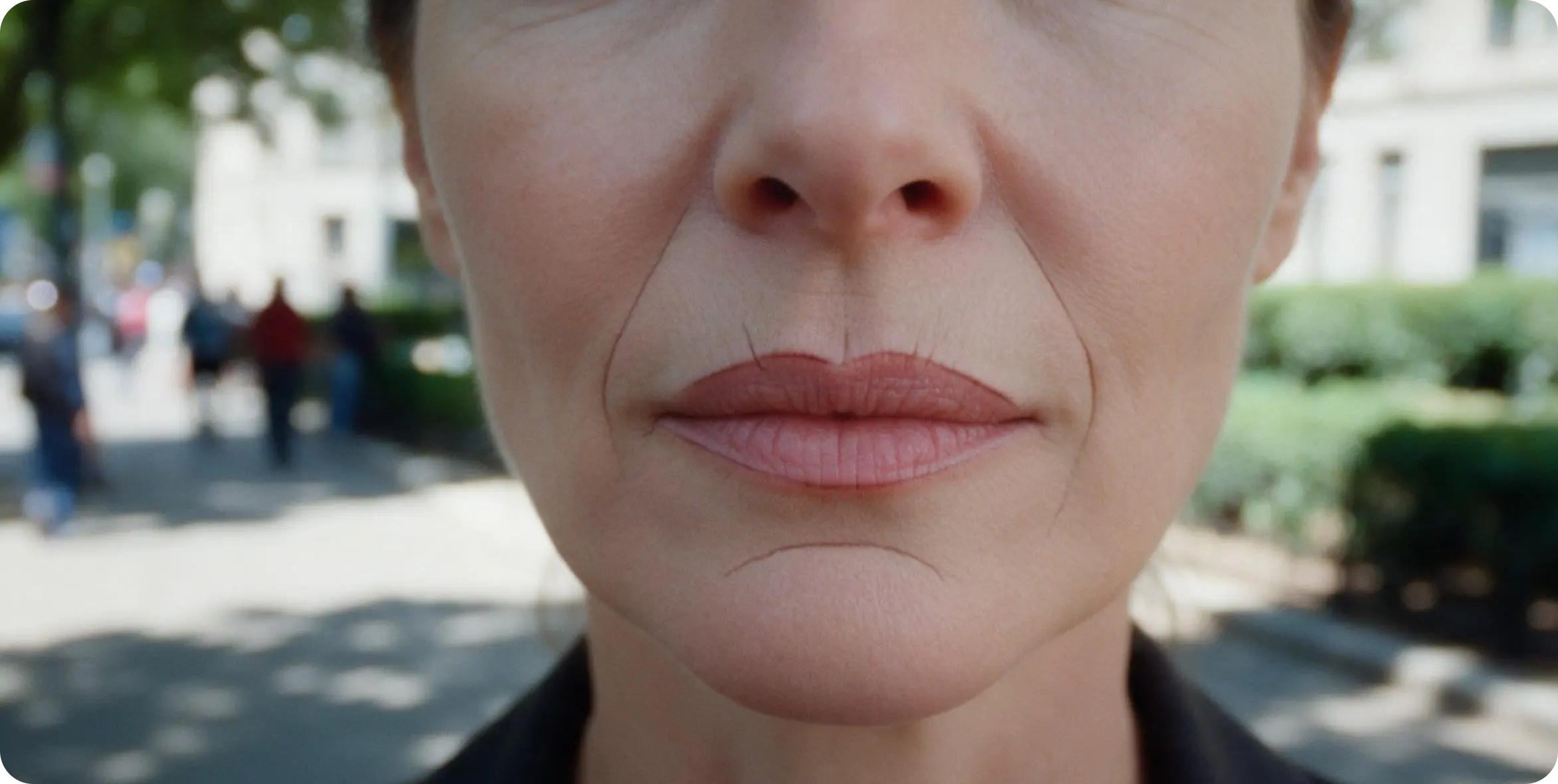
Natural lip enhancement will not give you a new mouth. It can help your existing lips look smoother, healthier, more defined, and less compressed – without fillers, injections, or harsh “plumping” tricks. The visible difference usually comes from simple things: a stronger lip barrier, daily UV protection, less dryness, a relaxed jaw, and skin around […]
Author:MINDBODYFACE
110
FACIAL FAT GRAFTING: ARE THE POTENTIAL RISKS TOO HIGH?
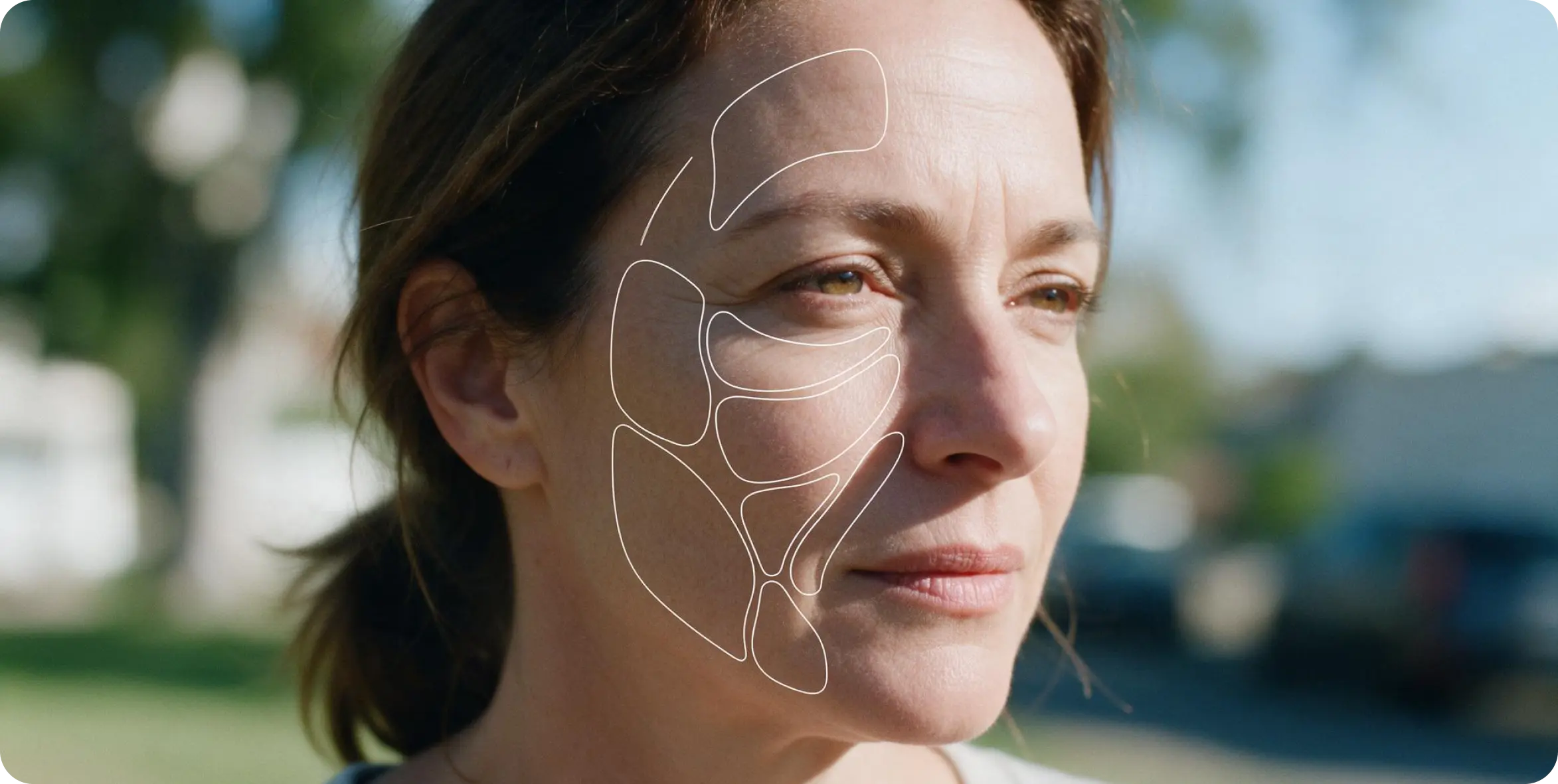
Facial fat grafting risks are not automatically “too high,” but this is a surgical procedure with an unpredictable aesthetic outcome and a small risk of severe complications. For the right patient, treated conservatively by an experienced surgeon, facial fat transfer can restore volume in hollow areas. For someone seeking a perfectly controllable result, a dramatic […]
Author:MINDBODYFACE
130
PLATYSMAL BANDS: WHY VERTICAL NECK BANDS APPEAR AND WHAT YOU CAN DO NATURALLY
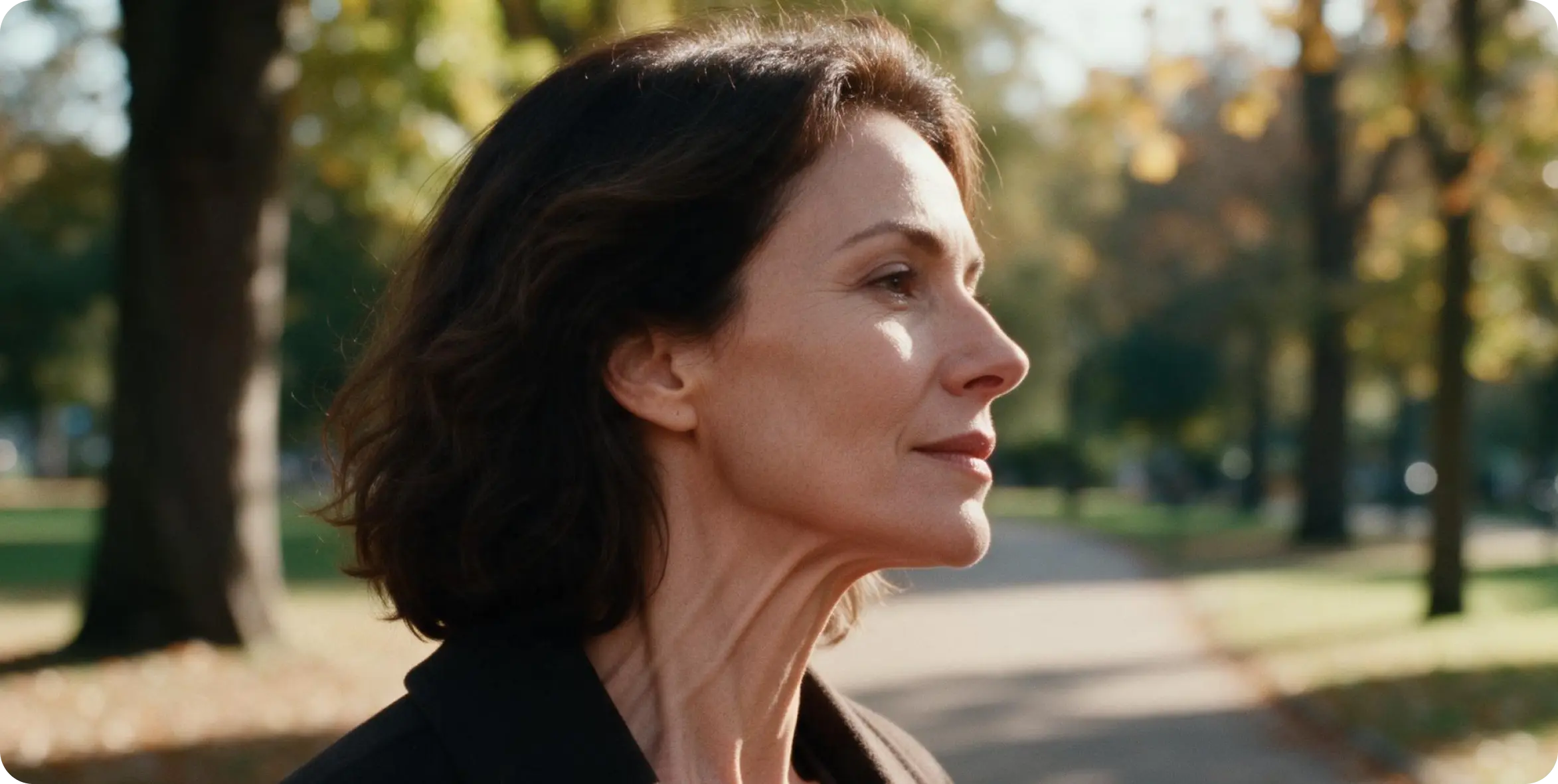
Platysmal bands are the vertical cords that may appear across the front or sides of the neck when you speak, grimace, turn your head, lift your chin, or tighten your lower face. These neck bands can become obvious in photographs first: your face still looks familiar, while the neck suddenly appears more strained, heavier, or […]
Author:MINDBODYFACE
300


MINDBODYFACE LLC
1021 E Lincolnway Suite 8342, Cheyenne, WY 82001
+16282892382
All services and information on this website are for educational purposes only and do not constitute medical advice or treatment -