Feb 04, 2026
•7 minutes read
•Author: MINDBODYFACE
Jaw functions and facial balance

The jaw is not only designed for chewing food. It is the center of support for the facial structure. The symmetry of the face, the tone of the chewing muscles, and the youthfulness of the skin depend on its correct position. When jaw function and facial balance are impaired, massage will only have a temporary effect without a comprehensive approach.
Facial asymmetry almost always begins with problems in the jaw area. Visually, this is noticeable due to asymmetry of the cheeks, nasolabial folds, and different eye levels. In addition, chronic jaw tension overloads the nervous system, causes anxiety, and provokes bruxism and headaches. After the jaw is aligned and facial symmetry is restored, fine wrinkles around the lips disappear, the oval of the face becomes more defined, and the gaze becomes calm and confident.
At MindBodyFace, experienced natural rejuvenation specialists use a systematic approach: working with the facial bones and tissues → neck → posture → nervous system → muscles and fascia → skin quality. Therefore, if you want to regain your youth, restore symmetry, relieve chronic muscle tension, and improve your skin condition, you need to start not with massage, but with the health of your jaw and the appearance of your face.
Why jaw function is particularly important

The lower jaw is a movable bone connected to the temporomandibular joint, and facial balance is directly related to it. If one joint works better than the other, asymmetry appears in the face.
Chronic muscle tension, bruxism, stress, and irregular breathing lead to heaviness in the lower part of the face, deepening of nasolabial folds, asymmetry of the eyes, eyebrows, and cheeks, as well as improper closure of the mouth. Jaw tension and facial muscle imbalance lead to tissue weakening and skin sagging. In such cases, massage, cosmetic, and surgical procedures only produce short-term results.
Facial balance beyond massage and other superficial procedures lies in the unique techniques of facial gymnastics, which help to:
- Normalize the functioning of the temporomandibular joint
- Relieve spasms in the masticatory muscles
- Restore elasticity of the facial and neck fascia
- Restore facial and body symmetry
- Improve blood and lymph flow
- Align posture, return internal organs to a normal state
It is this comprehensive jaw care that provides a lasting effect — not only visual, but also functional: the face becomes younger, more symmetrical, and more hydrated.
The role of the TMJ in facial balance

The temporomandibular joint (TMJ) is a bridge between the skull and the lower jaw, which is connected to the masticatory and facial muscles, fascia, cervical spine, and nerve ligaments. It is through the movement of the jaw and facial muscles that the nervous system regulates the condition of the skin. When the joints are functioning properly, the face remains symmetrical and youthful.
Any disruption in the TMJ changes the distribution of load, facial balance, and jaw mechanics. The body strives to maintain stability and compensates by spasming some muscles and strongly relaxing others. Visually, this is manifested in facial expressions and asymmetry.
In addition, the TMJ is involved in speech, proper chewing and swallowing of food, facial expressions, and breathing. If the joint functions correctly, the jaw and facial muscles easily adapt to emotional expressions, and the tissues remain in good tone. With dysfunction, coordination is disrupted — movements become “jerky,” and tension accumulates imperceptibly, becoming chronic.
Models of TMJ dysfunction:
- The compressive model is characterized by a chronically clenched jaw, pronounced bruxism, and frequent stress. This condition manifests itself in the form of headaches, pressure in the temples, and heaviness in the jaw.
- Asymmetrical joint function — one side of the jaw works more than the other, which is visually noticeable due to skewing, different heights of the cheekbones, eyes, and eyebrows, and the appearance of “jowls.”
- Neuromuscular imbalance — when the nervous and muscular connections are disrupted, involuntary clenching, tics, and uneven skin tone occur.
The dependence of jaw function on neurophysiological processes

The neuromuscular function of the jaw is the ability of tissues to respond accurately to impulses from the nervous system without excessive tension. External problems, such as expression lines, are often the result of impaired jaw movement.
Understanding the characteristics of the jaw and facial health is a rather complex process until a person learns to notice moments of muscle tension and control emotional release. During control, the nervous system receives a signal of safety, and at this moment, the muscle tissues gradually relax.
It is possible to feel the condition of your muscles and learn to control them. This will help to quickly eliminate facial tissue tension and prevent premature wrinkles. However, it is important to note that conscious control will only be effective if you regularly use natural rejuvenation techniques to eliminate spasms in the face, neck, and spine.
Faceplastica versus classic facial massage
Traditional massage works on the surface tissues: large muscles, skin, and subcutaneous fatty tissue. It helps improve blood flow, temporarily reduce swelling, and provide a feeling of relaxation.
Faceplastica works deeper — on the root causes of muscle tension, fascia, jaw displacement, and the appearance of wrinkles. That is why its effects are more noticeable and long-lasting.
Techniques for balancing the face using the natural rejuvenation method include:
- functional work with the jaw;
- restoration of external patterns of the face and body;
- posture correction;
- conscious control of facial muscles;
- relieving tension in the nervous and muscular systems.
Conclusion: Classic massage can improve tissue condition, but long-term results can be achieved by working with bones and tissues at a deep level.
Practical methods for restoring facial balance
Jaw dysfunction and facial tension begin with problems in the TMJ area. Clenching and asymmetry can be eliminated with the following practices:
- Keep your lips closed, but unclench your teeth. Try to relax your tongue and focus your attention on your jaw area. Observe this area of your face for two minutes until you feel completely relaxed. This exercise will help relieve hypertonicity of the masticatory muscles and eliminate a double chin.
- Correct tongue position for facial symmetry: note that the tongue gently rests against the palate, and at the same time, observe calm breathing for 3-5 minutes. This normalizes the position of the hyoid bone and reduces sagging tissue in the chin area.
- Breathing + head position: pull the top of your head up and relax your shoulders, then exhale slowly through your nose. Make your exhalation longer than your inhalation for 5 cycles, with repetitions. This helps to relieve pressure on the jaw and neck, eliminating tension in these areas.
To restore facial symmetry, eliminate a double chin, and smooth out wrinkles for the long term, you need to approach the problem comprehensively:
- Straighten your posture and neck
- Work on your internal organs and skull bones
- Increase the endurance and flexibility of the body
- Remove tension from muscles and fascia
- Eliminate psycho-emotional factors
You can learn these systematic and functional techniques for balancing the face without massage, suitable for daily practice, from experienced specialists at MindBodyFace.
FACIAL REJUVENATION AFTER 45: PROCEDURES THAT MAY NOT BE WORTH IT
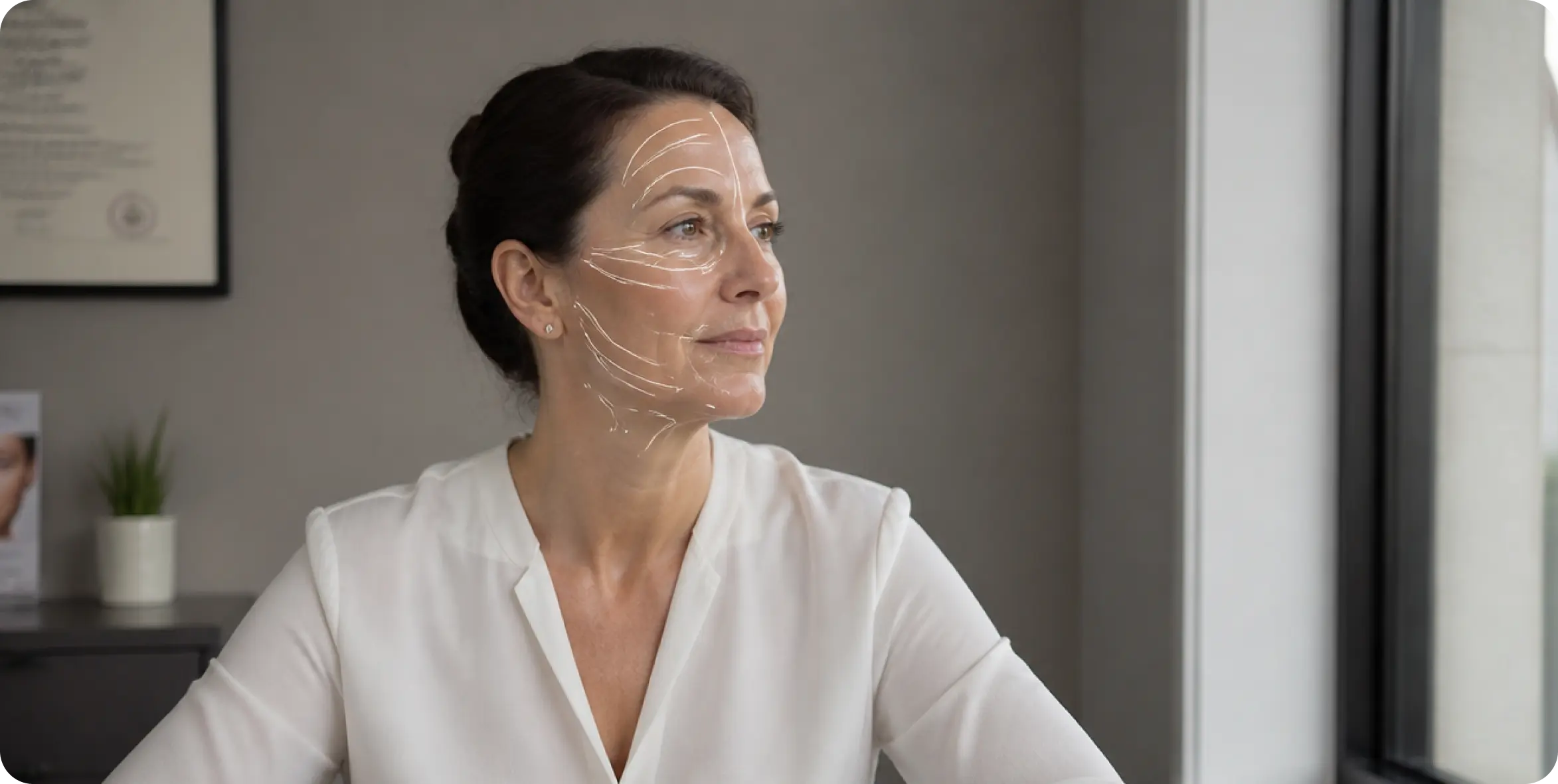
Facial rejuvenation after 45 works best when the treatment matches the actual change you want to address. The useful question is not which option is “best,” but whether a procedure can deliver enough benefit to justify its cost, recovery, maintenance, and possible complications. Many facial rejuvenation procedures after 45 are marketed as universal solutions. Yet […]
Author:MINDBODYFACE
 3
3 0
0
ENHANCING THE NATURAL BEAUTY OF THE LIPS WITHOUT AUGMENTATION
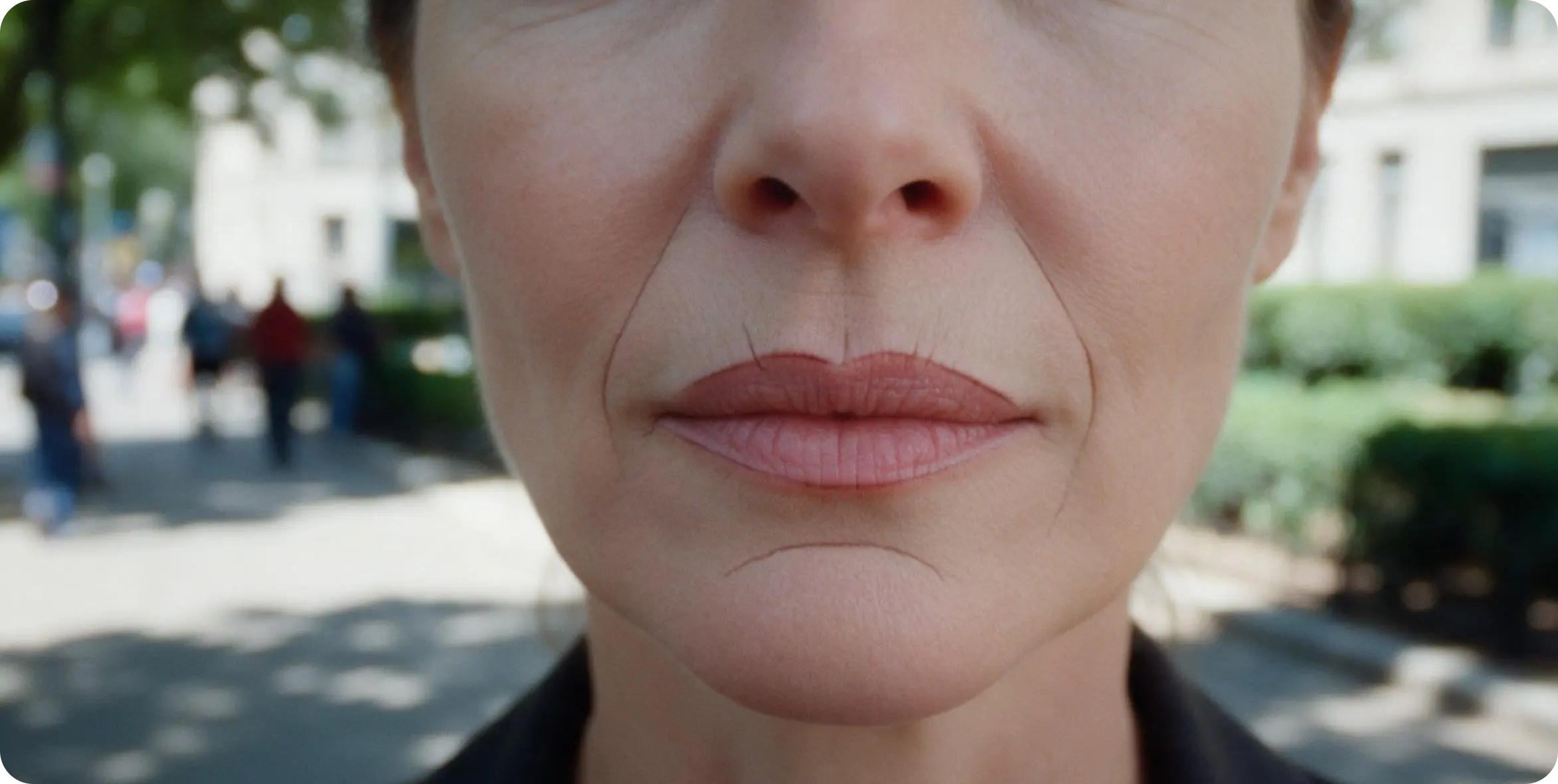
Natural lip enhancement will not give you a new mouth. It can help your existing lips look smoother, healthier, more defined, and less compressed – without fillers, injections, or harsh “plumping” tricks. The visible difference usually comes from simple things: a stronger lip barrier, daily UV protection, less dryness, a relaxed jaw, and skin around […]
Author:MINDBODYFACE
60
FACIAL FAT GRAFTING: ARE THE POTENTIAL RISKS TOO HIGH?
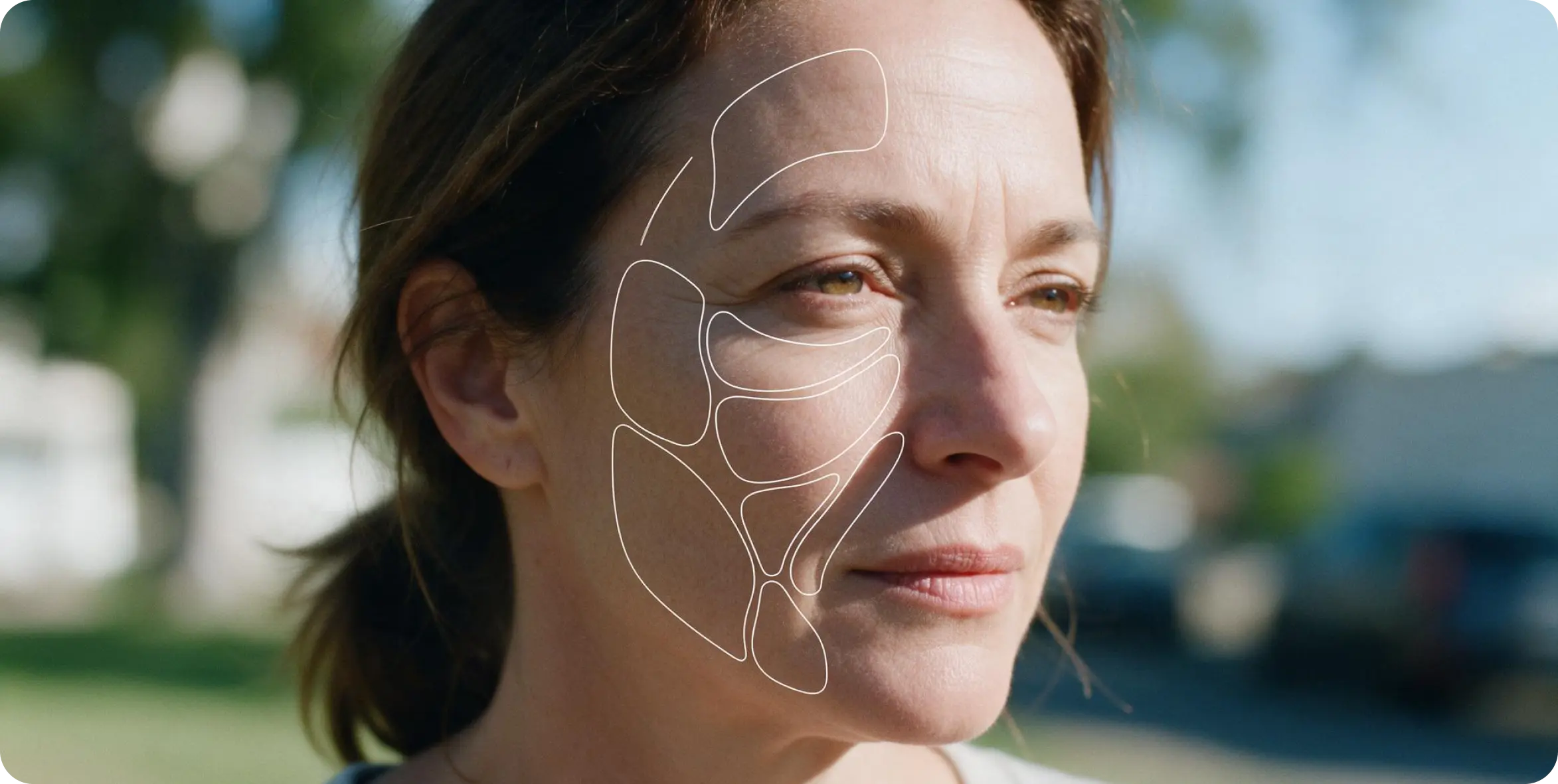
Facial fat grafting risks are not automatically “too high,” but this is a surgical procedure with an unpredictable aesthetic outcome and a small risk of severe complications. For the right patient, treated conservatively by an experienced surgeon, facial fat transfer can restore volume in hollow areas. For someone seeking a perfectly controllable result, a dramatic […]
Author:MINDBODYFACE
80

PLATYSMAL BANDS: WHY VERTICAL NECK BANDS APPEAR AND WHAT YOU CAN DO NATURALLY
Platysmal bands are the vertical cords that may appear across the front or sides of the neck when you speak, grimace, turn your head, lift your chin, or tighten your lower face. These neck bands can become obvious in photographs first: your face still looks familiar, while the neck suddenly appears more strained, heavier, or […]
Author:MINDBODYFACE
160


MINDBODYFACE LLC
1021 E Lincolnway Suite 8342, Cheyenne, WY 82001
+16282892382
All services and information on this website are for educational purposes only and do not constitute medical advice or treatment -