Mar 27, 2026
•6 minutes read
•Author: MINDBODYFACE
How to stop aging by improving blood circulation

Have you ever wondered why young skin is elastic, rosy and has a clear oval shape, while changes in the shape of the face over time are accompanied by dullness, dryness, and wrinkles? A young face has ideal blood circulation dynamics, each cell receives oxygen and the necessary nutrition, and waste products are removed naturally and on time.
Over the years, stress accumulates in every person, causing tension in the body that compresses the blood vessels. This tension leads to circulatory disorders and facial aging. Toxins and free radicals accumulate, lymph flow deteriorates, and cells do not receive the necessary nutrients. This leads to swelling, weakening of the facial “framework,” and a “floating” oval.
You can improve blood flow and facial contours using natural methods that will help restore not only a healthy glow to the skin and clear lines to the oval, but also improve the health of the entire body.
Why does the face age from within?
The effect of each level on blood circulation and facial contours:
- Skin
Blood circulation affects the delivery of oxygen to cells and ensures collagen synthesis. When microcirculation is disrupted, the skin becomes thin, dull, dry, healing slows down, and fine wrinkles appear.
- Muscles:
The muscular “framework” needs energy, which is provided by dynamic blood circulation. With insufficient blood flow, muscles lose tone, chronic spasms and imbalances appear, leading to facial asymmetry and creases.
- Deep tissues:
Fascia, “fat pads,” and bone structure are often ignored when trying to rejuvenate the face. But these levels play an important role in blood circulation and facial structure. If these areas are spasmodic, this indicates a problem with the vascular plexuses, causing the fascia to lose elasticity and “stick together,” and the cheekbones to lose support due to metabolic disorders in the tissues, leading to a sunken and asymmetrical face.

The main mechanisms of microcirculation and facial health help to:
- Eliminate metabolic waste, tighten the oval, and soothe inflamed areas.
- Restore sufficient collagen and elastin, making the skin elastic again, supporting “fat pads,” smoothing wrinkles, and making the face more symmetrical.
- Stabilize thermoregulation, slow down photoaging and redness of the skin, and remove “spider veins.”
Thus, improved blood flow restores clear facial contours, reduces nasolabial folds, tightens drooping eyelids, and fills the face with healthy volume.
How blood vessels form the “framework” of the face
Blood vessels are a dynamic living matrix, and the condition of each muscle, fascia, and “fat pad” depends on them:
- When blood circulation in the face is impaired and aging occurs, the contours begin to “float,” the chewing muscles spasm, the plasma does not receive sufficient nutrition, and the muscles lose tone. When the vessels are healthy, the nutrition of the cells of the neck and chin is stable, and blood and lymph flow are not impaired.
- The cheekbones “slide” down due to tension in the temple and lower jaw area, bruxism and asymmetry appear. If microcirculation in the vessels is reduced, the “Bichat’s fat pads” dry up and the upper lip rises. And if the deep arteries abundantly nourish the cheek muscles and “fat pads,” blood circulation remains intense, and lymphatic circulation in the face is not disrupted.
- The appearance of “heaviness” in the lower third of the face and the formation of a double chin are caused by spasms in the sternocleidomastoid and occipital areas, as this is where the main venous trunk passes. A balanced inflow and outflow of blood in these areas helps to keep the chin in place and make the face lighter.

It can be concluded that blood circulation and skin tone are closely related, as the elasticity and health of tissues depend on the filling of blood vessels and lymphatic circulation.
Areas where lymphostasis changes the condition of the face
Poor microcirculation leads to increased pressure in the capillaries, which leads to the rise of plasma temperature, facial swelling, and circulatory disorders. The consequences are as follows:
- Heaviness, sagging, and tissue inflammation
- Masticatory and temporal muscles spasm, protrusion of fatty tissues, formation of hernias and dark circles under the eyes
- Lymphatic drainage becomes uneven, leading to asymmetry of the cheeks, lips, and chin
Blood circulation in the face can be improved using natural methods based on osteopathic drainage, gentle manual techniques, and neuromuscular regulation. Craniosacral therapy restores micro-movement of the skull bones and instantly increases blood flow, acupressure manipulations restore oxygen to the tissues and activate lymph flow, and work with nerves and muscles eliminates chronic spasms for smooth fluid flow
The connection between blood vessels and skin radiance
The health of blood vessels directly affects the appearance of the face and the condition of the body as a whole:
- An even and bright skin tone is created by sufficient hemoglobin in the blood. When blood flow is disrupted, less oxygen is supplied, the protein in the capillaries changes color, and the face becomes gray.
- The skin is sufficiently moisturized if the tissue receives enough water. A decrease in microcirculation leads to deep dehydration, resulting in dry skin or oily shine.
- The production of collagen, elastin, and hyaluronic acid depends on blood supply. When cells are “starved,” they produce fewer peptides, tissue fibers begin to break, and new wrinkles form.
How to maintain facial contours with blood microcirculation
Blood circulation and facial skin elasticity are the foundation on which the architecture of youth is based. In order to keep the skin in good shape, it is necessary to eliminate tightness, regulate the nervous system, and improve blood supply to the connective tissues. This requires a comprehensive approach to the problem:
- Self-correction of posture and cervical spine to relieve tension and improve lymph and blood flow
- Breathing exercises to eliminate spasms in the vessels by activating the parasympathetic nervous system, which occurs during exhalation
- Working with fascial blocks will help free up blood vessels and restore nourishment to the face.
- Lymphatic drainage exercises eliminate hypertonicity of facial muscles and congestive edema
Lifestyle recommendations:
- Try to sleep on your back and use a high-quality orthopedic pillow to prevent facial asymmetry, poor microcirculation, and creases
- Wash your face with contrast water, as temperature changes train the blood vessels and maintain their elasticity.
- Eat a balanced diet that includes foods with sufficient vitamins and minerals that strengthen blood vessels and affect skin condition
- Learn and practice muscle-fascial relaxation techniques using the faceplastic method, which will help eliminate accumulated stress in the tissues and signs of aging, as well as improve blood and lymph flow
- Retrain your tissue memory for lasting rejuvenation results.

Long-term facial contouring and a healthy lifestyle will help improve skin elasticity, eliminate puffiness, restore a clear oval shape, and reduce or completely eliminate nasolabial folds and asymmetry through constant tissue nutrition and oxygen saturation of cells.
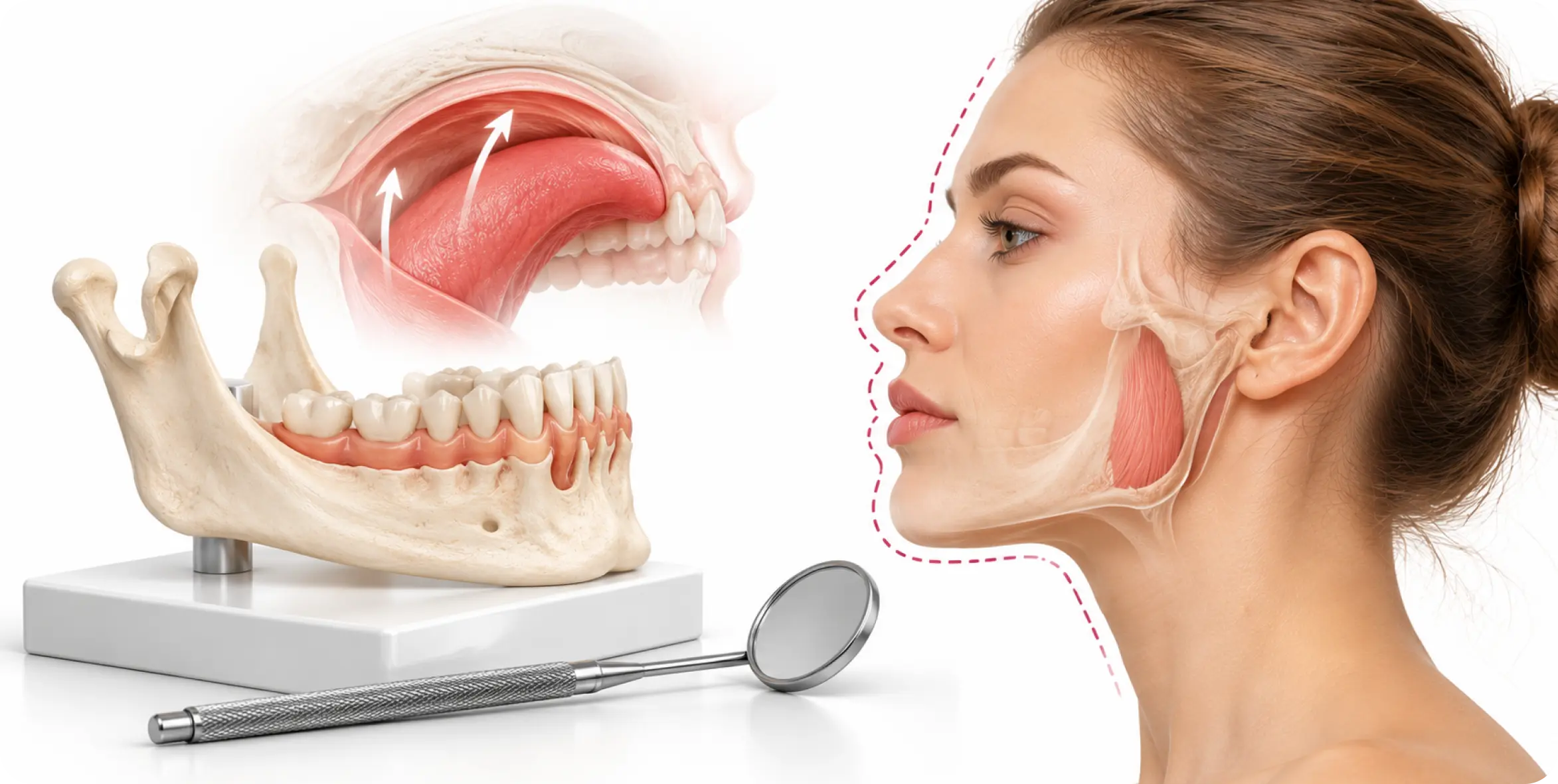
MEWING: DOES IT ACTUALLY WORK? WHAT TONGUE POSTURE CAN AND CANNOT CHANGE
Does mewing work? There is no convincing clinical evidence that it permanently reshapes the jawline, corrects facial asymmetry, or changes adult facial bones. Resting your tongue comfortably is different from pressing it forcefully against the palate in an attempt to sculpt your face. What is mewing, then? It is an online trend built around tongue […]
Author:MINDBODYFACE
 8
 0
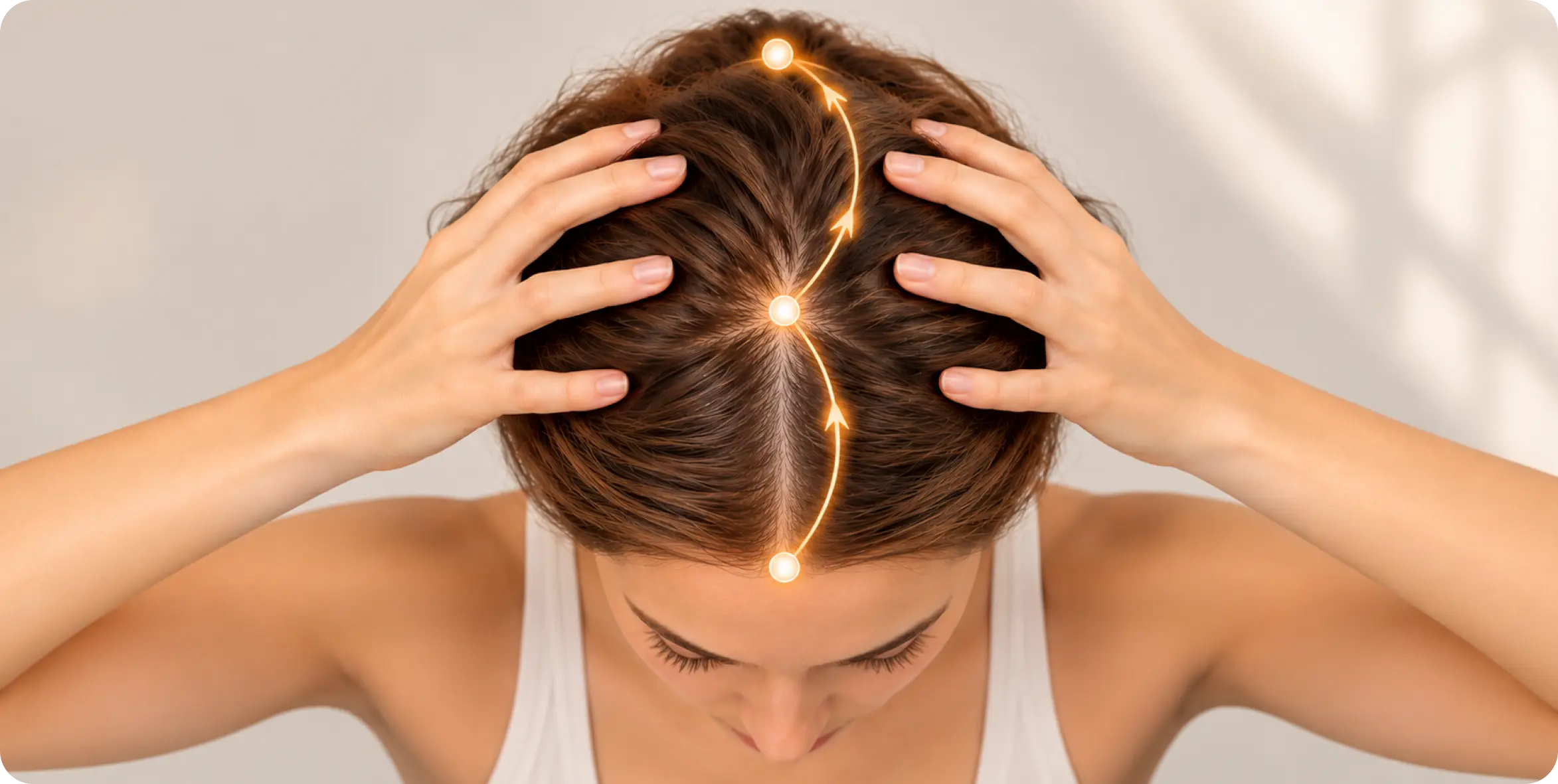
SCALP TENSION AND FACIAL AGING: CAN A TIGHT SCALP AFFECT THE FOREHEAD AND UPPER FACE?
Scalp tension can make the forehead, temples, and upper face feel tight or tired. The scalp and forehead share anatomical connections, so it makes sense to consider them together. But a tight-feeling scalp is not a proven cause of facial aging, and releasing it cannot be promised to lift the brows or erase wrinkles. Can […]
Author:MINDBODYFACE
50
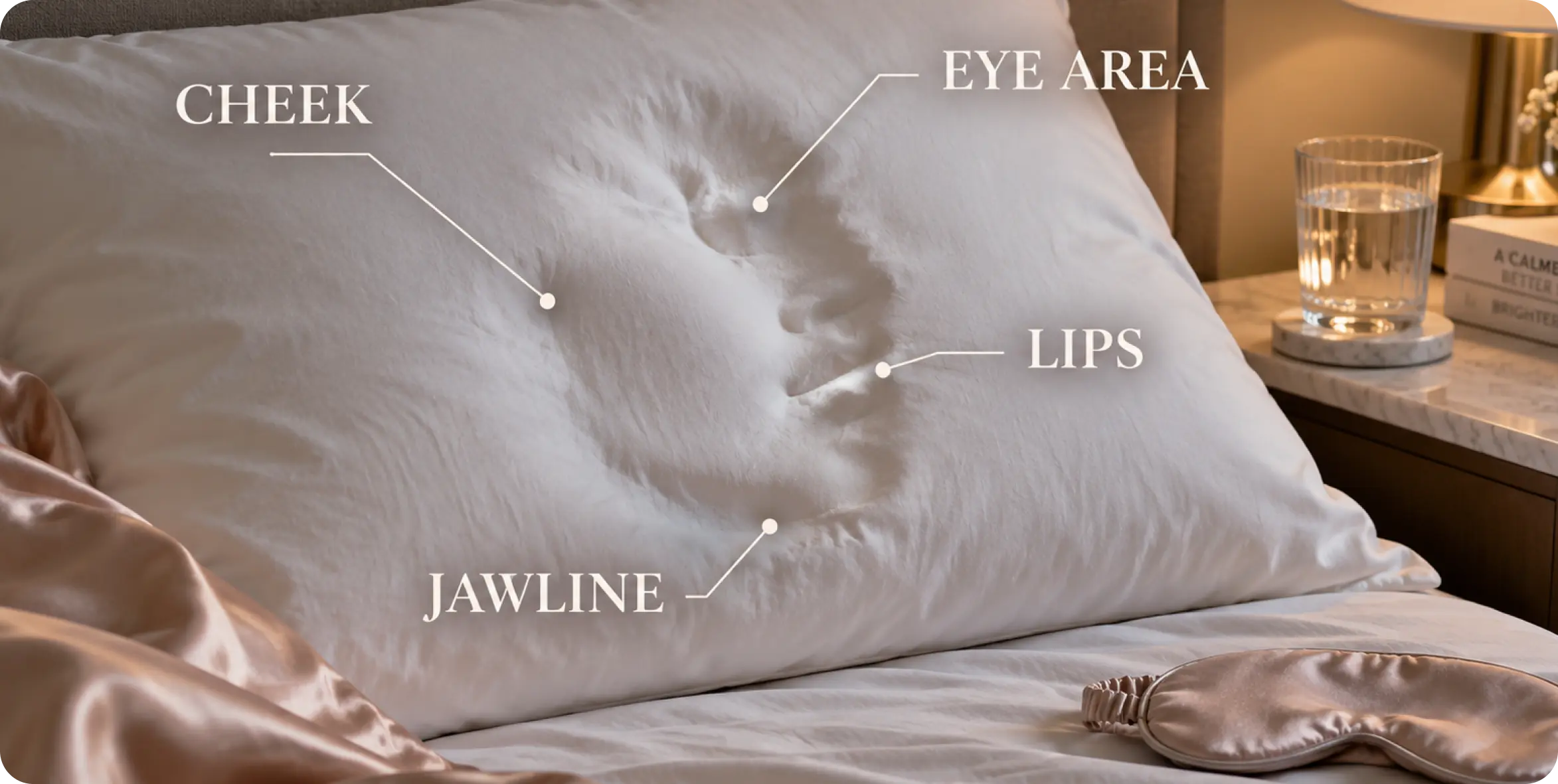
CAN SLEEPING ON ONE SIDE CHANGE YOUR FACE? SLEEP LINES, ASYMMETRY, AND FACIAL COMPRESSION
Can sleeping on one side change your face? It can temporarily change how your face looks in the morning. One cheek may seem puffier, one eye more swollen, and one side may show deeper pillow marks. Over many years, repeated pressure may contribute to sleep lines in aging skin, but side sleeping alone does not […]
Author:MINDBODYFACE
300

UNEVEN SMILE: WHY ONE SIDE OF THE MOUTH SITS HIGHER AND WHAT FACIAL TENSION HAS TO DO WITH IT
An uneven smile can be one of those details you only notice in photos or videos. One corner of the mouth lifts more. One side of the upper lip looks higher. One cheek seems to move first, while the other appears quieter or tighter. A little facial asymmetry is normal. Almost no one has a […]
Author:MINDBODYFACE
620


MINDBODYFACE LLC
1021 E Lincolnway Suite 8342, Cheyenne, WY 82001
+16282892382
All services and information on this website are for educational purposes only and do not constitute medical advice or treatment -