Feb 03, 2026
•9 minutes read
•Author: MINDBODYFACE
Hormonal facial aging: how to stop time

Facial aging is not just a matter of appearance, but the result of the condition of the entire body. Hormones have a strong influence on facial skin and tissue elasticity. Menopause and facial aging are closely intertwined. During this time, the entire hormonal system is undergoing changes, and estrogen levels drop. This hormone is involved in skin hydration, collagen production, and maintaining tissue elasticity. During menopause, the skin becomes dry, thin, prone to swelling and sagging. Therefore, during this period, it needs more attention and care.
Cosmetic procedures can support the upper layers of the skin, but at a deeper level, tissue deterioration will continue. For a stable and long-lasting result, it is better to resort to natural support for facial aging. One such natural rejuvenation method is faceplastica, which will help:
- Improve blood circulation and tissue nutrition
- Relieve muscle tension that causes ptosis
- Maintain skin softness and elasticity
- Regulate the nervous and endocrine systems
First, let’s figure out what happens to the body during hormonal imbalance, what consequences to expect, and what methods will help maintain youthfulness for many years.
What happens to the skin during menopause
During premenopause and menopause, estrogen and progesterone levels decrease, and cortisol and insulin function changes. If you don’t start taking care of your skin and body in depth, natural aging of the face is inevitable:
- The skin and subcutaneous fat become thinner
- Collagen and elastin are produced more slowly
- Dryness and dehydration appear
- The volume of the face changes, and the skin begins to sag
- Facial muscles spasm, especially in the cheek and chin areas
Hormones regulate blood circulation and tissue nutrition, the functioning of the sebaceous and sweat glands, and are responsible for skin and muscle regeneration, as well as stress response. When hormonal balance is disrupted, it immediately affects the face. It looks tired, its contours become blurred, and the skin loses the necessary moisture. This is why many women notice that their faces age faster with the onset of menopause.
How to help the hormonal system and prevent aging
A complex for natural support in the fight against age-related changes in the face:
- Restorative techniques. Muscles lose tone and are in constant tension. Gentle faceplastica techniques release tension, restore symmetry, and improve blood circulation and lymphatic drainage.
- Protecting the skin barrier. Hormonal imbalances make the skin more sensitive, so gentle care, maintaining the microbiome and pH help it stay firm and radiant.
- Stress management. Constant anxiety causes premature aging. Breathing exercises, physical practices, and normalizing sleep have a positive effect on skin condition, reducing puffiness and muscle tension.
- Healthy lifestyle. Proper nutrition, daily activity, sleep, and emotional balance are the foundation of everything. Without the necessary support, cosmetic procedures will only give temporary results.
A competent approach that combines knowledge of natural rejuvenation and a healthy lifestyle helps maintain youthfulness at any age.
Hormones as regulators of appearance
Hormones determine the condition of the entire body and how it reacts to stress. This is especially noticeable on the face, as the skin and muscles are very sensitive to hormonal fluctuations.
The hormones that most affect facial aging are:
- Estrogens. When estrogen levels decrease, the condition of the skin on the face and body deteriorates, losing moisture and leading to rapid aging.
- Progesterone. It is important for tissue repair and prevents inflammation, so sufficient amounts are important for facial youthfulness.
- Cortisol. This is a stress hormone that can destroy collagen and cause muscle spasms, causing the skin to age prematurely.
- Insulin and thyroid hormones. They help regulate metabolism and blood circulation, so skin hydration and nutrition depend on their functioning.
Hormones control the functioning of fatty tissues and the condition of ligaments. When the balance is disturbed, volume is lost: the oval of the face loses its clarity and ptosis may appear. Thus, the youthfulness of the face depends on the state of the hormonal system and the functioning of the entire body.
The link between facial aging and collagen loss
When estrogen levels drop, the rate of collagen synthesis decreases significantly. Studies show that in the first years of hormonal changes, the skin can lose up to 30% of its collagen. This is a clear example of how hormones and collagen loss are directly related.

As a result:
- the skin becomes thinner;
- its density and flexibility decrease;
- wrinkles form faster and become deeper;
- the oval of the face loses its clarity;
- dryness and tightness appear;
- elasticity decreases;
- nasolabial folds and fine wrinkles become more pronounced;
- The complexion deteriorates due to reduced microcirculation.
- Sensitivity and susceptibility to irritation increase.
These changes occur even with good care if the state of the hormonal system is not taken into account.
Understanding the role of collagen allows you to develop a more effective rejuvenation strategy. It is necessary to:
- work on facial muscle and fascial tone;
- reduce chronic stress and cortisol levels;
- work on blood and lymph circulation;
- work with lifestyle and gentle faceplastica techniques to restore and maintain results.
This approach helps maintain hormonal balance against aging and keeps skin elastic even during periods of natural hormonal changes. A decrease in estrogen levels is a signal to switch from superficial to deep and conscious facial care.
What changes occur during menopause and why
Hormonal changes and skin elasticity during menopause are directly related, and this factor cannot be ignored. During this period, the production of hormones responsible for skin density, collagen synthesis, moisture retention, and subcutaneous fat stability decreases. This changes not only the skin, but also the entire architecture of the face: muscles, ligaments, fat pads, and bone structures. This is why facial aging progresses differently at different ages. While changes are more superficial at ages 30–40, they become structural after ages 45–50.
The main signs of facial aging during menopause are:
- Sagging and loss of facial contour definition
- Dryness and thinning of the skin
- Loss of volume in the cheek area
- Change in contours and proportions
- Deepening of nasolabial folds
- Appearance of “creases” in areas of chronic tension
Skin elasticity directly depends on hormonal balance. During menopause:
- cell renewal slows down dramatically;
- collagen and elastin synthesis decreases;
- microcirculation deteriorates.
As a result, the skin regenerates slowly, loses its shape, and responds poorly to aggressive cosmetic procedures.
Many women during this period intensify their skincare routine or consider surgical correction methods. However, without taking hormonal changes into account, the result is either unstable or looks unnatural. Focusing only on the skin does not solve the problem, because changes occur throughout the entire face and body.
Conscious facial support during menopause is:
- working with muscles and fascia;
- restoring blood and lymph circulation;
- reducing chronic tension;
- incorporating gentle faceplastica techniques;
- supporting hormonal balance through lifestyle choices.
A natural method of rejuvenation for hormonal aging of the face
Hormonal balance and skin health are a continuous process that accompanies a person throughout their life. Understanding hormonal influences allows you to build a strategy for natural rejuvenation without drastic interventions, making the face “alive” and corresponding to biological age, rather than the numbers in your passport.
The face is sensitive to the condition of the entire body, and it is the non-invasive, holistic approach that allows you to gently and naturally maintain its health and youth at any age.
The condition of blood circulation and lymph flow in the head, neck, and back is of particular importance. Hormonal changes often lead to a tendency toward stagnation: swelling, dull complexion, and “bags” under the eyes. Faceplastica specialists work with the neck and collar area, posture, skull bones, and even the feet to help restore the free flow of fluids. This improves tissue nutrition and reduces inflammation.
Stress management is one of the most underrated but critically important factors. Chronically elevated cortisol accelerates collagen breakdown, increases facial muscle tension, and disrupts recovery processes. At MindBodyFace, experienced specialists teach relaxation practices, conscious breathing, and how to work with physical tension. This reduces the load on the adrenal glands and creates conditions for a more stable hormonal balance.
Natural support for hormonal aging of the face is not a set of disparate techniques, but a holistic system. When lifestyle, movement, blood circulation, lymph flow, and stress regulation work in unison, the face begins to look younger and healthier. This approach does not fight aging, but helps the body and face to live each stage of life with dignity and beauty.
Rejuvenation through hormonal balance

In the practice of natural rejuvenation, it is important to understand that the face does not exist separately from the body and nervous system. Hormonal balance is formed not only by the endocrine glands, but also by how a person moves, breathes, reacts to stress, and holds their body in space. Faceplastica gives more stable and natural results than surgical interventions.
Good posture is one of the key factors in hormonal and aesthetic balance. The position of the head, neck, and chest directly affects the blood supply to the brain, pituitary gland, and thyroid gland – the centers of hormonal regulation. Slouching, leaning the head forward, and constricting the chest disrupts venous and lymphatic drainage, increases stress hormone levels, and causes facial tissues to lose tone and volume more quickly. Correcting posture creates conditions for normalizing hormonal signals and improving skin nutrition.
Faceplastica techniques work not by force, but by precision action on the tissue. Gentle action activates skin and fascia receptors, reduces excessive muscle tension, and improves microcirculation. As a result, tissues become more sensitive to estrogen, growth hormones, and recovery factors. The face gradually regains its elasticity, symmetry, and lively facial expressions.
Body alignment – working with the pelvis, spine, feet, and breathing – is directly related to facial rejuvenation. Imbalances in the body create chronic tension in the muscle-fascial chains, which is reflected in the face in the form of asymmetry, swelling, and premature wrinkles. When the body returns to a more natural position, the load on the nervous and hormonal systems decreases, and the face begins to “release” the accumulated tension.
Regulation of the nervous system is the foundation of hormonal rejuvenation. Constant activation of the sympathetic nervous system maintains high cortisol levels, blocking the processes of skin repair and renewal. Practices aimed at activating the parasympathetic system – slow breathing, conscious movements, body therapy – allow the body to transition from survival mode to recovery mode. It is in this state that the hormonal mechanisms that support youthfulness and tissue density are activated.
Rejuvenation through hormonal balance is not a fight against aging, but the creation of conditions in which the body and face are able to recover naturally. When posture, gentle manual manipulation, spinal alignment, and nervous system regulation work together, hormonal changes and skin elasticity are restored and the results are maintained for a long time.
FACIAL REJUVENATION AFTER 45: PROCEDURES THAT MAY NOT BE WORTH IT
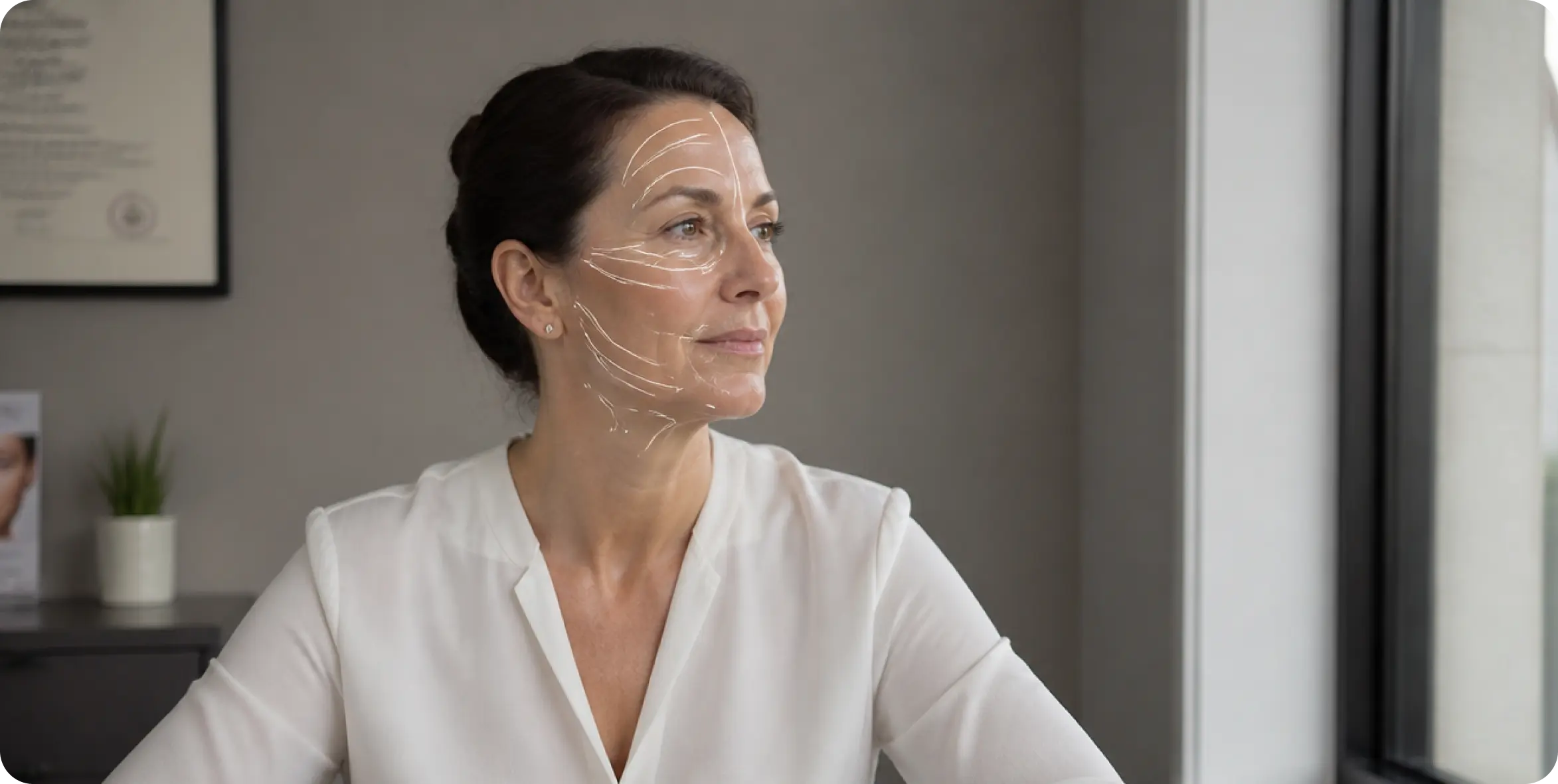
Facial rejuvenation after 45 works best when the treatment matches the actual change you want to address. The useful question is not which option is “best,” but whether a procedure can deliver enough benefit to justify its cost, recovery, maintenance, and possible complications. Many facial rejuvenation procedures after 45 are marketed as universal solutions. Yet […]
Author:MINDBODYFACE
 3
3 0
0
ENHANCING THE NATURAL BEAUTY OF THE LIPS WITHOUT AUGMENTATION
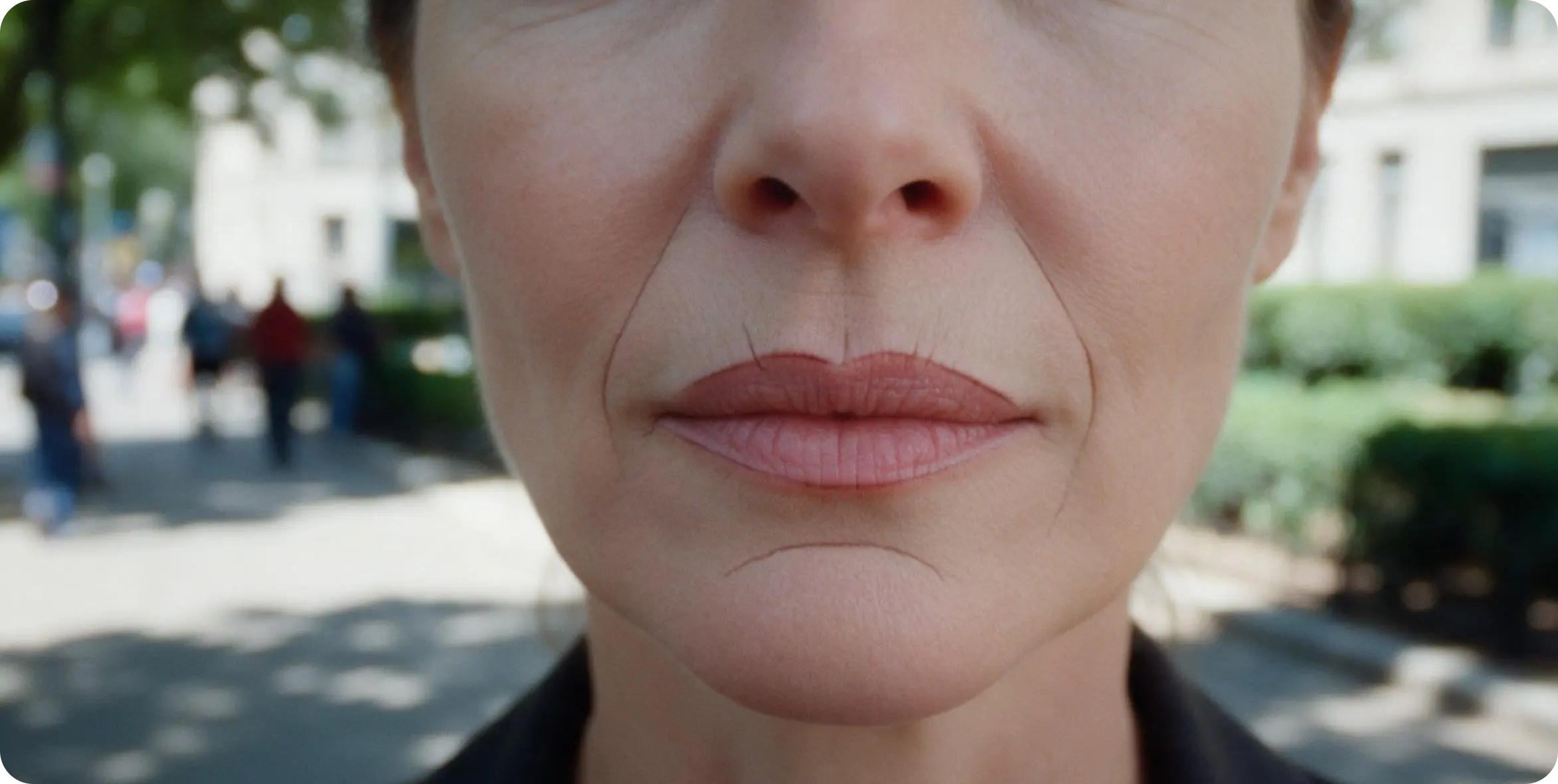
Natural lip enhancement will not give you a new mouth. It can help your existing lips look smoother, healthier, more defined, and less compressed – without fillers, injections, or harsh “plumping” tricks. The visible difference usually comes from simple things: a stronger lip barrier, daily UV protection, less dryness, a relaxed jaw, and skin around […]
Author:MINDBODYFACE
60
FACIAL FAT GRAFTING: ARE THE POTENTIAL RISKS TOO HIGH?
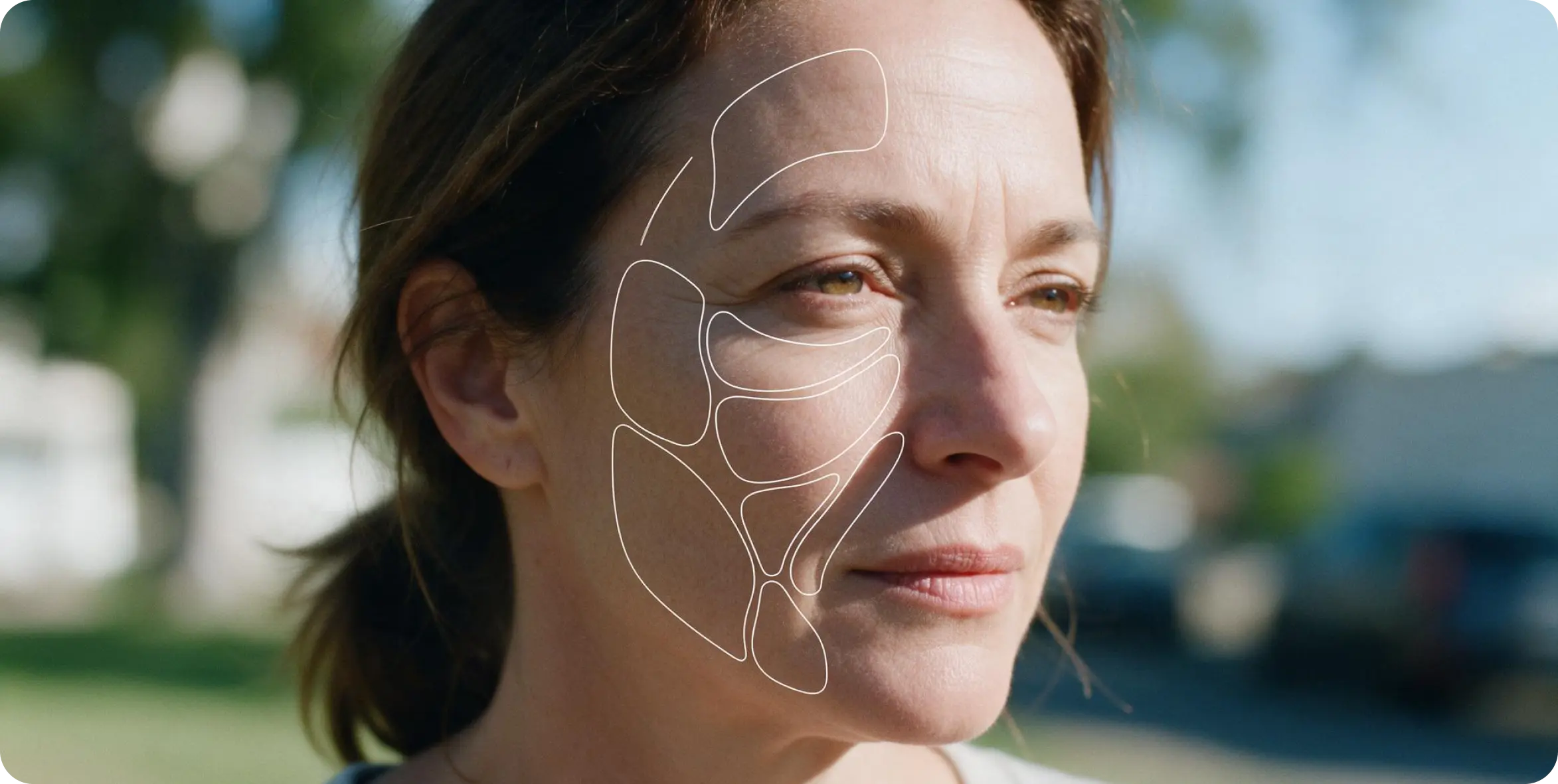
Facial fat grafting risks are not automatically “too high,” but this is a surgical procedure with an unpredictable aesthetic outcome and a small risk of severe complications. For the right patient, treated conservatively by an experienced surgeon, facial fat transfer can restore volume in hollow areas. For someone seeking a perfectly controllable result, a dramatic […]
Author:MINDBODYFACE
80

PLATYSMAL BANDS: WHY VERTICAL NECK BANDS APPEAR AND WHAT YOU CAN DO NATURALLY
Platysmal bands are the vertical cords that may appear across the front or sides of the neck when you speak, grimace, turn your head, lift your chin, or tighten your lower face. These neck bands can become obvious in photographs first: your face still looks familiar, while the neck suddenly appears more strained, heavier, or […]
Author:MINDBODYFACE
160


MINDBODYFACE LLC
1021 E Lincolnway Suite 8342, Cheyenne, WY 82001
+16282892382
All services and information on this website are for educational purposes only and do not constitute medical advice or treatment -