Apr 01, 2026
•6 minutes read
•Author: MINDBODYFACE
Chronic stress and changes in facial volume

When experiencing stress, the brain triggers a series of reactions: the release of cortisol and adrenaline, increased heart rate, increased blood pressure, and muscle spasms. Headaches, neck and back tension, and hormonal problems lead to chronic stress and facial aging.
Deep wrinkles and bruxism appear, “fat pads” are no longer supported and “slide” down.
Cortisol is the cause of stress-related facial volume loss. It suppresses the activity of fibroblasts that produce collagen, disrupts the synthesis of hyaluronic acid, and causes the skin to dry out and age. This hormone slows down cell regeneration, and cells lose their ability to repair themselves.
After a state of shock or prolonged anxiety, there is a feeling that it is difficult to unclench the jaw, the teeth begin to “ache,” and the temples throb. In this state, a person tenses all the muscles of the face, which stop receiving the signal to relax and begin to spasm. This leads to the appearance of trigger points, which subsequently compress the trigeminal nerve, causing burning or numbness in the face. This chain of events leads to chronic stress, and facial appearance begins to change.
Stress leads to muscle spasms, slowed blood and lymph circulation, displacement of bone structures, fluid accumulation, poor cell nutrition and oxygen supply to tissues. Stress can be eliminated and facial volume changed through deep facial plastic techniques and work with emotional patterns of aging.
Cortisol and changes in facial tissues
Cortisol is one of the main causes of tissue destruction. It is an important hormone for adapting to stress, but its increase leads to unpleasant consequences in the body. The effect of cortisol on facial tissue is undeniable, as its surges lead to swelling, sagging cheeks, sebum production, and aging.
How cortisol causes facial aging:
- An increase in the stress hormone activates an enzyme that breaks down collagen. Suppression of protein synthesis reduces fibroblast activity and disrupts the fiber maturation process. As a result, the skin loses its elasticity, the face loses volume, and stress hormones cause premature aging.
- Cortisol suppresses hyaluronic acid production and peripheral vascular spasms. This causes dry skin and deepening wrinkles.
- Stress and fat loss in the face are linked through lipase. Cortisol activates this hormone, causing the cheekbones to “drop,” the lower part of the face to become heavier, and the cheeks to sink.
- Stress and facial structure: cortisol increases the tone of the masticatory and facial muscles, forming trigger points. This changes the position of the bone structures, disrupts lymph flow, and leads to facial asymmetry.

Stress-induced loss of facial volume and hollows
Stress on the nervous system and face is primarily manifested in the cheeks, under the eyes, and chin: “fat pads” sag downward, dark circles and “bags” remain even after a good night’s sleep, and the contours of the face become “blurred.” The fact is that during a state of anxiety, the brain switches to “survival” mode, and the face becomes the area of impact.
Causes of stress-induced facial changes:
- Hormonal imbalance due to cortisol, which destroys collagen: the skin loses its density and volume, nasolabial folds and frown lines appear, and the face looks lifeless.
- Inflammation due to poor blood microcirculation: vasospasm leads to a dull complexion, “bags” under the eyes, and puffiness. This changes the “framework” of the face, the cheekbones drop, and the person looks older than their age.
- “Sagging” oval and ptosis: chronic clenching leads to hypertrophy of the masticatory muscles, which makes the chin more massive and disrupts tissue nutrition. This leads to asymmetry, “fat bags” sliding down, nasolabial folds, and jowls.
- Neurological patterns: frequent squinting leads to “crow’s feet,” propping up the face with the hand leads to asymmetry, sleeping on the side or stomach leads to swelling and wrinkles.

Eliminating such problems for the long term will help correct the root causes through emotional release, gentle manual work with the bones of the skull, restoration of microcirculation and lymphatic drainage, an individual approach to facial exercises, and work with tightness throughout the body.
The impact of long-term emotional stress on facial structure
Facial aging and chronic stress are not parallel processes, but the result of hormonal and nervous crisis that rebuilds tissue connections from within:
- Cortisol inhibits collagen and elastin synthesis, destroying fat cells and increasing the appearance of “permanent” wrinkles
- Emotional tension and facial features after stress patterns lead to the appearance of frown lines and nasolabial folds, drooping corners of the mouth and a double chin
- Acquired asymmetry due to spasms in the musculofascial structure in the cervical region and temporomandibular area
- Negative emotions reduce parasympathetic activity and slow down lymphatic drainage. As a result, toxins accumulate, swelling increases, and the skin becomes dull.
Prevention and restorative approaches to facial rejuvenation after stress
How to recover on your own after prolonged stress after the face lost its clear contours:
- Diaphragmatic breathing training, which consists of daily repetitions in the morning and evening for 10 minutes:
Place your hand on your stomach to control the movement. Take a deep breath through your nose, inflating your stomach, and exhale slowly through your mouth, pulling your abdominal area in as much as possible. This meditative practice will help reduce cortisol levels by up to 30%.
- Mindful face scanning for 10 minutes:
You can close your eyes and focus your attention on your face to feel areas of tension and gradually “release” the tension. This exercise will help restore healthy skin tone and smooth out expression lines.
- Structural restoration for facial sagging and stress:
Place your fingers on your cheekbones, creating slight resistance. Slowly smile, lifting your cheeks as high as possible for 10 seconds. Repeat the exercise 10 times.
- You can outline the “corners of youth” with the following technique:
Tilt your head back slightly, pull the skin on your neck taut, and form your lips into a tube. Do 15 repetitions in two sets.

If you want to get rid of puffiness, asymmetry, creases, and wrinkles for a long time, you need to approach the problem individually. To do this, you need to learn how to analyze the level of muscle and fascial tension, identify asymmetry, and select faceplastica techniques and exercises that take into account the characteristics of your skin and body.
At MindBodyFace, you can learn unique faceplastica techniques, craniosacral therapy to relieve stress, methods for straightening your posture, and restoring the correct position of your internal organs to reduce the depth of wrinkles and stabilize your emotional state.
FACIAL REJUVENATION AFTER 45: PROCEDURES THAT MAY NOT BE WORTH IT
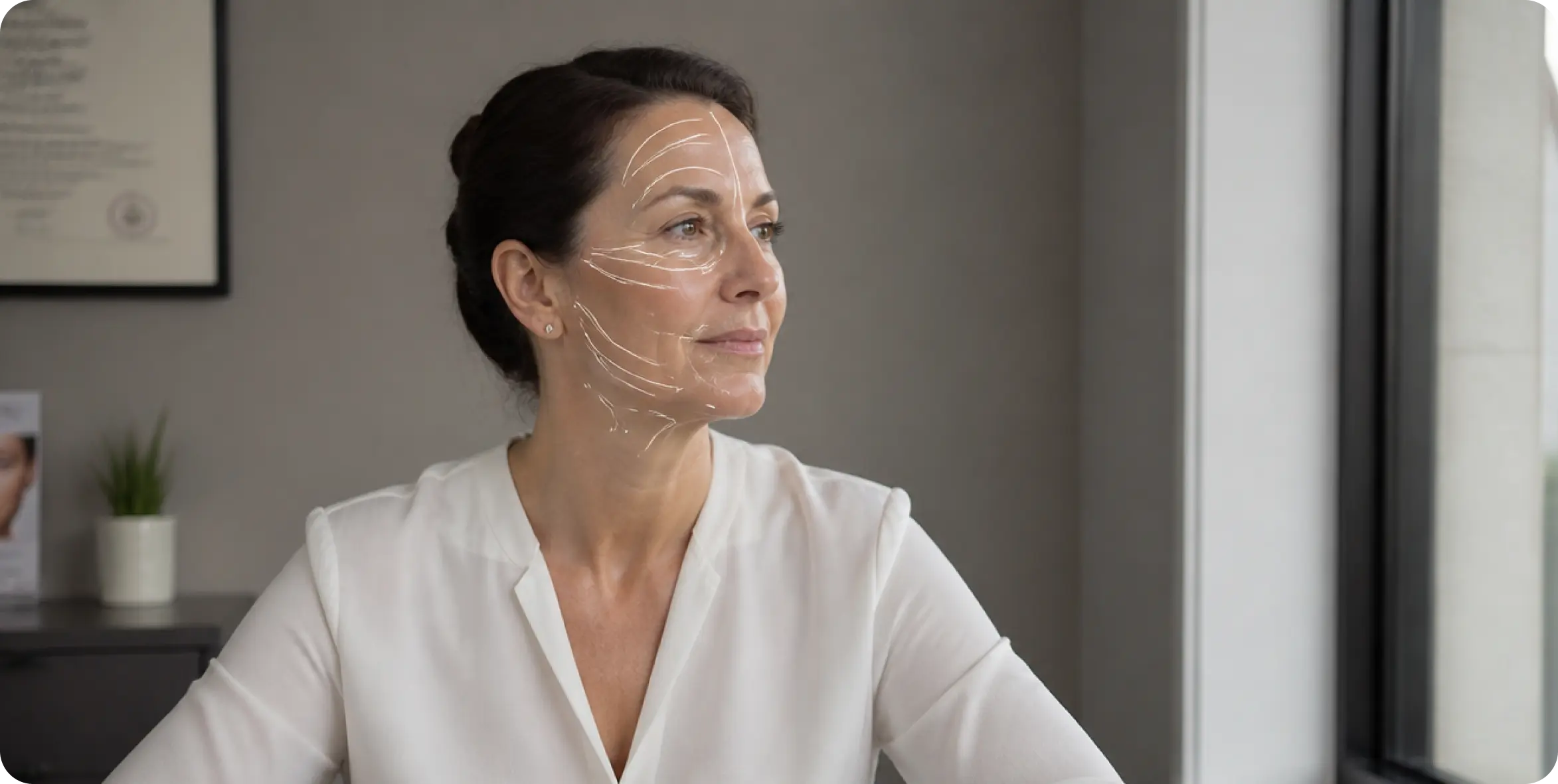
Facial rejuvenation after 45 works best when the treatment matches the actual change you want to address. The useful question is not which option is “best,” but whether a procedure can deliver enough benefit to justify its cost, recovery, maintenance, and possible complications. Many facial rejuvenation procedures after 45 are marketed as universal solutions. Yet […]
Author:MINDBODYFACE
 3
3 0
0
ENHANCING THE NATURAL BEAUTY OF THE LIPS WITHOUT AUGMENTATION
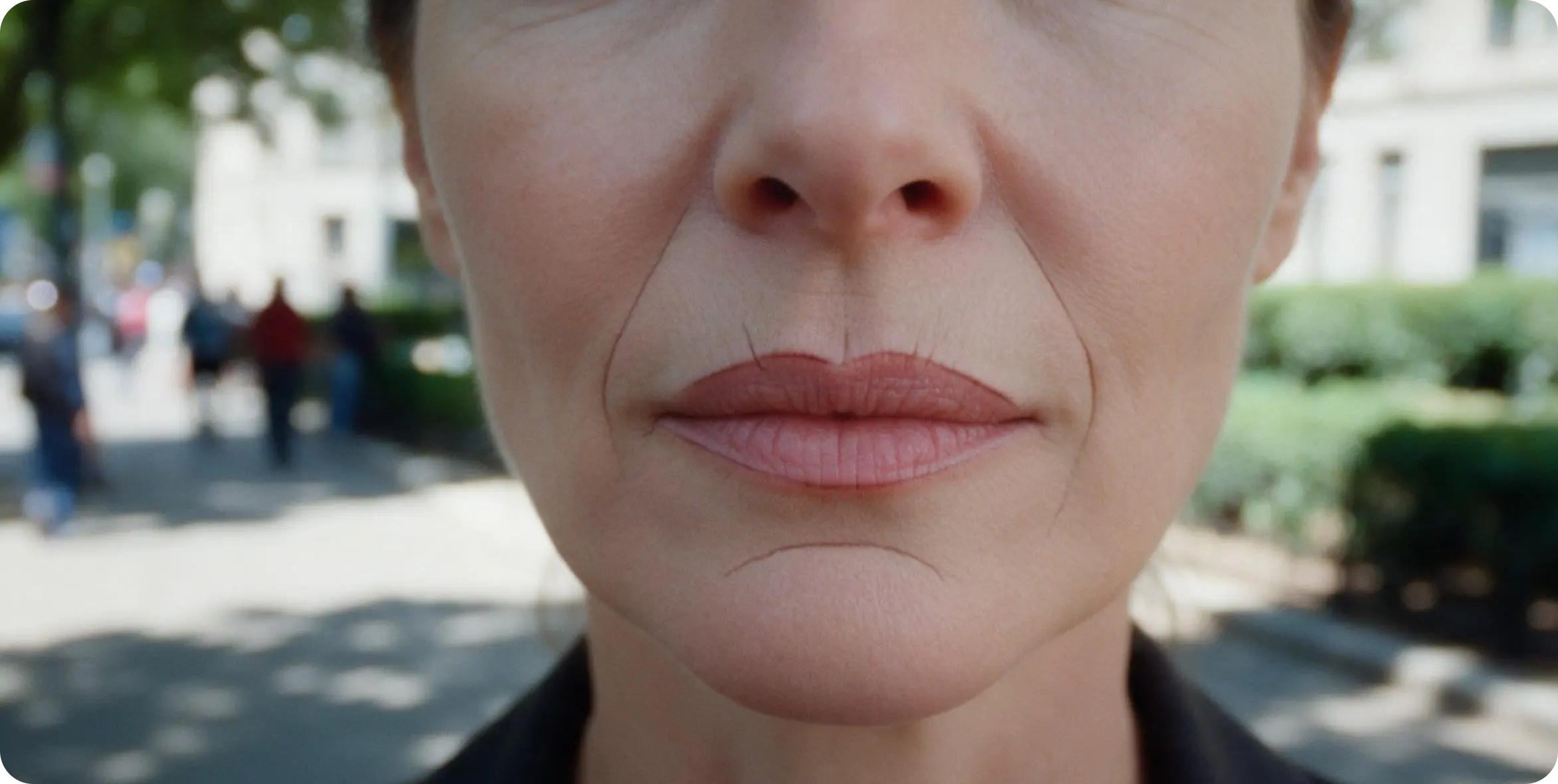
Natural lip enhancement will not give you a new mouth. It can help your existing lips look smoother, healthier, more defined, and less compressed – without fillers, injections, or harsh “plumping” tricks. The visible difference usually comes from simple things: a stronger lip barrier, daily UV protection, less dryness, a relaxed jaw, and skin around […]
Author:MINDBODYFACE
60
FACIAL FAT GRAFTING: ARE THE POTENTIAL RISKS TOO HIGH?
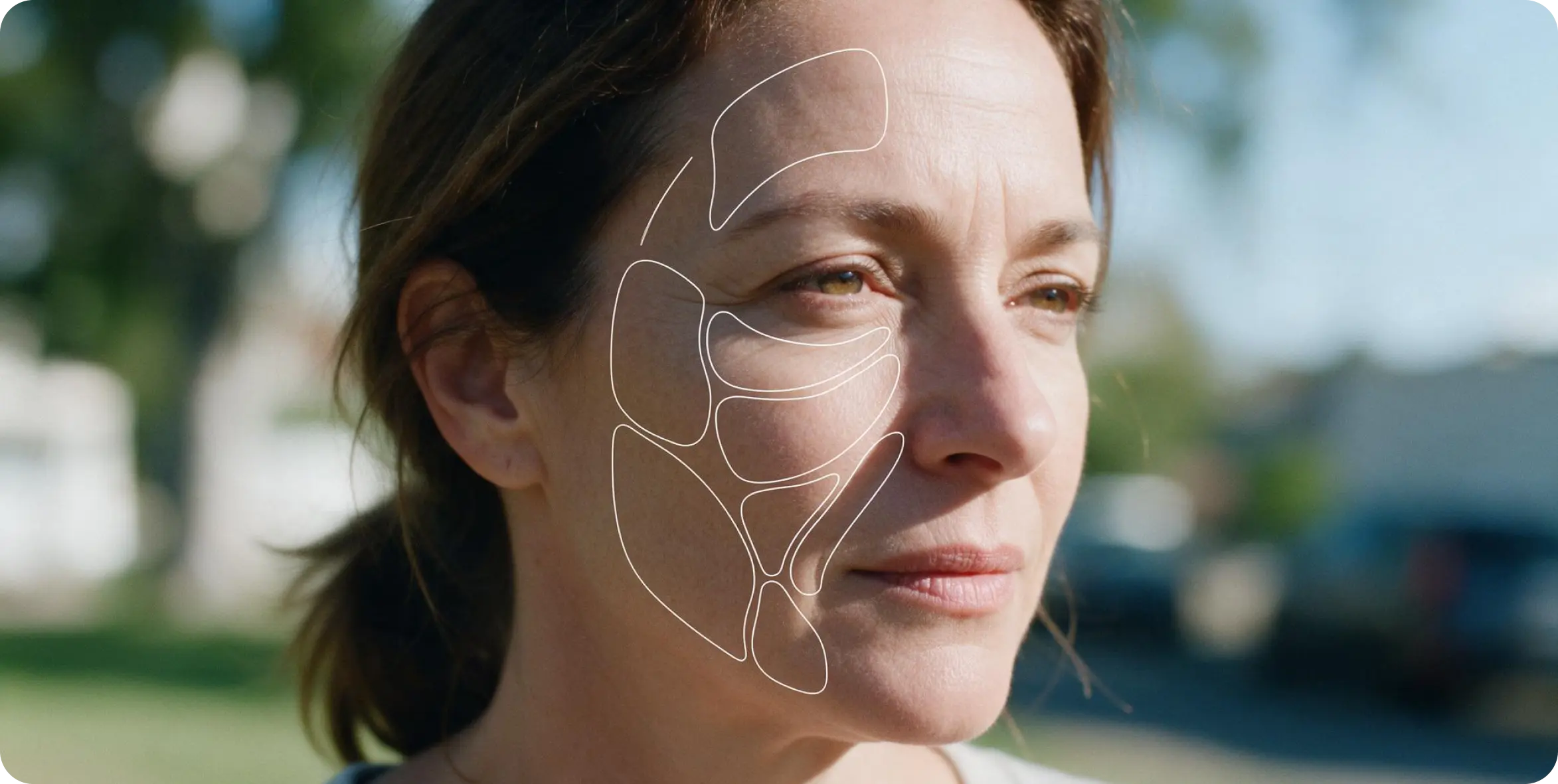
Facial fat grafting risks are not automatically “too high,” but this is a surgical procedure with an unpredictable aesthetic outcome and a small risk of severe complications. For the right patient, treated conservatively by an experienced surgeon, facial fat transfer can restore volume in hollow areas. For someone seeking a perfectly controllable result, a dramatic […]
Author:MINDBODYFACE
80

PLATYSMAL BANDS: WHY VERTICAL NECK BANDS APPEAR AND WHAT YOU CAN DO NATURALLY
Platysmal bands are the vertical cords that may appear across the front or sides of the neck when you speak, grimace, turn your head, lift your chin, or tighten your lower face. These neck bands can become obvious in photographs first: your face still looks familiar, while the neck suddenly appears more strained, heavier, or […]
Author:MINDBODYFACE
160


MINDBODYFACE LLC
1021 E Lincolnway Suite 8342, Cheyenne, WY 82001
+16282892382
All services and information on this website are for educational purposes only and do not constitute medical advice or treatment -