Aug 26, 2026
•9 minutes read
•Author: MINDBODYFACE
WHICH SPECIALIST CAN HELP CORRECT POOR POSTURE?

A posture correction specialist can help you understand why your shoulders round forward, your neck feels tight, or your lower back aches after a normal day. But “poor posture” is not one diagnosis, and there is no single professional who is right for everyone.
Maybe you have started noticing a hump at the base of your neck in photos. Maybe your lower back hurts after sitting, your shoulders creep toward your ears, or you look tired even after sleep. You are not lazy. Your body may have adapted to hours at a laptop, stress, old injuries, pain, weak movement habits, or a training routine that does not match what you need.
The first step is not to force yourself to stand rigidly straight. It is to find out what is actually happening in your body and choose the right person to help.
How to Recognize Poor Posture and When to Seek Professional Help
Poor posture is more than slouching. It can show up as a head that sits forward of the shoulders, rounded upper back, shoulders that roll inward, one hip higher than the other, a pelvis that tilts forward or back, or a body that always shifts weight onto one leg.
You may also notice signs that affect daily life:
- Tightness in the neck, shoulders, chest, jaw, hips, or lower back
- Recurring headaches or a heavy feeling in the head
- Pain after sitting, standing, walking, or working at a desk
- One-sided discomfort, uneven shoulder height, or a tendency to twist
- Shallow breathing, fatigue, or the feeling that you cannot fully expand your chest
- A “turtle neck,” rounded shoulders, or a lower belly that pushes forward despite your effort to stand tall
A professional posture assessment looks beyond one photo. The specialist may watch how you stand, walk, sit, breathe, squat, turn your head, and lift an arm. They may ask about work, sleep, injuries, stress, training, pain patterns, and medical history. This helps distinguish a habit that can improve with movement from a problem that needs medical evaluation.
Self-care may be enough if you simply feel stiff after long periods of sitting and symptoms improve with breaks, walking, and gentle exercise. But do not keep “fixing” yourself with random stretches if pain continues, gets worse, or starts changing how you move.

Seek medical care promptly if back or neck pain follows a fall or other trauma, comes with fever, unexplained weight loss, new bowel or bladder problems, or spreads into the legs with numbness, tingling, or weakness. Those are not ordinary posture issues.
Which Specialists Treat Poor Posture?
A posture correction doctor is often the right starting point when you have pain, a new visible change in spinal shape, a past injury, or symptoms that worry you. Depending on where you live, this may be a primary care physician, physiatrist, orthopedist, neurologist, or another clinician who can assess whether imaging, testing, or referral is needed.
For most non-emergency posture concerns, a specialist for poor posture may be one of the following:
| Specialist | Main role | When they may be helpful |
| Primary care doctor or physiatrist | Screens for medical causes, assesses symptoms, coordinates referrals | New, severe, persistent, or unexplained pain; neurological symptoms; injury |
| Physical therapist | Evaluates movement, strength, mobility, pain, and daily activity | Pain with movement, weakness, recovery after injury, return to exercise |
| Osteopath | May assess posture, joint mobility, soft-tissue tension, and movement habits | You want a whole-body assessment combined with hands-on work and exercise guidance |
| Chiropractor | May use spinal manipulation, mobilisation, exercise, and education | Some types of mechanical back or neck pain, if care is evidence-informed and paired with active rehabilitation |
| Occupational therapist or ergonomics specialist | Adjusts work, home, and daily tasks | Symptoms linked to a desk, repetitive work, caregiving, or workplace setup |
| Exercise professional | Builds a supervised strength and mobility routine | You are cleared for exercise and need help turning a plan into a habit |
The label matters less than the assessment. A good posture improvement specialist listens to your symptoms, checks your movement, explains their reasoning, and gives you an active plan. Be cautious if someone says one adjustment, one device, or one perfect posture will permanently solve every problem.
Osteopath, Physical Therapist, or Chiropractor: What’s the Difference?
An osteopath for posture correction, a physical therapist for posture, and a chiropractor can all work with musculoskeletal pain and movement. Their training, legal scope, and typical methods differ by country, so check local licensing and credentials before booking.

Osteopath for posture correction
Osteopathic care often combines hands-on assessment with attention to joint movement, soft-tissue tension, breathing patterns, and how different areas of the body influence each other. An osteopath may work with the neck, rib cage, pelvis, hips, and spine rather than treating the painful point in isolation.
This can be useful when your posture feels connected to widespread stiffness: tight chest and shoulders, a stuck upper back, shallow breathing, a tense jaw, and a lower back that never fully relaxes. Manual work may help you move more comfortably, but it should lead into active movement practice.
Physical therapist for posture
A physical therapist is often the most direct choice for posture rehabilitation when pain, injury, weakness, reduced mobility, or fear of movement is involved. They can test how your muscles and joints perform, identify movements that provoke symptoms, and create a progressive program.
The goal is rarely to hold one textbook-perfect position all day. A strong program teaches you to move more often, build capacity, tolerate daily tasks, and stop relying on one “good posture” pose. Exercise programs can include strengthening, stretching, aerobic activity, movement instruction, and postural control.
Chiropractor for posture
A chiropractor for posture may offer spinal manipulation or mobilisation, soft-tissue work, advice, and exercises. Some people experience short-term relief from manual treatment for mechanical back or neck pain. Still, passive treatment alone is not a long-term posture plan.
Clinical guidance for low back pain recommends considering manual therapy only as part of a package that includes exercise, with or without psychological support. It does not recommend traction for low back pain with or without sciatica. Ask any chiropractor how they will assess you, what exercises they will teach, how progress will be measured, and when they would refer you to a physician.
Common Posture Treatment Methods
The most useful posture treatment options combine assessment, active practice, and changes to the situations that repeatedly load your body. There is no universal exercise for “bad posture,” because a rounded upper back, a hyperextended lower back, and a painful forward head position do not have the same cause.
A posture rehabilitation plan may include:
- Corrective exercise: strengthening and coordination work for the muscles that need more capacity, alongside mobility work for areas that feel restricted
- Movement retraining: learning how to sit down, stand up, lift, walk, reach, breathe, and use a screen without bracing the neck and shoulders
- Manual therapy: mobilisation, manipulation, massage, or soft-tissue techniques used to reduce symptoms and make movement easier
- Ergonomic changes: adjusting chair height, screen position, keyboard placement, footwear, work breaks, and the way you carry bags
- Breathing and rib-cage mobility: useful when you habitually hold your breath, lift the shoulders to inhale, or keep the chest rigid
- Graded rehabilitation: a gradual return to movements you avoid because of pain or fear
The phrase postural alignment therapy can sound like someone will put your body back into the “correct” shape. Real treatment is more practical. It helps you become stronger, more mobile, and less dependent on a position that is impossible to maintain all day.
Manual treatment can be useful, but it works best when it opens the door to active rehabilitation. The body needs repeated experiences of moving safely, carrying load, changing position, and breathing without bracing.
Can You Improve Your Posture at Home?
Yes, many people can improve everyday posture habits at home. The key is not to force your shoulders back for eight hours. Your body needs variation more than military-style stillness.
Start with simple actions:
- Change position every 30 to 60 minutes
- Take short walking breaks during work
- Raise your screen so you are not constantly looking down
- Build basic strength in the legs, hips, upper back, and trunk
- Add gentle mobility for the chest, upper back, hips, and neck
- Use slow breathing to notice whether your shoulders tense on every inhale
- Choose one or two exercises and practise them regularly for several weeks
If an exercise causes sharp pain, tingling, numbness, dizziness, or symptoms that travel into an arm or leg, stop and seek professional advice. The same applies if your posture changed quickly, you cannot stand upright because of pain, or you feel progressively weaker.
For uncomplicated low back pain, staying active and choosing an exercise approach that fits the person’s needs and abilities is supported by clinical guidance. That does not mean pushing through severe pain. It means that complete rest is rarely the only answer.

When learning how to fix poor posture, technique matters. A drill that looks easy on video can become another way to clench the neck, grip the lower back, or force the shoulders down. If you are unsure, even a few appointments with a qualified professional can help you learn the basics before you continue at home.
A Holistic Approach to Long-Term Posture Correction
Long-term postural dysfunction treatment is not about chasing a perfectly straight spine. Your posture changes while you read, carry groceries, sit in traffic, look at your phone, exercise, sleep, and deal with stress. It is a moving pattern, not a frozen pose.
That is why a whole-body approach looks at more than the upper back. It considers muscle strength, joint mobility, movement habits, breathing, screen time, stress, sleep, foot support, and the way you recover after activity. Fascia and soft tissue are part of this picture too, but they are not a magic explanation for every ache.
A comprehensive program can support the work you do with a clinician. MindBodyFace’s Spine Tension Reset by Dr. Ales is a two-week program with 16 lessons, more than 25 techniques, and an optional four-week consolidation period. It is built around neck and back tension, stiffness, posture, and movement practice, giving you a structured way to continue working with your body between professional appointments.md
You do not need to “earn” good posture by forcing yourself into pain. Start with an assessment if symptoms are persistent, follow an active plan, and give your body enough time to learn a different way of moving.
HOLLOW TEMPLES: WHY TEMPLES LOSE VOLUME AND HOW FACIAL AGING CHANGES THIS AREA
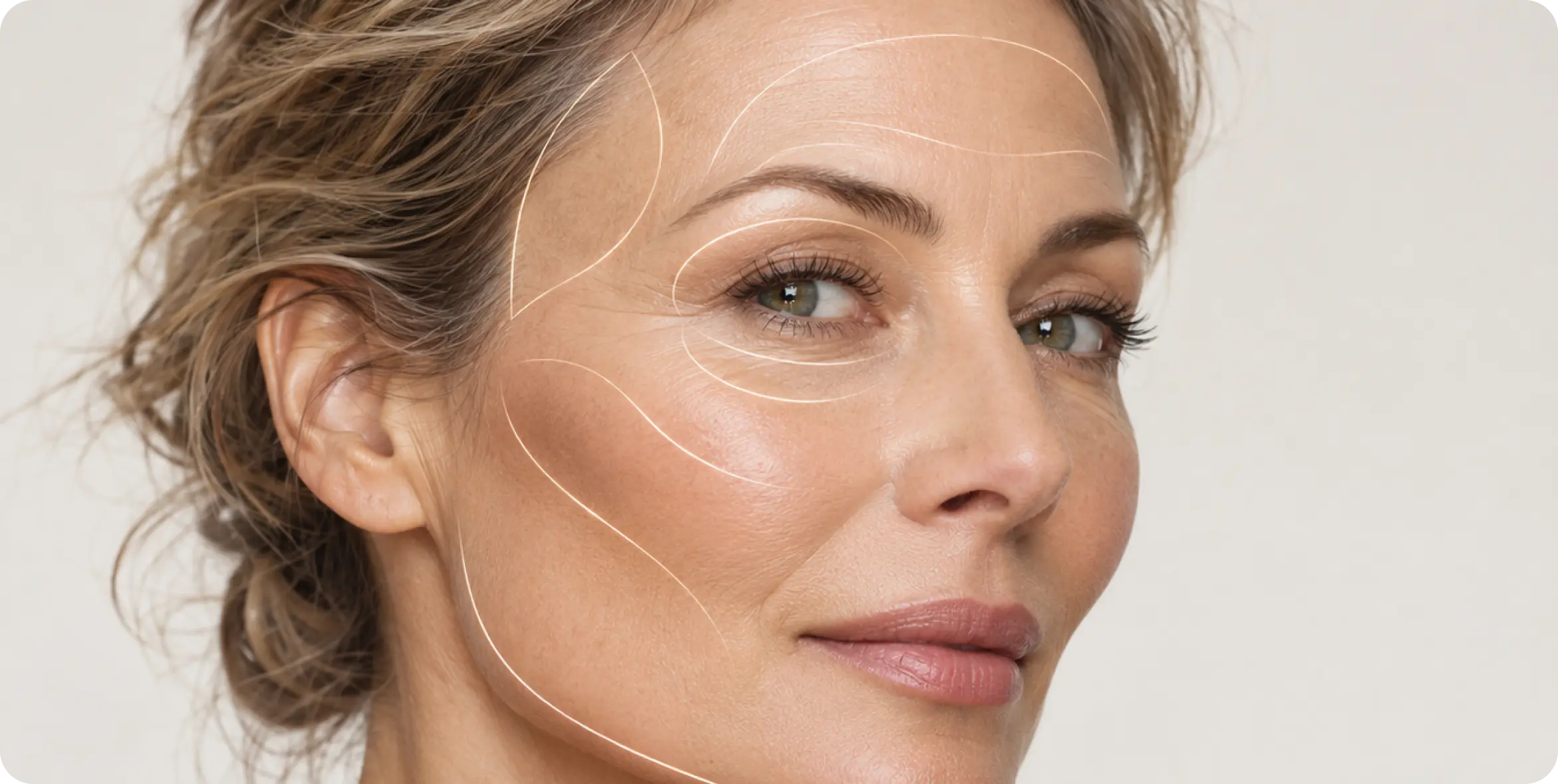
Hollow temples are the indentations that can appear at the sides of the forehead, between the outer eyebrow, hairline, and upper cheekbone. Temple hollowing can make the upper face look narrower, more angular, or more tired—even when your skin is smooth and your cheeks still have volume. This area is easy to overlook. People often […]
Author:MINDBODYFACE
 8
8 0
0

LIP LINES AND SMOKER’S LINES: CAUSES AND NATURAL WAYS TO SOFTEN THEM
Lip lines are the fine vertical creases that appear on and above the upper lip. They are often called smoker’s lines, but smoking is only one possible cause. Sun exposure, natural skin aging, repeated mouth movements, dryness, genetics, and changes in the tissues around the mouth can all make vertical lip lines more visible. These […]
Author:MINDBODYFACE
60
FACIAL REJUVENATION AFTER 45: PROCEDURES THAT MAY NOT BE WORTH IT
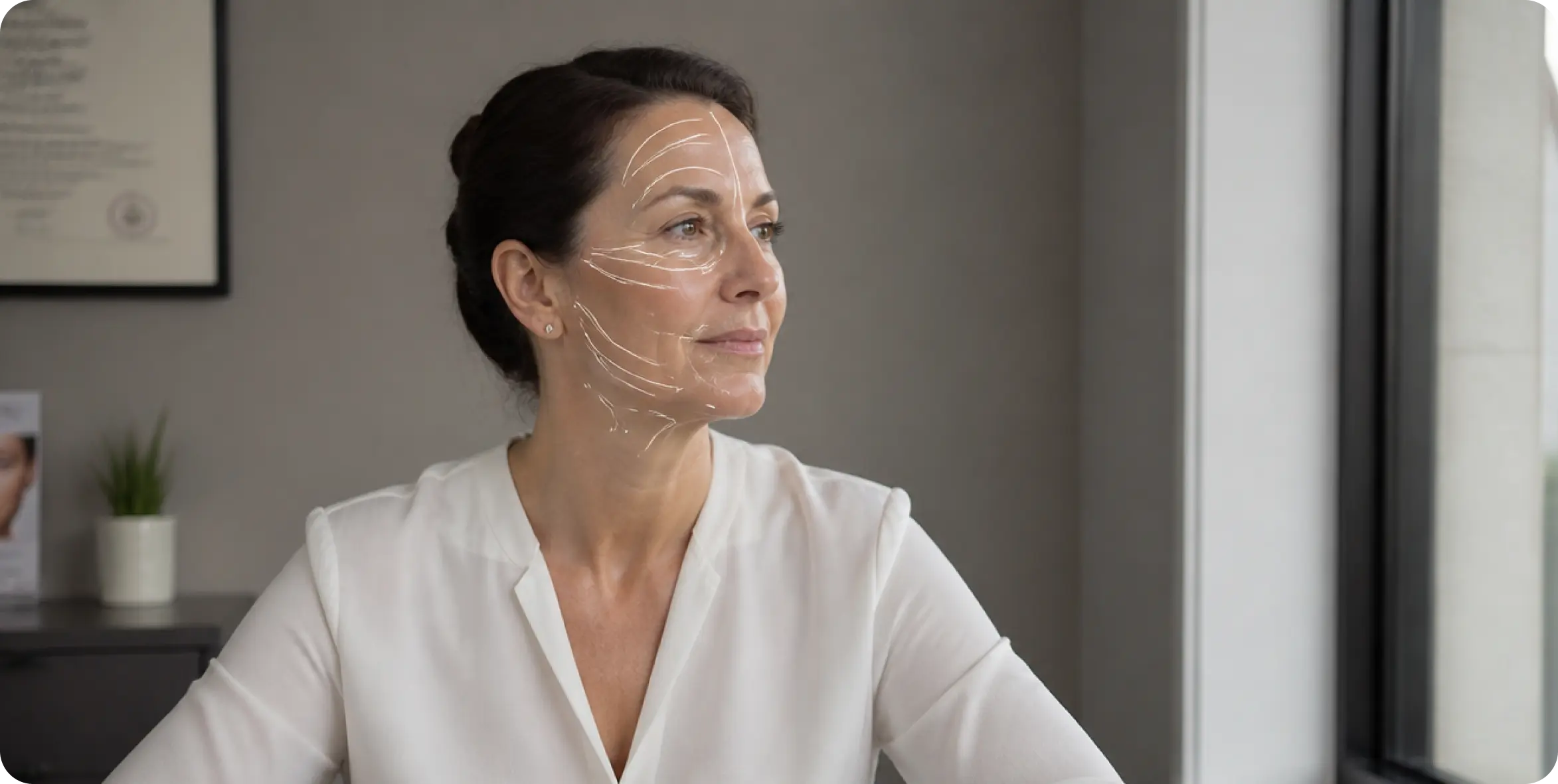
Facial rejuvenation after 45 works best when the treatment matches the actual change you want to address. The useful question is not which option is “best,” but whether a procedure can deliver enough benefit to justify its cost, recovery, maintenance, and possible complications. Many facial rejuvenation procedures after 45 are marketed as universal solutions. Yet […]
Author:MINDBODYFACE
170
ENHANCING THE NATURAL BEAUTY OF THE LIPS WITHOUT AUGMENTATION
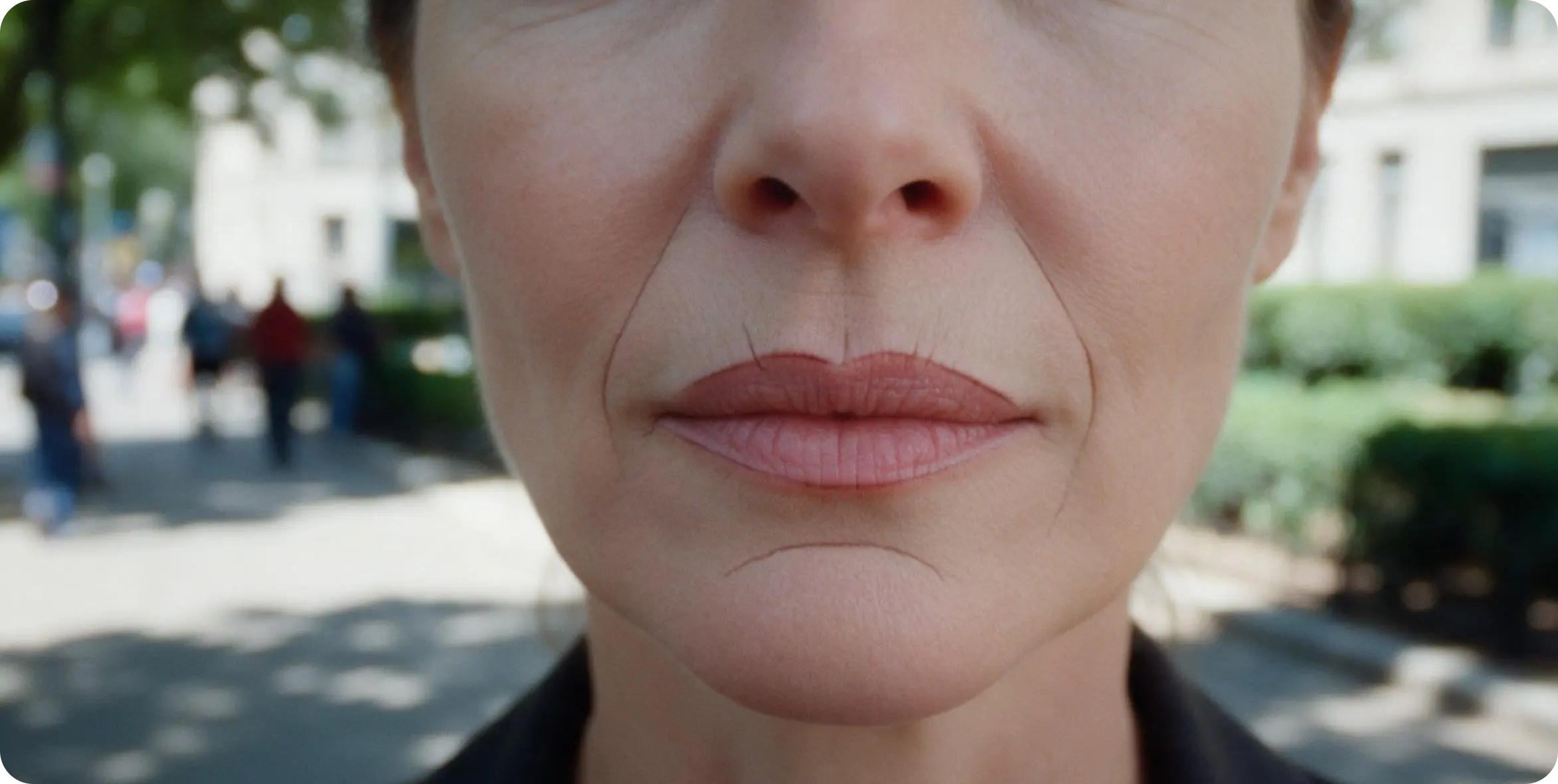
Natural lip enhancement will not give you a new mouth. It can help your existing lips look smoother, healthier, more defined, and less compressed – without fillers, injections, or harsh “plumping” tricks. The visible difference usually comes from simple things: a stronger lip barrier, daily UV protection, less dryness, a relaxed jaw, and skin around […]
Author:MINDBODYFACE
130


MINDBODYFACE LLC
1021 E Lincolnway Suite 8342, Cheyenne, WY 82001
+16282892382
All services and information on this website are for educational purposes only and do not constitute medical advice or treatment -