
Nov 11, 2026
•9 minutes read
•Author: MINDBODYFACE
FACIAL VOLUME LOSS AFTER WEIGHT LOSS: WHY THE FACE CAN LOOK OLDER AND HOW TO SUPPORT IT NATURALLY

Face volume loss after weight loss can make the cheeks, temples, and eye area look less full. For some people, the change feels welcome: facial contours become clearer, and puffiness decreases. For others, deeper shadows, more visible folds, or loose skin create an unexpectedly tired appearance.
If your face looks older after weight loss, it does not mean losing weight was a mistake. Facial appearance and health benefits are different outcomes. A change that supports your medical health can also leave you adjusting to a face that looks unfamiliar.
Understanding how to support face after weight loss naturally starts with separating what home care can improve from what it cannot replace. Skin protection, adequate nutrition, and comfortable movement habits are worthwhile. They cannot reliably rebuild lost facial fat.
WHY DOES FACIAL VOLUME LOSS OCCUR AFTER WEIGHT LOSS?
Facial fullness can decrease during weight loss because the face contains fat compartments that contribute to its shape and soft-tissue support. When these compartments lose volume, the contours beneath them become more visible.
Facial fat loss after weight loss does not follow an identical pattern in everyone. Some people notice flatter cheeks first. Others see changes at the temples, under the eyes, or around the mouth. Starting facial anatomy, age, genetics, total weight change, and skin quality all influence the result.
Research on substantial weight loss describes loss of midface fullness, deeper nasolabial folds, and increased lower-face or neck laxity. However, much of this evidence comes from people who have undergone major weight reduction, often after bariatric treatment. It should not be assumed that modest weight loss produces the same changes.
The amount and pace of weight loss may also matter. Rapid weight loss face changes can feel particularly striking because the appearance changes over a short period. Still, research has not established a precise rate that protects facial fullness.

Facial volume loss causes are broader than dieting alone. Natural aging, recent illness, nutritional problems, and previous procedures may contribute. If the change seems disproportionate to your weight loss, avoid assuming that every new hollow has the same explanation.
COMMON FACIAL CHANGES AFTER LOSING WEIGHT
A sunken face after weight loss usually reflects changes in facial fullness, shadows, and tissue support rather than the face suddenly becoming unhealthy. The visible result varies considerably between individuals.
Common changes can include:
- Hollow cheeks after weight loss, particularly beneath the cheekbones
- More prominent temples or hollows around the eyes
- Deeper folds between the nose and mouth
- A sharper-looking jaw or more visible bony contours
- Loose facial skin after weight loss around the cheeks, jawline, or neck
- Lower-face folds that become more noticeable as fullness decreases
A gaunt face after weight loss is a description, not a medical diagnosis. It may reflect a naturally lean facial shape becoming more apparent. In another person, similar-looking changes may accompany inadequate intake or illness. Context matters more than the label.
Face sagging after weight loss can also coexist with hollowing. The upper cheek may look flatter while skin near the jaw appears heavier. This is not necessarily new fat accumulating below: a less supported skin envelope can create a different distribution of folds and shadows.

Reviews identify mid-cheek volume reduction and excess skin beneath the chin among the changes reported after massive weight loss. They also emphasize the need for better quantitative research. These findings describe possible patterns, not an inevitable outcome for every person losing weight.
WHY THE FACE CAN LOOK OLDER AFTER WEIGHT LOSS
The face looks older after weight loss in some people because reduced fullness makes existing lines, hollows, and skin laxity easier to see. Weight loss may reveal changes that were previously softened by facial fat.
Skin does not behave like a perfectly elastic covering. Its ability to adapt depends partly on age, previous stretching, sun exposure, smoking, and the condition of its collagen and elastic fibers.
A small study examining skin after massive weight loss found thinner collagen fibers, lower collagen density in parts of the dermis, and damage to the elastic-fiber network. The samples were taken during body-contouring procedures, so these findings cannot directly predict changes in facial skin. They do help explain why skin does not always retract fully after large weight changes.
The “weight loss aging face” effect is therefore about perceived age, not proof that every tissue has suddenly aged faster. Flatter cheeks can deepen the apparent transition under the eyes. More visible folds can change how tired the mouth looks. Neck laxity may make the lower face seem heavier.
Face volume loss after weight loss can also overlap with menopause or other age-related changes. That makes it difficult to attribute everything to the diet or medication used. A recent review of medication-associated weight loss notes that these facial changes overlap with those seen after other forms of rapid or substantial weight loss, and treatment evidence remains preliminary.
HOW TO PREVENT OR MINIMIZE FACIAL AGING DURING WEIGHT LOSS
How to prevent facial aging while losing weight has no guaranteed answer: you cannot choose where your body loses fat. You can, however, avoid unnecessary nutritional restriction and support a sustainable plan.
The CDC recommends a gradual, steady pace of about one to two pounds per week for many adults because it is associated with better weight maintenance. That guidance is not a proven facial-volume preservation strategy, and medically supervised plans may follow different trajectories.
Useful habits include:
- Follow an individualized weight-management plan rather than a crash diet
- Include adequate protein and a varied range of foods
- Avoid cutting out entire food groups without a medical reason
- Maintain regular physical activity, including suitable resistance exercise
- Get enough sleep and address persistent sleep disruption
- Drink regularly, especially during illness, heat, or increased activity
- Discuss poor appetite, vomiting, or difficulty meeting nutritional needs with your clinician
Rapid weight loss face changes should be discussed without fear-based messaging. Do not stop prescribed medication or abandon medically indicated treatment because of appearance concerns. Ask the treating professional whether your weight trajectory, intake, and symptoms need review.
One limitation is worth remembering: the total amount of weight lost may matter as much as speed. A slower plan cannot promise that the cheeks will retain their previous fullness.
Understanding facial volume loss causes also means looking beyond the scale. New fatigue, weakness, hair changes, or difficulty eating are reasons to review your nutrition and health rather than simply buy a “volumizing” product.
HOW TO SUPPORT FACIAL VOLUME AFTER WEIGHT LOSS NATURALLY
How to restore face volume after weight loss is a different question from how to improve skin comfort and appearance. Natural care can support the latter; it cannot reliably replace fat that has been lost.
Start with a stable foundation. Once your medically appropriate weight goal is reached, discuss maintenance rather than repeated cycles of restrictive dieting and regain. Avoid deliberately gaining weight solely to change one facial area without considering your wider health.
Skincare can help the surface look less dry and rough. A gentle cleanser and moisturizer are reasonable basics. For daytime protection, dermatologists recommend broad-spectrum, water-resistant sunscreen with SPF 30 or higher. Sun protection helps reduce premature skin aging, including wrinkles and sagging.
Hydration deserves realistic expectations too. Correcting dehydration may improve a temporarily depleted appearance, but drinking extra water does not selectively replenish facial fat loss after weight loss.

If you are exploring how to support face after weight loss naturally, consider:
- Adequate meals and an individualized nutrition plan
- Consistent sun protection
- Moisturizer suited to your skin
- Comfortable sleep and recovery habits
- Avoiding smoking and harsh skincare
- Gentle self-care that does not irritate or stretch the face
There is no need to treat every hollow as damage. Some facial definition may simply be your new contour. Give yourself space to adjust before making decisions based on a single photograph.
FACIAL MASSAGE, FACE TRAINING, AND SKIN CARE AFTER WEIGHT LOSS
Facial massage and exercises may fit a relaxation routine, but they are not established methods of restoring lost fat or correcting significant loose facial skin after weight loss.
Massage should be comfortable and light. With clean hands and a little moisturizer, use small movements around the temples, cheeks, and jaw. Avoid forceful pulling, pinching, suction devices, or tools that leave the skin sore.
The most realistic role is a pleasant self-care pause and awareness of where you hold tension. A temporary change in redness, shine, expression, or puffiness should not be mistaken for lasting volume restoration.
Facial training requires similar caution. Reviews of cosmetic facial exercises have found limited evidence and methodological weaknesses. They do not establish that exercise rebuilds facial fat after weight loss.
If you enjoy movement practice, keep it small and comfortable:
- Let your teeth separate and release habitual jaw clenching.
- Make a gentle smile without pulling hard through the lips or neck.
- Release fully between movements rather than holding constant tension.
- Stop if you develop pain, jaw clicking, headaches, or skin irritation.
When searching for how to restore face volume after weight loss, avoid confusing muscle contraction with added fullness. A more active expression can change a photograph without replacing structural support.
A useful way to approach how to support face after weight loss naturally is to choose practices you enjoy while keeping their purpose clear. Comfort, skincare, and movement awareness are worthwhile without a promise of “lifting.”
WHEN TO SEEK PROFESSIONAL ADVICE ABOUT FACIAL VOLUME LOSS
A sunken face after weight loss warrants medical advice when the weight change was unintentional, unusually rapid, or accompanied by other symptoms. Persistent fatigue, difficulty eating, ongoing digestive symptoms, or new facial pain should not be treated as cosmetic concerns alone.
A clinician can review facial volume loss causes in the context of your medication, medical history, eating pattern, weight trajectory, and general health. Nutritional assessment may be appropriate, particularly after bariatric surgery or when intake is difficult.
For stable appearance concerns, a dermatologist or appropriately qualified facial specialist can distinguish volume loss from skin laxity, pigment changes, and other issues. Depending on the cause, options may include skincare, monitoring, or discussion of medical and aesthetic treatments.
Fillers and fat grafting can add volume; surgery may address selected cases of substantial face sagging after weight loss. These options have different risks and limitations. Recent evidence does not establish one validated treatment algorithm for medication-associated facial changes.
For a structured home-care option, MindBodyFace’s Faceplastica Rejuvenation Method includes guided practices for the face, neck, posture, breathing, and self-massage. Its practical benefit is a clear sequence for regular self-care.
Recommended programs

Women's Body Secrets
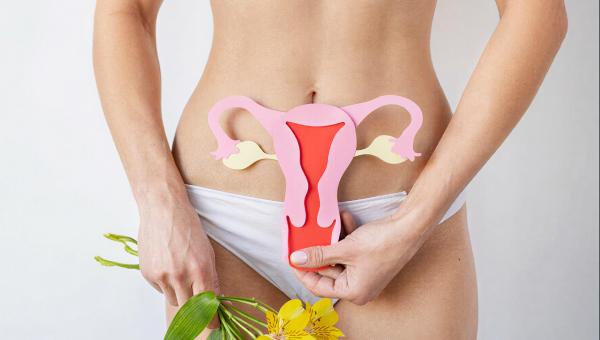
A comprehensive course for women's body health. You work with the core, the pelvic floor, posture, breathing and the chest area in a 20-day plan of daily practice, with a full routine at the end of…
+ MindBodyFace Club: 7 days free, then $47/month
15-Day Faceplastica® Program
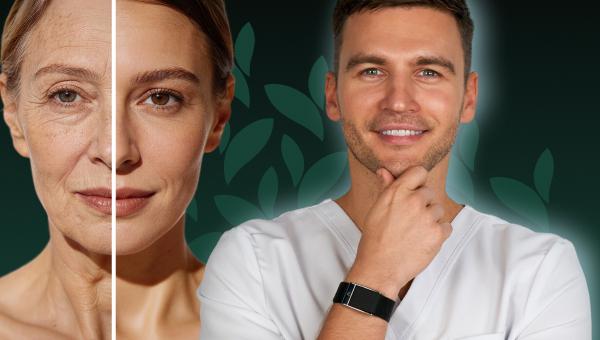
A step-by-step Faceplastica® program for the face and the body that supports it. You work with posture, breathing, the neck, the jaw and the eye and forehead area to help your face look more…
+ MindBodyFace Club: 7 days free, then $47/month

5-Step Facial Lifting
A short Faceplastica® course for a more lifted, relaxed look in five steps. You start with a breathing practice that prepares the body, then work up through the neck, the lower face, the cheekbones…
+ MindBodyFace Club: 7 days free, then $47/month

Face Reset + Taping System
A short course with five expert facial massage techniques for a fresher, more lifted look. You learn how to prepare, how massage affects circulation and how to practice each technique. Who it's for…
+ MindBodyFace Club: 7 days free, then $47/month


MINDBODYFACE LLC
1021 E Lincolnway Suite 8342, Cheyenne, WY 82001
+16282892382
All services and information on this website are for educational purposes only and do not constitute medical advice or treatment -


