May 27, 2026
•7 minutes read
•Author: MINDBODYFACE
COSMETIC HIJAMA: IS IT HARMFUL OR BENEFICIAL FOR YOUTHFULNESS?

You’ve seen the videos. A small silicone cup glides across someone’s cheekbone, the skin lifts slightly, and the after-shot looks fresher than the before. Cosmetic hijama benefits get discussed in beauty circles as if this were a quiet shortcut to younger-looking skin. But is hijama facial treatment actually doing what people claim — or is the “lift” just temporary swelling that fades by lunch?
Facial cupping sits in a strange middle ground. It comes from a centuries-old healing tradition, but the version used on the face today is mostly a circulation-and-lymph technique. That distinction matters more than most articles admit. So let’s look at what cosmetic hijama really does, where the line falls between benefit and risk, and how it stacks up against other natural facial rejuvenation methods.
What is cosmetic hijama (facial cupping therapy)?
Traditional hijama is wet cupping — small incisions, suction, and a small amount of blood drawn from the surface layers of skin. Cosmetic hijama for face is something else entirely. The cups are smaller and softer (usually silicone), the suction is mild, and the cups stay moving across the skin instead of sitting still. No incisions. No blood. No marks, if it’s done correctly.
The mechanism is simple. Gentle suction lifts the skin, separates layers of tissue, and pulls fresh blood toward the surface. That’s it. No magic, no detox in the medical sense — just a localized blood-flow boost and a mechanical lymph push. Most practitioners now also distinguish “dry” facial cupping (suction only) from anything resembling wet hijama, which essentially never happens on the face for safety reasons we’ll get to below.

The roots are old. Cupping shows up in Egyptian, Chinese, and Middle Eastern medical traditions thousands of years back. The hijama for face branch is much newer. It became a wellness trend after Michael Phelps appeared at the 2016 Olympics covered in cup marks, and interest spiked again on social media these last few years. A typical session lasts 10–20 minutes, starts with a cleanse and a layer of facial oil, and follows specific patterns along the jaw, cheekbones, forehead, and neck.
Benefits of hijama for skin and youthfulness
Here’s where it gets interesting. A 2020 study reported that cupping increased local blood vessel density by 64% and elevated hemoglobin concentration by 62% in the treated area. That’s a real, measurable change. It explains why people often see their skin look brighter and more alive right after a session.
The hijama benefits for face most often cited:
- Reduced puffiness. Lymphatic drainage moves stagnant fluid, which is why hijama for skin rejuvenation tends to work visibly well around the eyes and jawline. Morning under-eye bags often soften within one session.
- Better circulation. More blood means more oxygen and nutrients reaching skin cells — and better absorption of whatever you put on after.
- Possible collagen stimulation. Microtrauma from suction triggers an inflammatory response that may activate fibroblasts, the cells that build collagen and elastin. The evidence here is thinner than wellness sites suggest. It’s plausible. It’s not proven.
- Muscle relaxation. If you clench your jaw without realizing (most of us do), facial cupping releases that tension. Softer expression lines, less tense face.
- Cupping therapy for wrinkles — small studies and a lot of anecdote say fine lines soften with regular use. Deeper static lines? Less likely.
The honest version: facial cupping benefits are real but modest, and most are about appearance, not structural change. Your skin will look fresher. Your face won’t be permanently “lifted” the way it would be after consistent work with the underlying tissues.
Potential risks and side effects
This is the part most beauty articles skip. Hijama side effects exist, and some are more serious than a temporary mark.
The mild ones, which clear within a few days:
- Redness and slight swelling
- Temporary cup-shaped bruising if suction is too strong or the cup stops moving
- Skin sensitivity for 24–48 hours
The ones that should make you pause. According to the National Center for Complementary and Integrative Health, cupping can cause persistent skin discoloration, scars, burns, and infections, and may worsen eczema or psoriasis. If your skin is reactive — rosacea, active acne, very thin or fragile — facial cupping pros and cons tip toward “skip it.”
There’s a harder warning. Wet cupping should never be performed on the face. Multiple clinical sources state this directly: the risk of injury to the eyes and surrounding structures is too high, and any incision in facial skin is a scarring and infection risk not worth taking. If a practitioner suggests wet hijama on your face, walk out.
A 2025 case report in Forensic Science International documented a sudden cardiac death following improperly performed wet cupping by an unlicensed practitioner. That’s a body-cupping case, not a face one — but it makes the larger point. Hijama therapy for skin is only as safe as the person doing it.
Hijama safety and risks also include contraindications: blood thinners, clotting disorders, pregnancy in most protocols, recent injectables, and any acute skin condition in the treatment area. If you’ve had filler in the last three months, cupping over the area can shift product placement.
How cosmetic hijama compares to other anti-aging methods
Among alternative anti-aging methods, where does facial cupping actually sit?
Compared to injections (botox, fillers): cupping is non-invasive, has no downtime, and won’t change your face — but it also won’t smooth a deep wrinkle in 20 minutes. Different category, different result.
Compared to topical skincare: cupping helps the skin absorb products applied after. They complement each other. Neither replaces the other.
Compared to gua sha and facial massage: very similar effect — circulation, lymph, slight muscle release. Gua sha is gentler and easier to do at home; cupping is a bit more dramatic in immediate visible result.
Compared to deeper bodywork on the face — work with fascia, the bones of the skull, jaw alignment, the cervical spine — cupping stays on the surface. It moves blood and lymph in the dermis. It does not address the structural reasons a face starts to look heavier with time: tight fascia, restricted cranial movement, a tense neck that pulls everything down.

This is the part that surprises people. The face you see in the mirror is held up not by skin tone but by the architecture underneath — and most “drooping” starts there, not in the skin.
Guidelines for safe and effective facial hijama
If you want to try it, the basics:
- Find someone trained. A licensed esthetician or therapist with specific facial cupping experience. Ask how long they’ve been doing it. Ask if they’ve worked on skin like yours.
- Mild suction only. Strong suction on facial skin breaks capillaries. Cups should glide, never stop.
- Avoid the eye area. Specifically the bony orbit around the eye and the eyelids themselves.
- Frequency: 1–3 times a week for healthy skin. Sensitive skin: once a week, maximum.
- Aftercare matters. No retinol, AHA, BHA, or strong actives for 24–48 hours. SPF the next day. No saunas, hot yoga, or heavy makeup right after.
- Stop if it stings. Tingling is normal. Pain or burning is not.

One more note. If you combine cupping with a structured face program, time it carefully. Cupping right before deeper fascial or osteopathic work can leave the skin too sensitive. After is usually better.
Where facial cupping fits — and what it can’t replace
Cosmetic hijama is a useful surface tool. For brightness, puffiness, and short-term lift, it earns its place. As a complete answer to facial aging — it isn’t one. The structural work belongs deeper.If you’re looking for hijama facial treatment results that actually hold, you’ll get further by combining cupping with work on the layer below the skin — the fascia, the cranial bones, the connection between neck tension and the way your jawline sits. The Faceplastica Rejuvenation Method is a 15-day program built around exactly that. Twenty minutes a day, no needles, no salons, and the changes start showing in the first week. You can begin with the first practice and see what shifts by day seven.
HOLLOW TEMPLES: WHY TEMPLES LOSE VOLUME AND HOW FACIAL AGING CHANGES THIS AREA
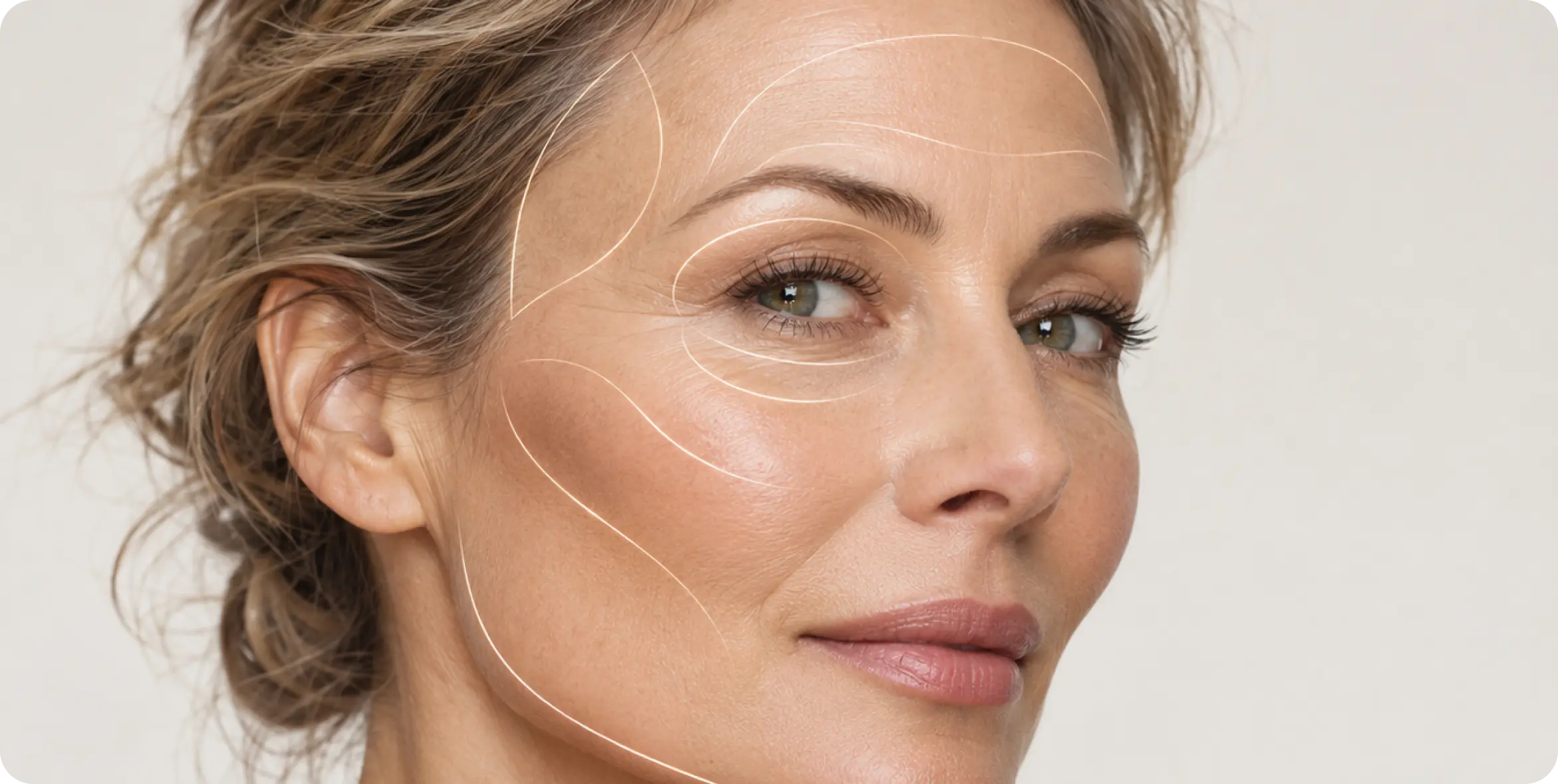
Hollow temples are the indentations that can appear at the sides of the forehead, between the outer eyebrow, hairline, and upper cheekbone. Temple hollowing can make the upper face look narrower, more angular, or more tired—even when your skin is smooth and your cheeks still have volume. This area is easy to overlook. People often […]
Author:MINDBODYFACE
 8
8 0
0
LIP LINES AND SMOKER’S LINES: CAUSES AND NATURAL WAYS TO SOFTEN THEM
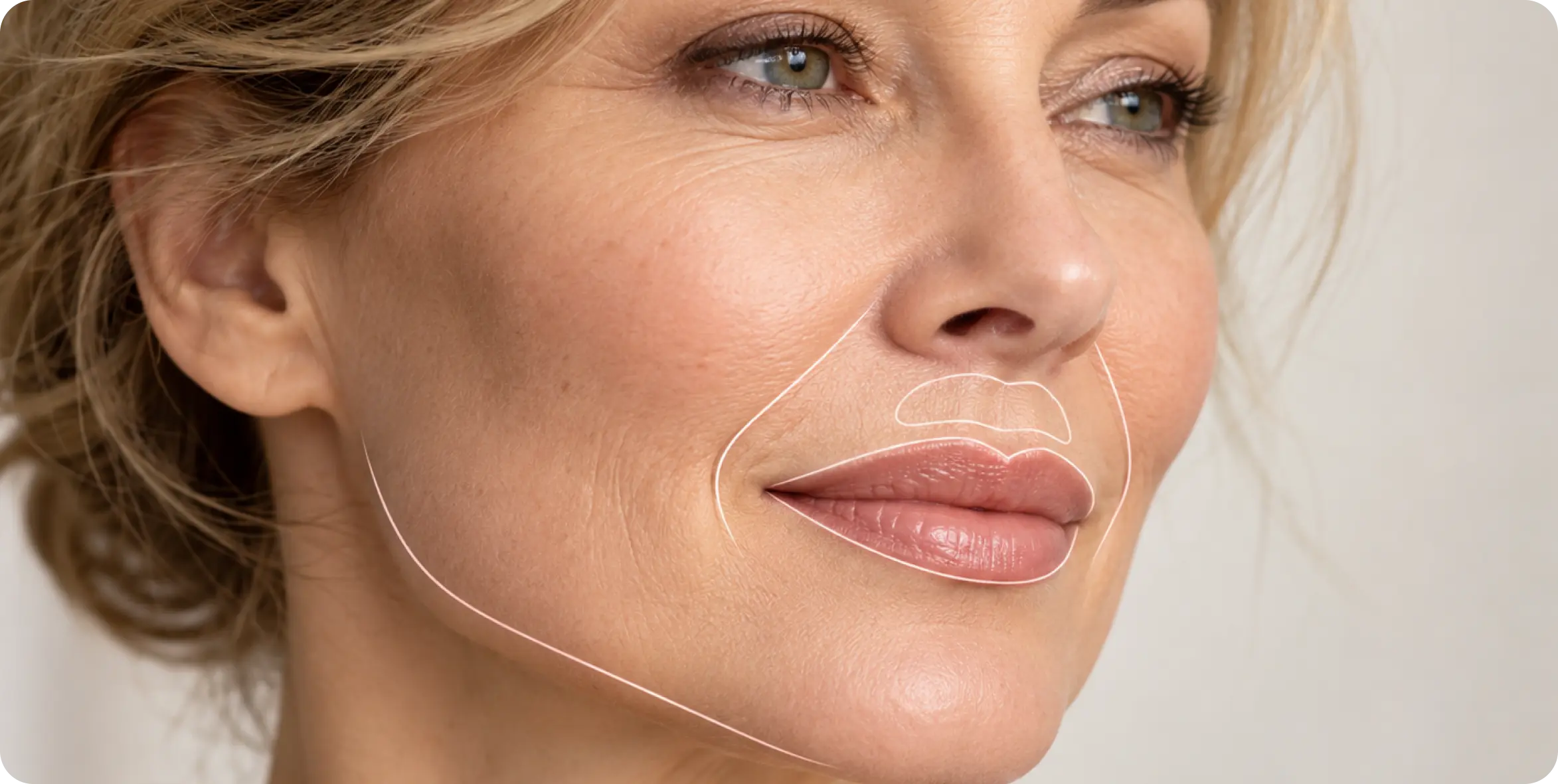
Lip lines are the fine vertical creases that appear on and above the upper lip. They are often called smoker’s lines, but smoking is only one possible cause. Sun exposure, natural skin aging, repeated mouth movements, dryness, genetics, and changes in the tissues around the mouth can all make vertical lip lines more visible. These […]
Author:MINDBODYFACE
60
FACIAL REJUVENATION AFTER 45: PROCEDURES THAT MAY NOT BE WORTH IT
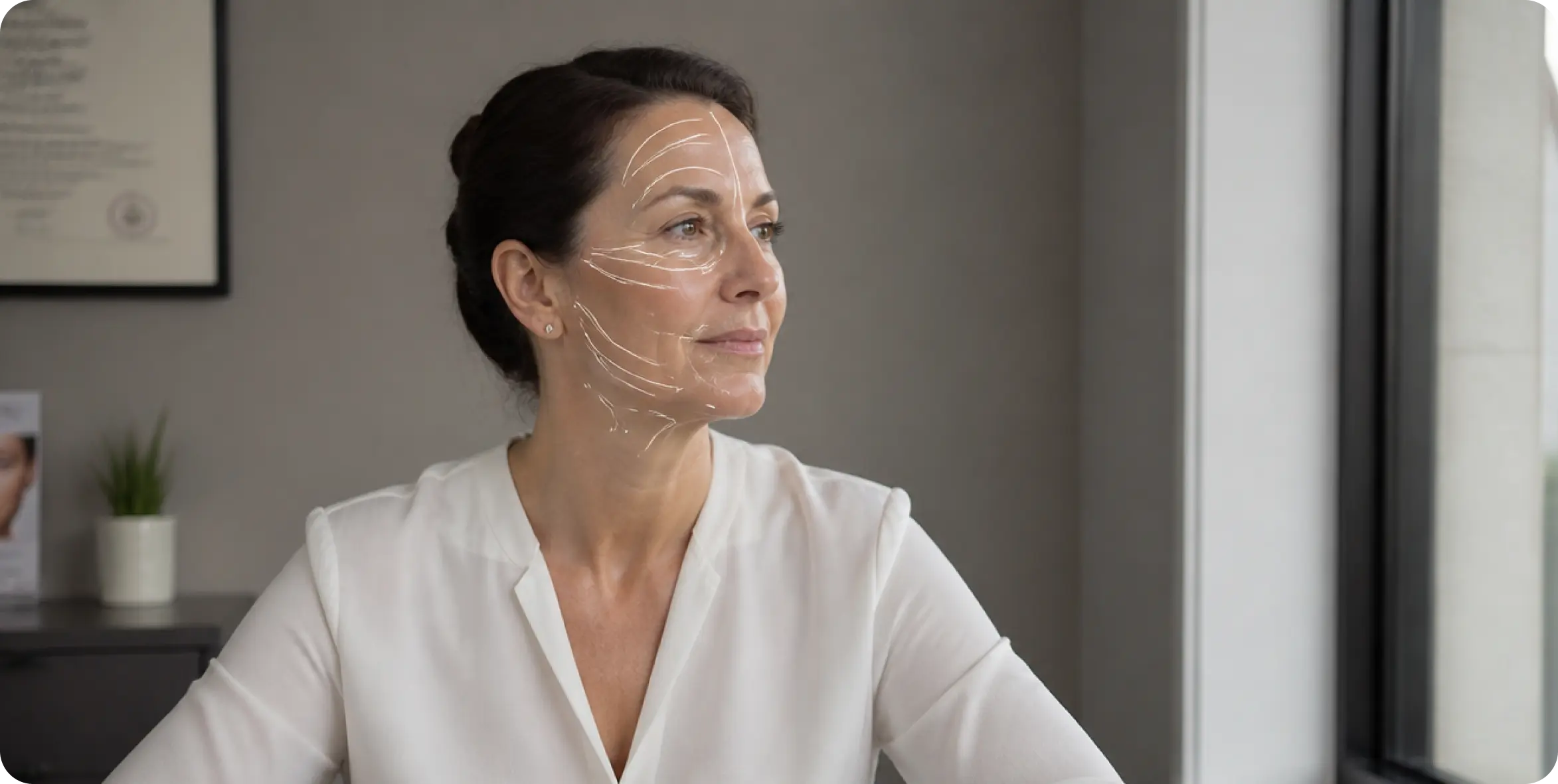
Facial rejuvenation after 45 works best when the treatment matches the actual change you want to address. The useful question is not which option is “best,” but whether a procedure can deliver enough benefit to justify its cost, recovery, maintenance, and possible complications. Many facial rejuvenation procedures after 45 are marketed as universal solutions. Yet […]
Author:MINDBODYFACE
170
ENHANCING THE NATURAL BEAUTY OF THE LIPS WITHOUT AUGMENTATION
Natural lip enhancement will not give you a new mouth. It can help your existing lips look smoother, healthier, more defined, and less compressed – without fillers, injections, or harsh “plumping” tricks. The visible difference usually comes from simple things: a stronger lip barrier, daily UV protection, less dryness, a relaxed jaw, and skin around […]
Author:MINDBODYFACE
130


MINDBODYFACE LLC
1021 E Lincolnway Suite 8342, Cheyenne, WY 82001
+16282892382
All services and information on this website are for educational purposes only and do not constitute medical advice or treatment -